Asia · Politics
Taiwan Throttles Mobile Networks During War Games for the First Time
The island's annual Han Kuang military drills now include simulated communication disruptions to test civilian and defense readiness under potential invasion scenarios
KEY TAKEAWAYS
- ·Taiwan deliberately throttled mobile internet speeds during this year's Han Kuang military exercises, the first time civilian networks were disrupted as part of annual defense drills.
- ·The measure tests how critical services and civilian coordination would function under wartime communication degradation, with speeds reduced to early 3G levels during specific drill windows.
- ·The exercise reflects a broader regional shift toward preparing digital infrastructure for conflict scenarios, with outcomes expected to inform investments in satellite and mesh network redundancies.
A New Layer of Realism
Taiwan's military introduced a previously untested element to its annual defense exercises this week: intentional degradation of civilian mobile internet services. The measure, implemented during the Han Kuang drills that began Monday, represents the first time Taipei has simulated communication disruptions at scale to gauge how the island would function under wartime conditions.
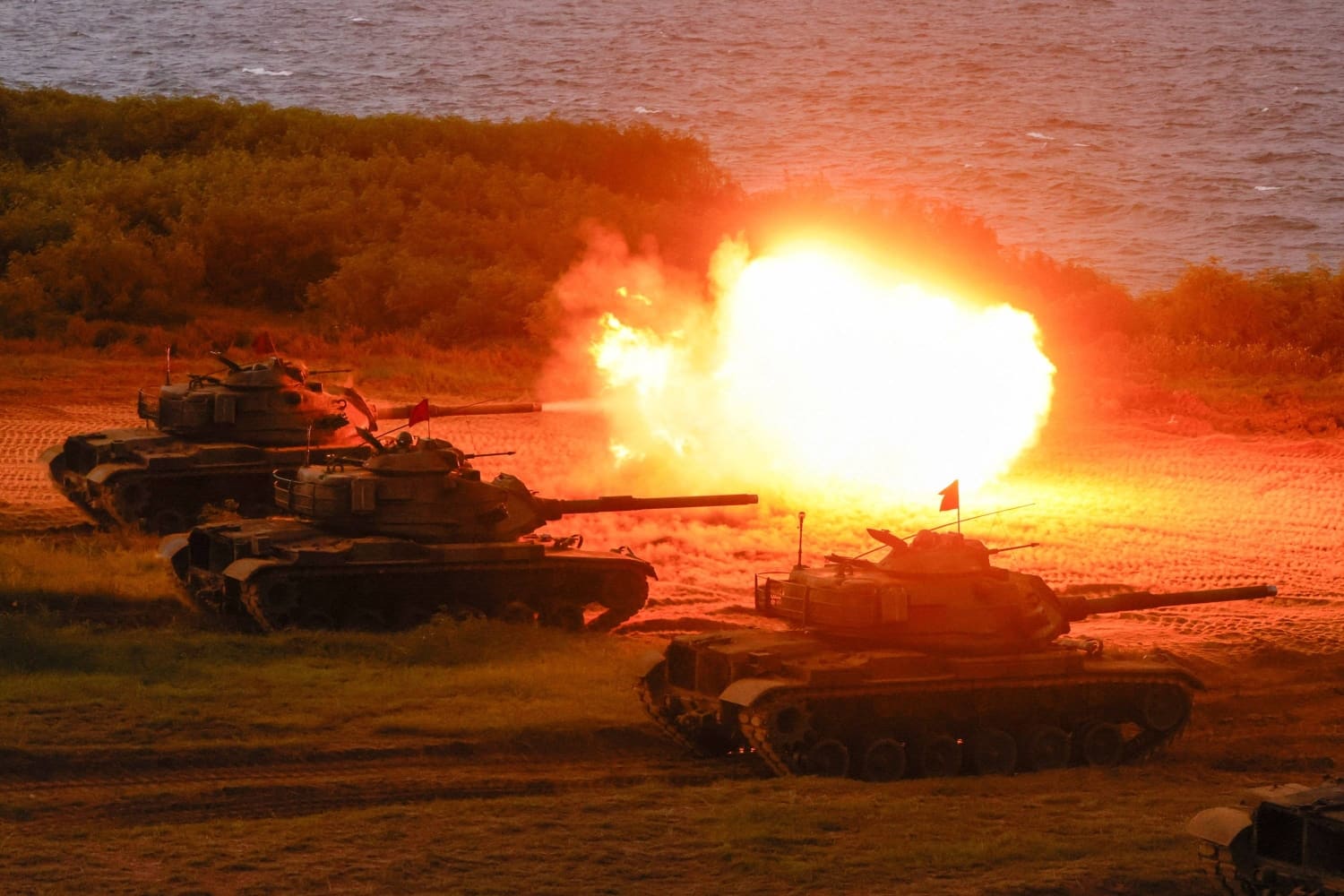
The throttling affected mobile data speeds across multiple networks during specific drill windows, according to Taiwan's defense ministry. The exercise included live-fire demonstrations in Penghu, where M60A3 tanks and other hardware participated in scenarios designed to repel an amphibious assault.
Testing the Civilian Front
The communication element reflects a shift in how Taiwan conceptualizes modern defense. Rather than treating connectivity as untouchable infrastructure, military planners now view it as a potential vulnerability that adversaries could exploit or that might fail under the strain of conflict.
Mobile networks in Taiwan serve more than 29 million subscriptions across a population of 23 million, making them critical arteries for everything from payment systems to emergency coordination. By throttling speeds deliberately, defense officials aim to identify which services collapse first and where backup systems need reinforcement.
The drills did not involve a complete blackout. Instead, speeds were reduced to levels comparable to early 3G networks, forcing users to experience the kind of latency that might occur if undersea cables were severed or if electronic warfare targeted cellular towers.
Regional Context
Taiwan's move comes as militaries across Asia recalibrate for scenarios where digital infrastructure becomes a contested domain. South Korea has run similar exercises since 2019, simulating GPS jamming and network disruptions near the demilitarized zone. Singapore's annual Total Defence Day now includes modules on functioning without internet access for extended periods.
The Han Kuang exercises, held annually since 1984, have evolved from scripted demonstrations into more realistic stress tests. Previous editions have included unannounced mobilizations, simulated evacuations of government facilities, and integration of reserve forces into active-duty units within hours.
This year's iteration places particular emphasis on resilience. Beyond the communication throttling, scenarios included coordinated cyberattacks on port logistics systems and simulated strikes on power substations. The goal is to train not just the military but the entire society to maintain function when systems degrade.
What Civilian Throttling Reveals
The decision to involve civilian networks marks a departure from earlier exercises that kept disruptions confined to military channels. It acknowledges that modern conflict does not respect such boundaries. If an adversary sought to paralyze Taiwan, cutting off mobile internet would be an early objective, sowing confusion and hampering coordination among both defenders and the general population.
The throttling also tests public tolerance. Taiwan's population is among the most connected in Asia, with average daily mobile data consumption exceeding 20 gigabytes per user. Even temporary slowdowns trigger complaints under normal circumstances. Gauging public reaction during drills helps officials anticipate how civilians might behave under real duress.
Penghu, where the live-fire component took place, sits in the Taiwan Strait roughly halfway between the main island and the Chinese coast. Its strategic position makes it a likely flashpoint in any cross-strait conflict, and its inclusion in the exercises underscores the importance of defending outlying territories that could serve as stepping stones for an invasion force.
Implications for Defense Posture
Incorporating communication degradation into Han Kuang drills signals that Taiwan's defense establishment is preparing for a conflict that extends beyond kinetic exchanges. Modern warfare increasingly involves hybrid tactics, where infrastructure disruption, disinformation, and cyberattacks precede or accompany conventional military action.
The exercise outcomes will likely inform future investments in redundant communication systems, including satellite links and mesh networks that can operate independently of centralized infrastructure. Taiwan has already begun deploying low-earth-orbit terminals in remote areas, and the military is exploring options for maintaining command-and-control functions even if terrestrial networks fail.
For regional observers, the throttling experiment offers a case study in how a small, technologically advanced territory can test its vulnerabilities without waiting for a crisis to expose them. The data gathered during these drills will shape not only Taiwan's defense planning but also its approach to civilian preparedness, an area where the island has made significant strides in recent years.
RELATED STORIES
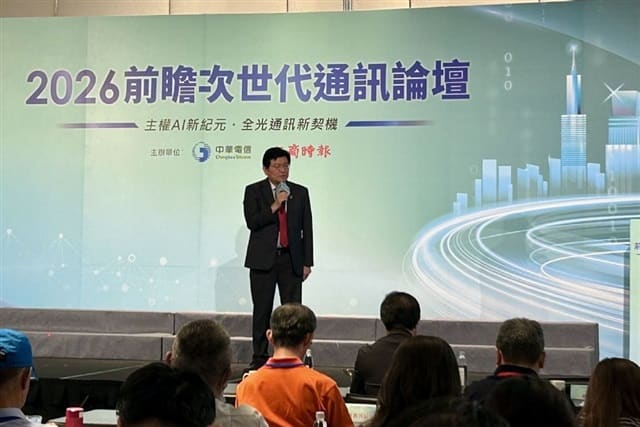
Chunghwa Telecom Accelerates Satellite and Subsea Cable Rollout Amid Taiwan Infrastructure Push
Cheng Wei-Lun · 4 min
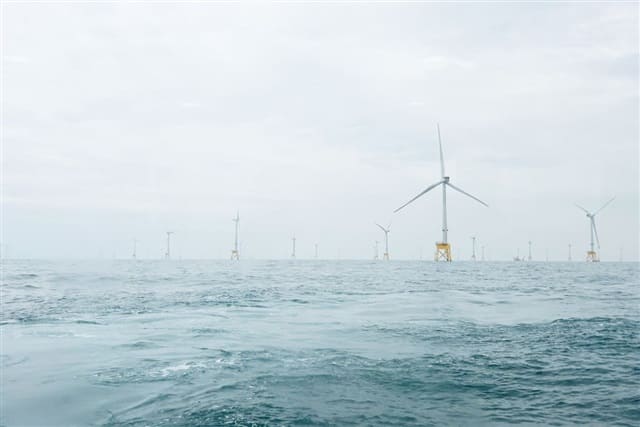
Taiwan's Offshore Wind Pipeline Stalls as Tender Failures Threaten Supply Chain
Cheng Wei-Lun · 3 min
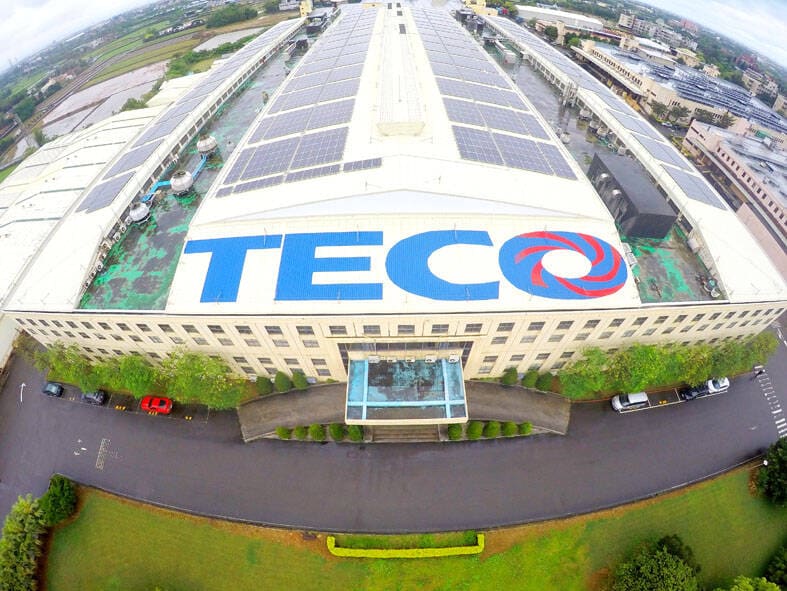
Taiwan's TECO Secures Major Renewable Energy Deal with Semiconductor Buyer
Cheng Wei-Lun · 3 min
Taiwan Chipmaker Winbond Plans Major DRAM Plant as AI Drives Memory Shortage
Cheng Wei-Lun · 3 min
Spot something wrong? Email editor@briefasia.com. We log every correction publicly.