Asia · Business
Chunghwa Telecom Accelerates Satellite and Subsea Cable Rollout Amid Taiwan Infrastructure Push
Taiwan's largest telco is deploying dedicated satellite capacity and new subsea links to bolster network resilience as regional tensions and climate risks intensify.
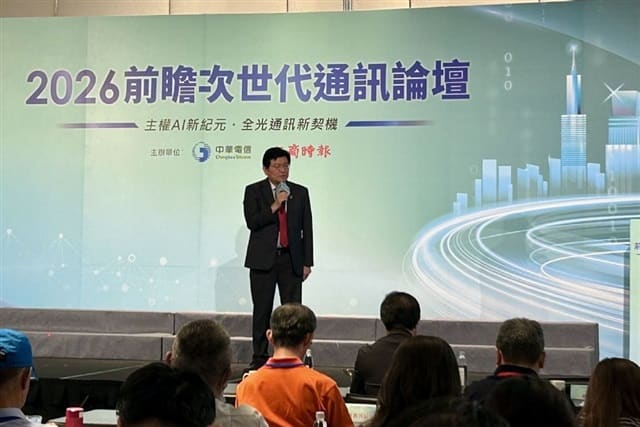
KEY TAKEAWAYS
- ·Chunghwa Telecom will deploy a dedicated Astranis satellite and complete a Matsu subsea cable in September 2026.
- ·The dual rollout addresses network vulnerability in Taiwan's outlying islands and creates backup capacity for emergency and government services.
- ·The investments reflect a regional shift toward redundant infrastructure as geopolitical and climate risks threaten traditional cable and terrestrial routes.
Taiwan's Network Resilience Under Pressure
Chunghwa Telecom is ramping up its infrastructure investments in both orbital and undersea communications systems as Taiwan confronts mounting concerns over network vulnerability. The moves reflect a broader regional pattern: telcos across Asia are diversifying connectivity pathways in response to geopolitical friction and the growing frequency of natural disasters that can sever terrestrial and subsea links.
According to Chunghwa Telecom, the company will launch a dedicated Astranis satellite and complete a new cable connection to Matsu in September 2026. The twin deployments mark the first time Taiwan's dominant carrier has committed to exclusive satellite capacity alongside expanded subsea infrastructure in a coordinated timeline.
Satellite Capacity for Remote and Emergency Coverage
The Astranis satellite will provide dedicated bandwidth for Chunghwa Telecom's operations, supplementing existing terrestrial and mobile networks. Astranis, a California-based manufacturer of small geostationary satellites, has positioned its spacecraft as a cost-effective alternative to traditional large-platform satellites, offering focused regional beams that can serve specific customers or geographies.
Chunghwa Telecom has not disclosed the satellite's orbital slot or beam footprint, but industry observers expect the spacecraft to cover Taiwan and surrounding waters, including offshore islands that have historically relied on fragile microwave and cable links. The deployment aligns with a pattern seen across Southeast Asia and the Pacific, where national carriers are securing low-earth-orbit or geostationary capacity to backstop terrestrial infrastructure.
The satellite is expected to support emergency communications, government services, and connectivity for remote areas where fiber and subsea cable routes remain exposed to typhoons and seismic activity. Taiwan's outlying islands, including Matsu, Kinmen, and the Penghu archipelago, have experienced repeated service disruptions in recent years, prompting calls for redundant systems that can bypass undersea chokepoints.
Matsu Cable to Reduce Dependency on Single Routes
The Matsu cable, scheduled for completion in the same month, will add a new subsea link between Taiwan's main island and the Matsu archipelago, which lies fewer than twenty kilometers from mainland China. Matsu has long been a connectivity flashpoint: its existing cables have been damaged multiple times, most recently in 2023 when two separate incidents left the islands reliant on satellite backup and microwave links for weeks.
Chunghwa Telecom's announcement signals a strategic decision to build parallel infrastructure rather than rely solely on repairs and insurance. The new cable route has not been publicly detailed, but engineering sources suggest it will follow a different seabed path from the existing links to reduce the risk of simultaneous damage from anchors, fishing gear, or natural seabed shifts.
The Matsu cable project has been in planning since early 2025, with Chunghwa Telecom coordinating with Taiwan's National Communications Commission and defense agencies to ensure the route meets both commercial and security requirements. The September target date suggests construction is already underway, with cable-laying vessels likely operating in the Taiwan Strait during the summer weather window.
Regional Context and Redundancy Imperatives
Taiwan's infrastructure push mirrors similar efforts across Asia. In Japan, NTT and KDDI have invested in new Pacific cable routes and low-earth-orbit partnerships following the 2022 Tonga eruption, which severed that nation's sole subsea cable. In the Philippines, PLDT and Globe Telecom have announced backup satellite agreements with Starlink and OneWeb after typhoons repeatedly damaged coastal and island infrastructure.
Singapore, meanwhile, has positioned itself as a neutral cable hub, with new routes to Indonesia, Australia, and India designed to bypass traditional chokepoints in the South China Sea and Strait of Malacca. The city-state's strategy reflects a broader regional awareness that subsea cable geography is increasingly intertwined with geopolitical risk.
For Chunghwa Telecom, the dual investments in satellite and subsea capacity represent a hedge against both natural and human-caused disruptions. The company has not disclosed the total capital commitment, but industry estimates for a dedicated geostationary satellite lease and a short-haul subsea cable typically range from fifty to one hundred fifty million US dollars combined, depending on capacity and route complexity.
Implications for Taiwan's Digital Sovereignty
The September rollout will test whether Taiwan's telco infrastructure can support sustained operations in scenarios where terrestrial and subsea links are compromised simultaneously. Military and civil defense planners have long worried that Taiwan's reliance on a small number of cable landing points and microwave towers creates single points of failure that could be exploited in a crisis.
By adding satellite capacity that operates independently of ground stations on the main island, Chunghwa Telecom is creating an alternative command-and-control layer for critical communications. The Matsu cable, meanwhile, addresses a known weak point in the network, ensuring that outlying populations and military installations maintain connectivity even if primary routes are severed.
The timing of the deployment, in early autumn, avoids the peak typhoon season but precedes the winter monsoon, a narrow operational window that suggests Chunghwa Telecom is prioritizing speed over cost optimization. Whether other regional carriers follow suit with dedicated satellite capacity, or continue to rely on shared commercial services, will shape Asia's telecommunications resilience in the years ahead.
RELATED STORIES
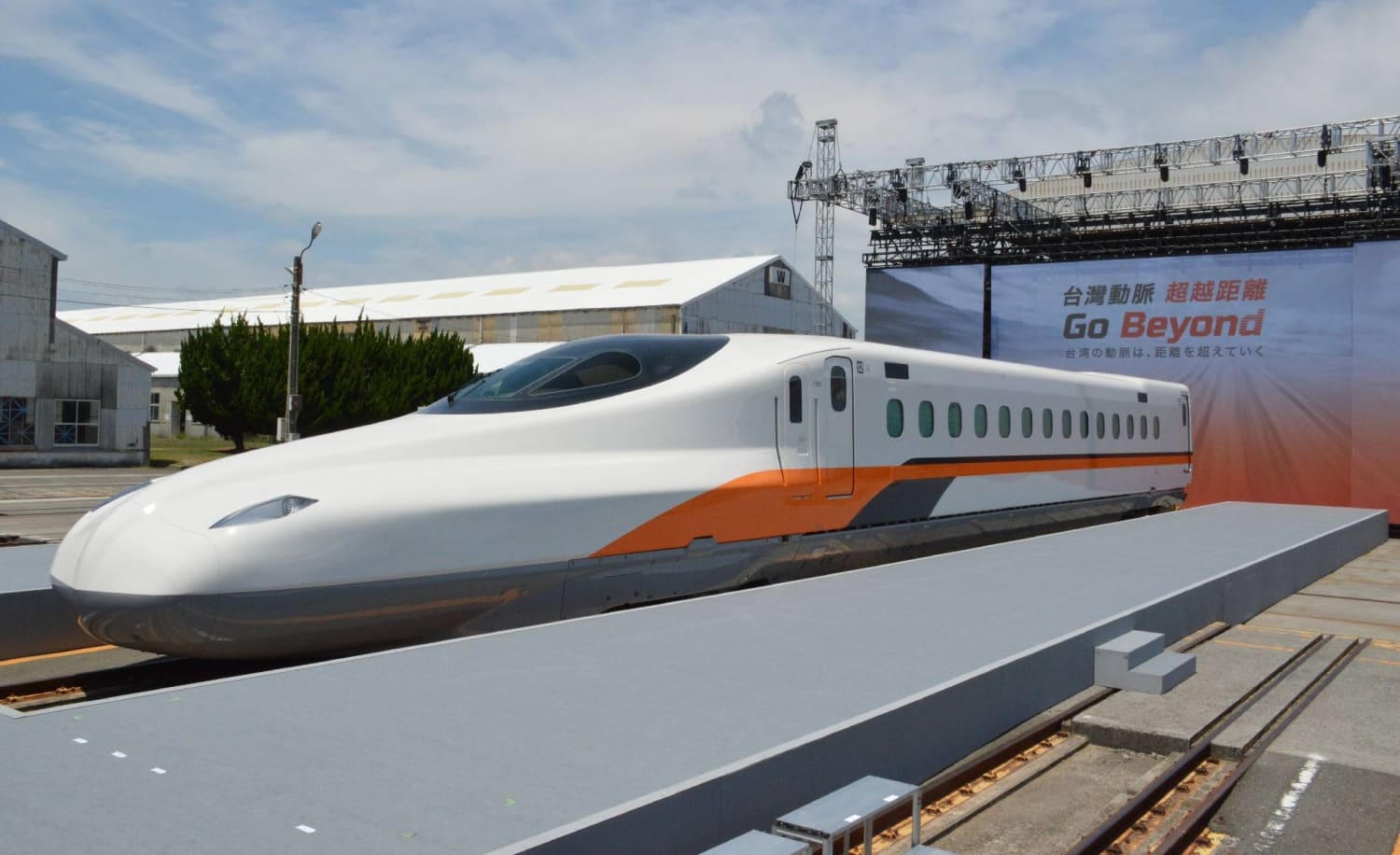
Hitachi and Toshiba Ship First High-Speed Train to Taiwan
Cheng Wei-Lun · 3 min
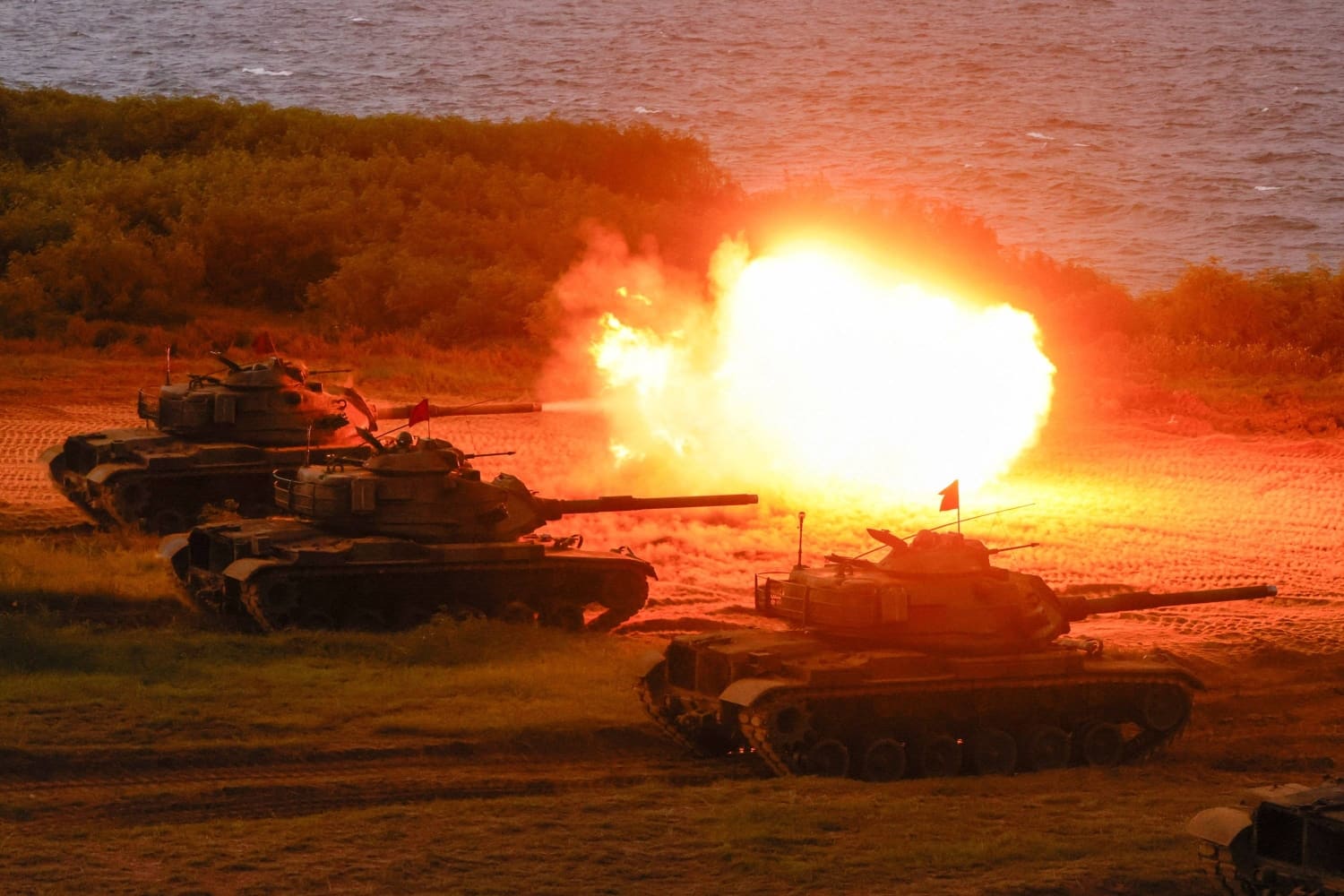
Taiwan Throttles Mobile Networks During War Games for the First Time
Cheng Wei-Lun · 3 min

GlobalFoundries Positions Itself as US Chip Sovereignty Cornerstone Amid Subsidy Push
Cheng Wei-Lun · 4 min

Taiwan, China and the US Race to Lock Down Tech Talent as Security Concerns Rise
Cheng Wei-Lun · 3 min
Spot something wrong? Email editor@briefasia.com. We log every correction publicly.