Asia · Business
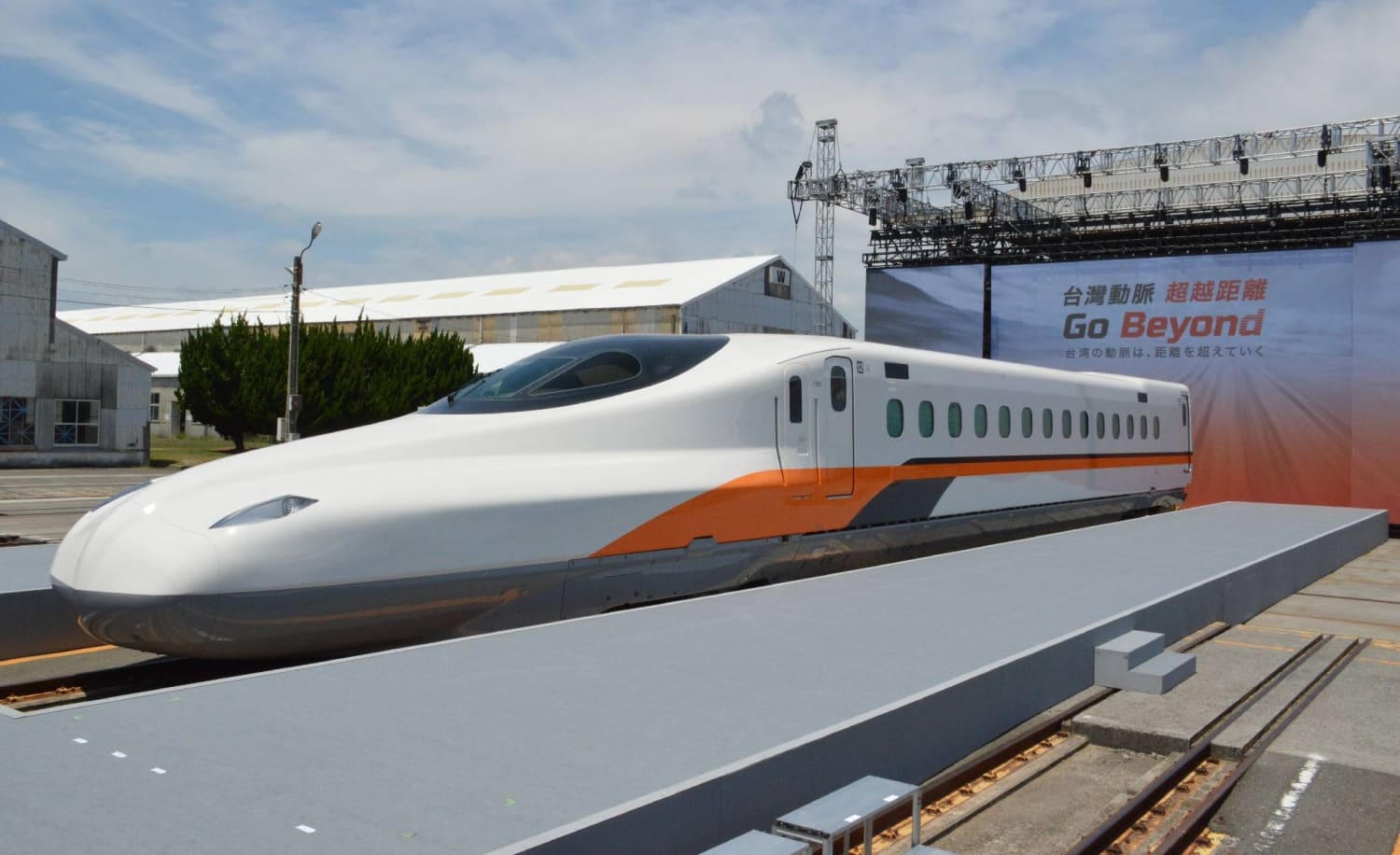
Hitachi and Toshiba Ship First High-Speed Train to Taiwan
Japanese manufacturers dispatch inaugural N700ST unit from Yamaguchi facility as Taiwan's rail modernization accelerates
KEY TAKEAWAYS
- ·Hitachi and Toshiba shipped the first N700ST high-speed train from their Kudamatsu factory in Yamaguchi Prefecture to Taiwan Railway Corporation.
- ·Taiwan's high-speed rail corridor carries approximately 200,000 passengers daily and requires additional capacity as peak-hour demand approaches existing fleet limits.
- ·The procurement includes technology transfer provisions with local assembly at CSRC's Kaohsiung facility, following regional trends toward domestic participation in rail projects.
Japanese Rail Giants Deliver First Unit
Hitachi and Toshiba have dispatched the inaugural N700ST high-speed train from their manufacturing facility in Kudamatsu, Yamaguchi Prefecture, destined for Taiwan's rail network. The shipment represents the first delivery in what industry observers expect will be a multi-unit procurement as Taiwan Railway Corporation upgrades its aging fleet.
The N700ST platform builds on the proven N700 series that has operated across Japan's Shinkansen network for nearly two decades. Hitachi's Kudamatsu plant has produced over 1,200 high-speed rail cars since operations began in the 1970s, establishing the facility as a cornerstone of Japan's rail export infrastructure.
Taiwan's high-speed rail corridor, which connects Taipei in the north to Kaohsiung in the south, opened in 2007 using an earlier generation of Japanese rolling stock. The 345-kilometer route carries approximately 200,000 passengers daily, according to Taiwan High Speed Rail Corporation data from 2025. Peak-hour demand has pushed existing trains to near capacity, prompting the procurement of additional units.
Regional Rail Competition Intensifies
The Taiwan order arrives as Japanese manufacturers face mounting competition in Asia's rail market. Chinese state-owned enterprises have secured contracts in Indonesia, Thailand, and Laos over the past five years, often backed by concessional financing from Beijing. South Korea's Hyundai Rotem has also expanded its regional footprint, winning a USD 1.2 billion contract in 2024 to supply trains for Malaysia's East Coast Rail Link.
Japan's rail industry has responded by emphasizing operational safety records and after-sales support networks. No fatal accident has occurred on the Shinkansen network since commercial operations began in 1964, a track record Japanese manufacturers highlight in procurement discussions across Southeast Asia and South Asia.
Taiwan represents a strategic market for Japanese rail technology. The island's existing high-speed network uses Japanese signaling systems, track infrastructure, and maintenance protocols, creating natural compatibility advantages for Hitachi and Toshiba over European or Chinese competitors.
Technology Transfer and Local Manufacturing
The N700ST contract includes provisions for technology transfer and local assembly. Taiwan's CSRC (China Steel Rail Corporation) will participate in final assembly and testing of later units at its facility in Kaohsiung, according to industry sources familiar with the arrangement. This mirrors procurement patterns in other Asian markets, where buyers increasingly demand domestic participation to build indigenous capabilities.
Hitachi has pursued similar partnerships in India, where it manufactures locomotives through a joint venture with Mitsubishi in Gujarat. The company's Asia-Pacific rail revenue reached JPY 180 billion in fiscal 2025, representing 22 percent of its total rail systems division revenue.
Taiwan's broader infrastructure strategy emphasizes resilience and diversification of supply chains. The government allocated TWD 420 billion (USD 13.5 billion) in its 2026 budget for transport infrastructure, including rail network expansion, port upgrades, and airport modernization. Rail electrification and fleet renewal account for approximately 30 percent of that allocation.
Operational Timeline and Fleet Expansion
Taiwan High Speed Rail Corporation has not disclosed the full size of the order or the delivery schedule for subsequent units. Industry analysts estimate the initial procurement at 12 to 16 trainsets, each comprising 12 cars, based on the operator's published fleet expansion plans through 2030.
The first N700ST unit will undergo testing on Taiwan's network over the next six months before entering revenue service. Japanese engineers from Hitachi and Toshiba will remain on-site during the commissioning phase to ensure compatibility with existing infrastructure and train control systems.
The shipment underscores Japan's strategy of leveraging decades of operational experience and engineering refinement to maintain market share in Asia's rail sector, even as lower-cost competitors gain ground in price-sensitive markets. For Taiwan, the procurement reinforces technical and economic alignment with Tokyo at a time when supply chain security has become a central consideration in infrastructure decisions across the region.
RELATED STORIES
China Imposes Anti-Dumping Measures on Japanese Semiconductor Chemical Imports
Jun-ho Seo · 3 min

Berkshire Hathaway Eyes Larger Stakes in Japan's Top Trading Houses
Cheng Wei-Lun · 3 min
Malaysia's Rare Earth Deposits Draw Foreign Interest Ahead of China Export Controls
Priyanka V. Rao · 3 min
Honda Demands 30% Price Cuts From Suppliers in $9.4 Billion Cost Plan
Cheng Wei-Lun · 3 min
Spot something wrong? Email editor@briefasia.com. We log every correction publicly.