Technology · Dev
Taiwan's AI Server Supply Chain Reports Record July Revenue
Monthly filings from Taipei reveal NT$2.59 trillion in combined revenue across assembly, cooling, power, and networking firms, signaling sustained hyperscaler demand
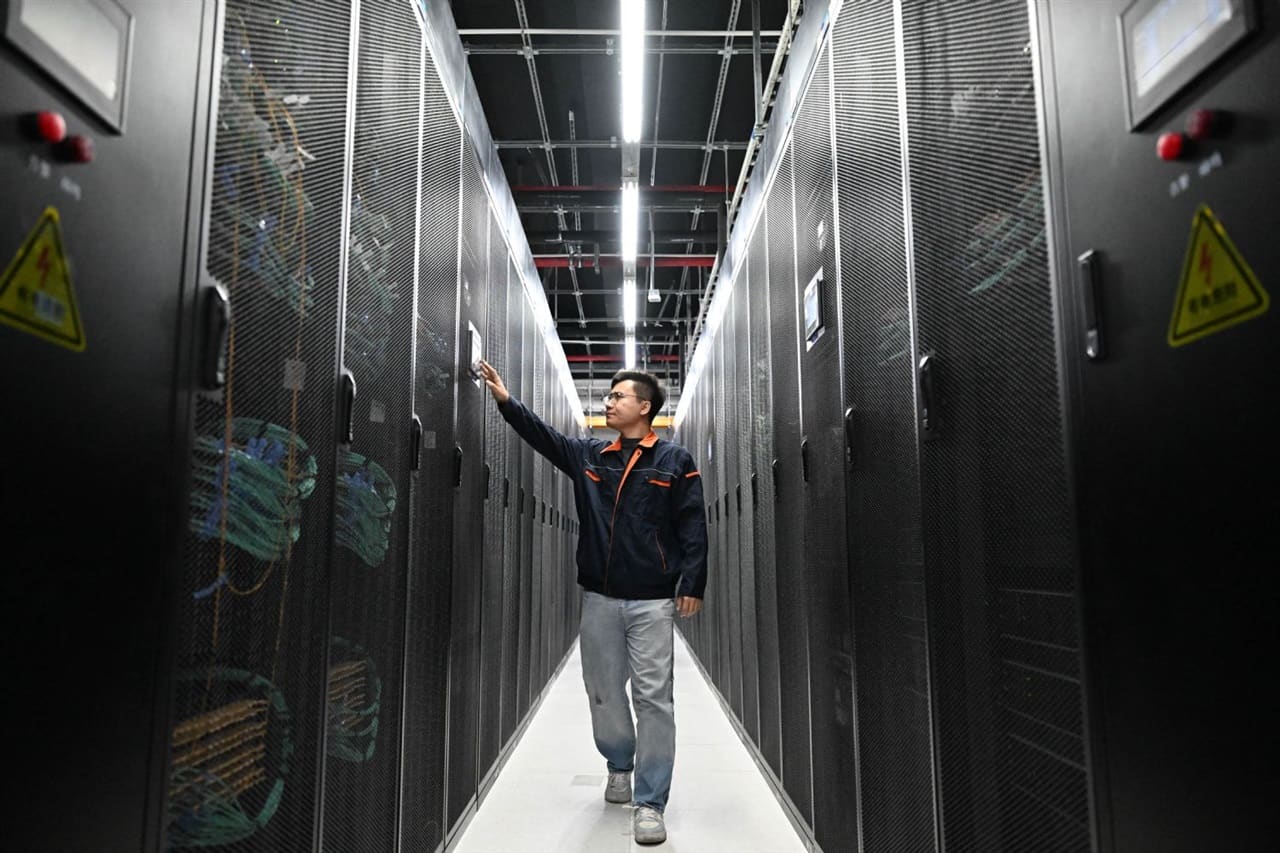
KEY TAKEAWAYS
- ·Taiwanese AI server supply chain firms reported combined July revenue of NT$2.59 trillion, a record driven by hyperscaler orders across assembly, cooling, power, and networking.
- ·Revenue growth extended to component suppliers, indicating deep order flow and easing supply constraints in advanced thermal and power delivery systems.
- ·Monthly filings from Taipei offer a leading indicator for global AI infrastructure spending, weeks ahead of U.S. hyperscaler earnings calls.
Record Month Across the Stack
Taiwan's AI server supply chain delivered its strongest monthly performance on record in July, with companies spanning assembly, thermal management, power delivery, networking, and testing equipment reporting combined revenue of NT$2.59 trillion, equivalent to approximately US$80.34 million. The figures, drawn from unaudited monthly disclosures filed in Taipei, offer a real-time snapshot of global AI infrastructure spending that typically remains hidden until quarterly earnings season.
The breadth of the revenue surge is notable. Growth was not confined to final assembly or brand-name ODMs, but extended downstream to component suppliers handling cooling systems, power conversion modules, high-speed interconnects, and burn-in testing rigs. That distribution suggests hyperscaler orders are deep enough to lift the entire supply pyramid, not just the top tier.
A Different Lens on Hyperscaler Capex
Wall Street usually measures AI hardware demand through the capex guidance of Microsoft, Google, Amazon, and Meta. Taiwan's monthly revenue filings provide an alternative vantage point, one that captures order flow weeks before it appears in a U.S. earnings call. Because Taiwanese ODMs and component makers operate on shorter reporting cycles, their disclosures can serve as a leading indicator for the broader server market.
July's record implies that hyperscaler procurement remained strong through the summer, a period when some investors had expected a seasonal pause. The component-level strength also suggests that supply constraints, particularly around advanced cooling and power delivery, are easing enough to allow higher production volumes.
Implications for the Asia Hardware Ecosystem
For Taiwan's electronics industry, the AI server boom represents a structural shift. Traditional PC and smartphone supply chains have matured into low-margin, high-volume businesses. AI servers, by contrast, command higher average selling prices and require more sophisticated thermal and electrical engineering, allowing suppliers to capture better economics.
The performance also underscores Taiwan's position as the dominant contract manufacturer for AI infrastructure. While U.S. hyperscalers design the systems and specify the silicon, Taiwanese firms handle the majority of physical integration, testing, and logistics. That dependency creates both opportunity and risk: any disruption to cross-strait shipping lanes or export controls on advanced components would ripple directly into hyperscaler deployment timelines.
What to Watch Next
August and September filings will reveal whether July's record was an anomaly or the start of a sustained ramp. Seasonal patterns in enterprise IT spending typically show strength in the second half of the calendar year, but AI infrastructure has not yet established a predictable cadence. If component-tier revenue holds or accelerates, it would suggest hyperscalers are building inventory ahead of new model launches or data center expansions in early 2027.
Investors will also scrutinize the mix within the NT$2.59 trillion figure. Revenue concentration in cooling and power components would indicate that liquid-cooled, high-density rack designs are gaining share. Strength in networking would point to larger GPU cluster deployments. The granular data from Taipei, though often overlooked, offers clues that aggregate capex numbers cannot.
RELATED STORIES
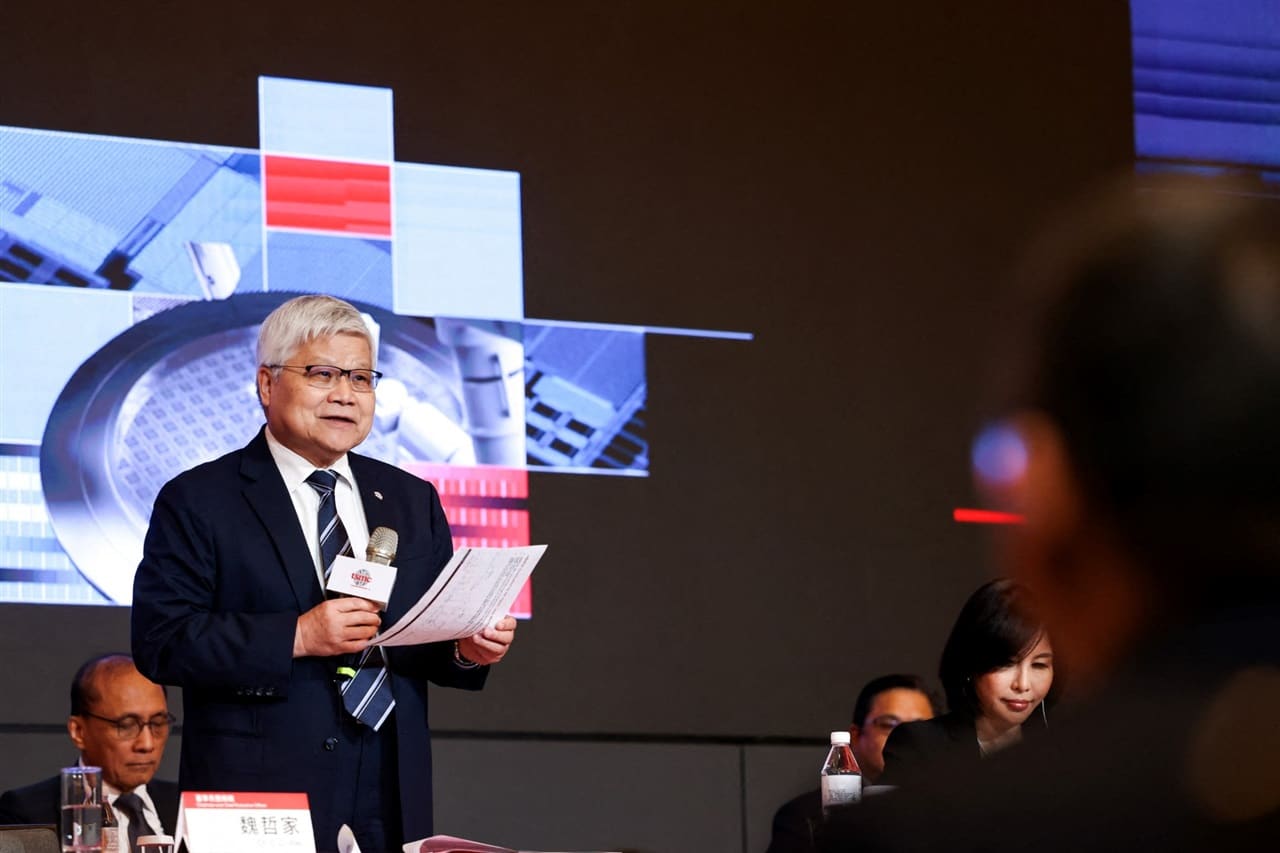
TSMC Posts Record Monthly Revenue as AI Chip Demand Accelerates
Cheng Wei-Lun · 2 min
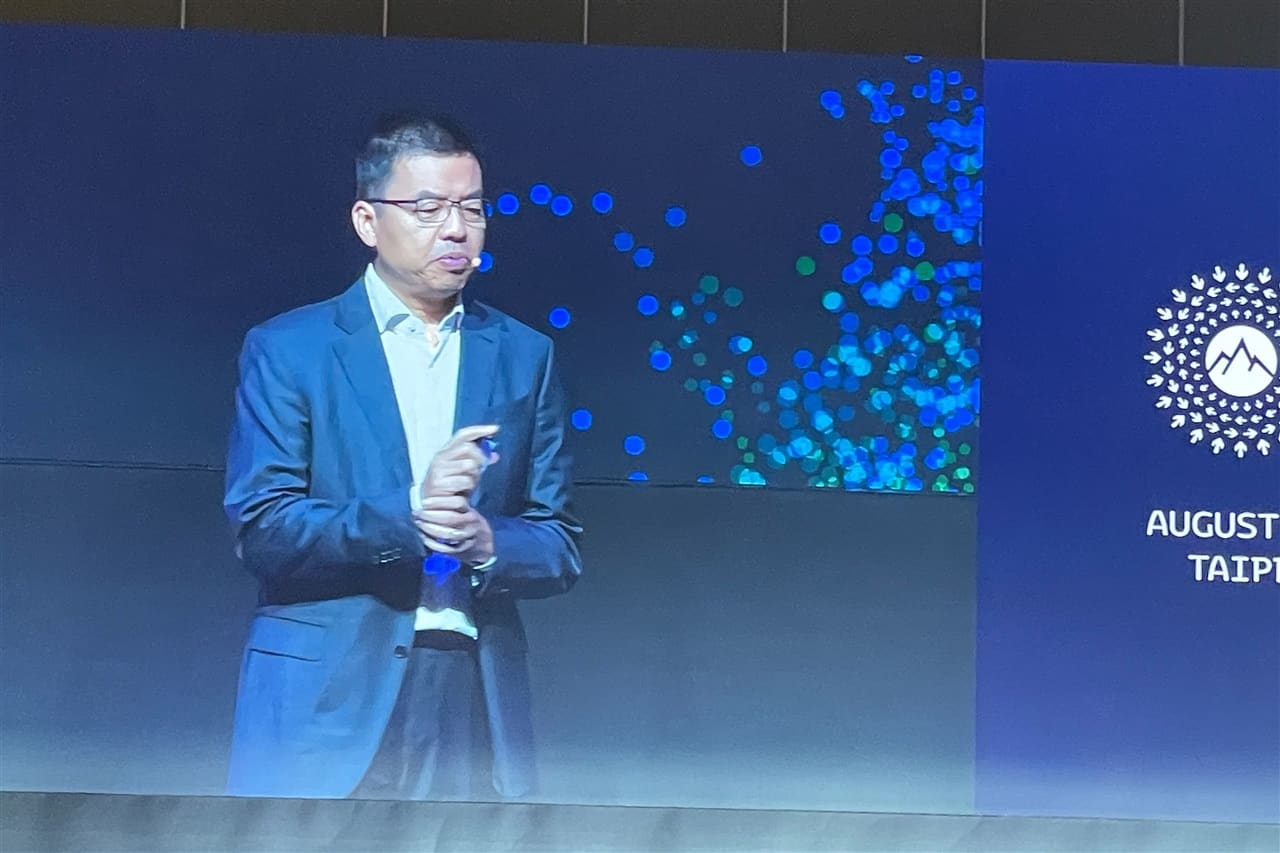
TSMC's Advanced Packaging Capacity Catches Up With AI Chip Demand
Cheng Wei-Lun · 3 min

British Semiconductor Delegation Heads to SEMICON Taiwan Seeking Strategic Partnerships
Cheng Wei-Lun · 2 min
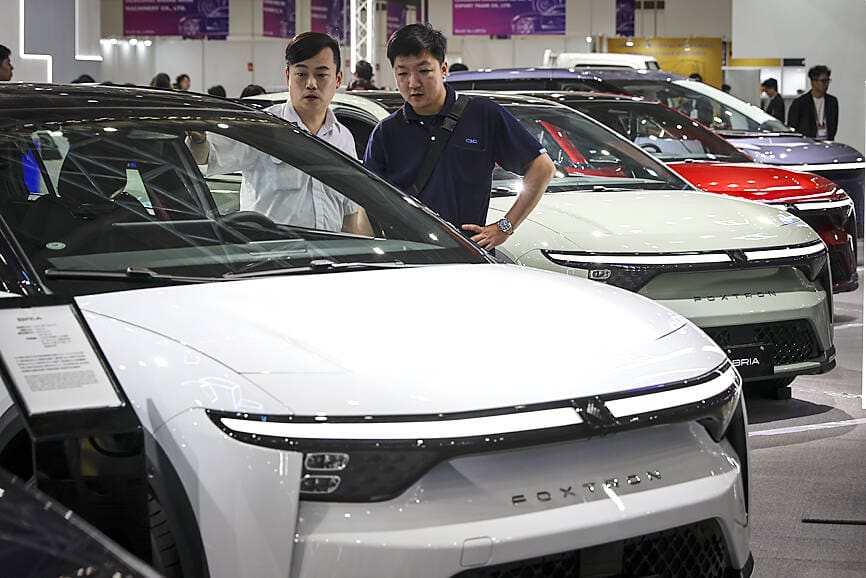
Foxconn's Foxtron Lands Mitsubishi EV Deal, Expands Taiwan Manufacturing Footprint
Cheng Wei-Lun · 5 min
Spot something wrong? Email editor@briefasia.com. We log every correction publicly.