Technology · Dev
TSMC's Advanced Packaging Capacity Catches Up With AI Chip Demand
After years of doubling CoWoS production annually, the foundry giant is finally closing the gap on surging orders for high-end AI accelerators.
KEY TAKEAWAYS
- ·TSMC has been doubling CoWoS and SoIC packaging capacity annually for several years and is nearing equilibrium with AI chip demand.
- ·The foundry is achieving yields above 98 percent, sometimes reaching 99 percent, on multiple AI customer products in high-volume manufacturing.
- ·Advanced packaging remains a critical bottleneck for AI accelerators, with TSMC holding a near monopoly on the most advanced CoWoS technology.
Closing the Gap
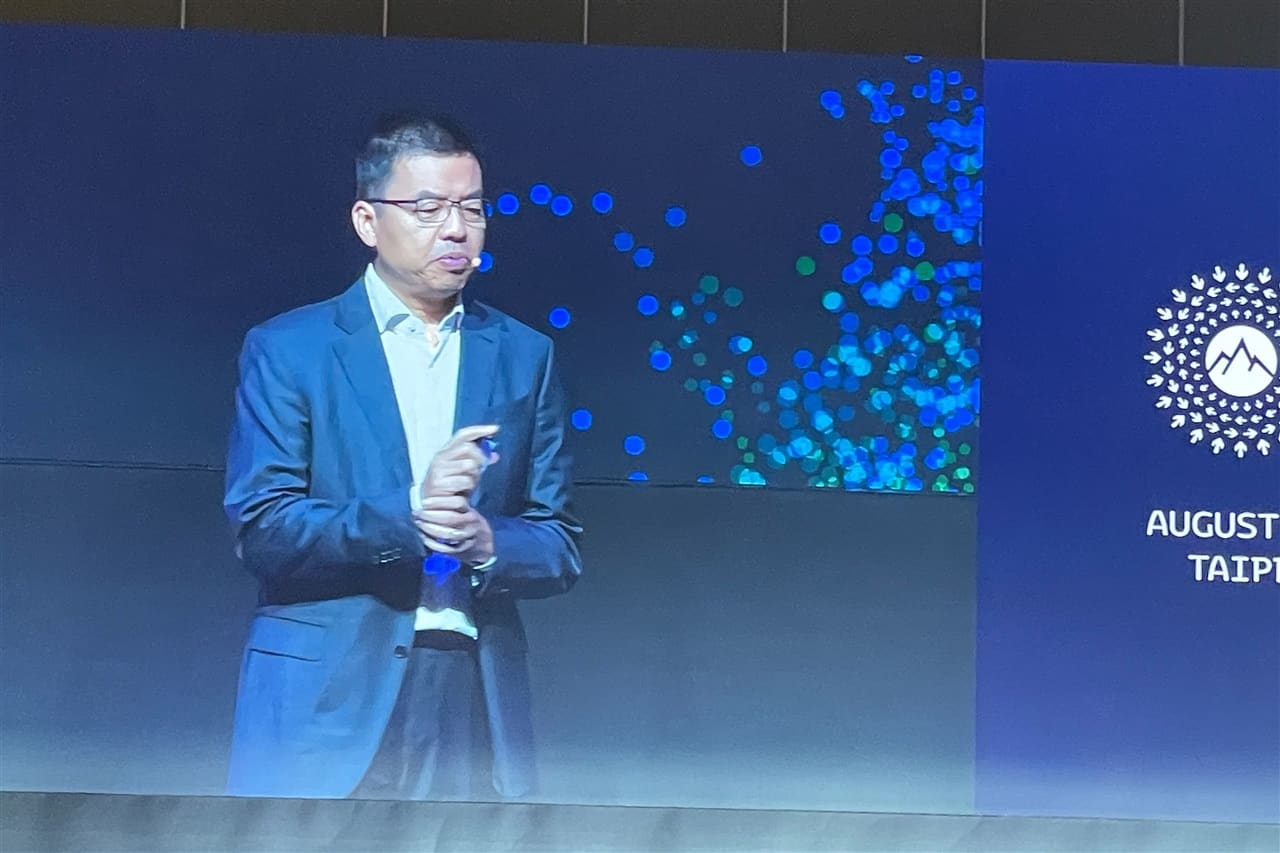
Taiwan Semiconductor Manufacturing Company has spent the past several years racing to meet explosive demand for its most advanced packaging technologies, doubling capacity for CoWoS (Chip-on-Wafer-on-Substrate) and SoIC (System on Integrated Chips) on an annual basis. According to Jun He, the foundry is finally nearing the point where supply can keep pace with orders.
The company is now running CoWoS production at yields better than 98 percent, and in some cases reaching 99 percent, for multiple AI customer products that have already entered high-volume manufacturing. That performance level, combined with the aggressive capacity expansion, marks a turning point for an industry that has struggled to secure enough advanced packaging capacity to support the rapid scaling of AI accelerators.
The Packaging Bottleneck
Advanced packaging has emerged as a critical chokepoint in the AI hardware supply chain over the past three years. While wafer fabrication capacity has expanded steadily, the specialized equipment and processes required for technologies like CoWoS, which enable chipmakers to stack high-bandwidth memory directly alongside logic dies, have been in chronically short supply.
CoWoS is the packaging method of choice for nearly every leading AI accelerator, from Nvidia's Hopper and Blackwell architectures to chips from AMD, Google, and a growing roster of custom silicon developers. The technology allows designers to place multiple dies and memory stacks on a silicon interposer, dramatically increasing bandwidth while keeping the package footprint manageable.
TSMC has held a near monopoly on the most advanced iterations of this packaging technology, making its capacity expansion plans a matter of intense interest across the semiconductor ecosystem. The company has reportedly allocated multiple fabrication facilities to CoWoS production and invested billions in new tooling and cleanroom space.
Yield and Volume
Achieving yields in the high nineties for complex multi-die packages represents a significant technical milestone. CoWoS assemblies can involve dozens of individual components, each of which must be precisely aligned and bonded. Even small defects in the interposer, underfill material, or thermal management layers can render an entire package unusable.
High yields are essential not just for profitability but for meeting the volume commitments TSMC has made to hyperscale customers. AI accelerators are being deployed by the tens of thousands per quarter in data centers worldwide, and any packaging bottleneck translates directly into revenue delays for chipmakers and capacity constraints for cloud providers.
The mention of SoIC alongside CoWoS is also noteworthy. SoIC is TSMC's brand for advanced 3D stacking technologies that use through-silicon vias and hybrid bonding to connect dies with far higher density than traditional packaging methods. While still ramping in volume, SoIC is expected to play a growing role in next-generation AI and HPC products where power efficiency and bandwidth are paramount.
Regional Implications
TSMC's dominance in advanced packaging reinforces Taiwan's central position in the global semiconductor supply chain, even as geopolitical pressures and supply chain diversification efforts intensify. The company has announced plans to build advanced packaging capacity at its Arizona fabs, but the bulk of its CoWoS and SoIC production remains concentrated in Taiwan.
For customers, the easing of the packaging bottleneck could unlock faster product cycles and more aggressive scaling of AI infrastructure. It also raises the stakes for competitors, including Intel's Foveros and Samsung's X-Cube, which have yet to achieve the same combination of yield, throughput, and customer adoption.
The reference to Jun He, who has been informally dubbed the "CoWoS guy" within the industry, underscores the degree to which individual engineering leaders have become synonymous with critical technology nodes. As AI hardware continues to drive unprecedented demand for leading-edge packaging, the ability to scale capacity while maintaining yield will remain a defining competitive advantage.
For now, TSMC appears to have turned the corner. The question is whether demand will stabilize, or whether another wave of AI model scaling will once again outpace supply.
RELATED STORIES
TSMC Posts Record Monthly Revenue as AI Chip Demand Accelerates
Cheng Wei-Lun · 2 min
TSMC Shifts CoW Packaging Work to Third-Party Contractors as AI Demand Strains Capacity
Cheng Wei-Lun · 3 min
Taiwan's AI Server Supply Chain Reports Record July Revenue
Cheng Wei-Lun · 2 min
TSMC and Sony Plan $6.3 Billion Sensor Factory in Japan
Cheng Wei-Lun · 3 min
Spot something wrong? Email editor@briefasia.com. We log every correction publicly.