Technology · Policy
British Semiconductor Delegation Heads to SEMICON Taiwan Seeking Strategic Partnerships
The UK Semiconductor Centre leads industry and research representatives to Asia's premier chip event as bilateral technology ties deepen

KEY TAKEAWAYS
- ·The UK Semiconductor Centre is leading British chip companies and research institutions to SEMICON Taiwan 2026 to pursue strategic partnerships with Taiwan's semiconductor ecosystem.
- ·The mission focuses on connecting British expertise in compound semiconductors and chip design with Taiwan's advanced manufacturing and packaging capabilities.
- ·The delegation reflects Britain's strategy to secure specialized roles in global chip supply chains through partnerships rather than large-scale domestic fabrication investments.
Britain Eyes Taiwan's Chip Ecosystem
The UK Semiconductor Centre is bringing a delegation of British chip companies and research institutions to SEMICON Taiwan 2026, signaling London's determination to forge deeper ties with one of Asia's most advanced semiconductor manufacturing hubs.
The move represents a calculated effort by the UKSC to position British chip design capabilities alongside Taiwan's manufacturing prowess. SEMICON Taiwan, held annually in Taipei, draws tens of thousands of industry professionals and remains the region's premier gathering for semiconductor equipment, materials, and technology providers.
Strategic Timing Amid Global Chip Competition
The British delegation's arrival comes as governments worldwide compete to secure positions in semiconductor supply chains. Taiwan produces the majority of the world's advanced logic chips, with TSMC alone accounting for more than half of global foundry revenue.
The UK has committed billions of pounds to its national semiconductor strategy, focusing on design, compound semiconductors, and research rather than attempting to match the capital-intensive fabs of Taiwan or South Korea. British chip design firms, particularly in the compound semiconductor space using materials beyond traditional silicon, have carved out specialized niches in defense, telecommunications, and automotive applications.
Building Cross-Strait Technology Bridges
SEMICON Taiwan offers British participants direct access to Taiwan's dense network of chip equipment suppliers, materials manufacturers, and foundry operators. The event typically features more than 700 exhibitors and attracts over 60,000 attendees from across the Asia-Pacific region.
For Taiwan, deeper engagement with the UK semiconductor sector diversifies its technology partnerships beyond its traditional reliance on US and Japanese equipment and design tools. British expertise in gallium nitride and silicon carbide semiconductors, materials critical for power electronics and radio frequency applications, complements Taiwan's silicon manufacturing leadership.
What the Delegation Brings
The UKSC delegation includes representatives from British compound semiconductor clusters, particularly those concentrated in South Wales and Scotland. These regions host facilities working on wide-bandgap semiconductors used in electric vehicle powertrains, 5G infrastructure, and radar systems.
British research institutions participating in the mission bring capabilities in advanced packaging, chiplet architectures, and photonics integration. These areas align with Taiwan's push to move beyond traditional chip manufacturing into heterogeneous integration and advanced packaging services.
Asia Angle in UK Chip Strategy
The SEMICON Taiwan mission reflects a broader British strategy to embed itself in Asian semiconductor networks. London has pursued similar outreach to South Korea, Japan, and Singapore, seeking technology partnerships that leverage British design and research strengths without requiring massive fabrication investments.
Taiwan's semiconductor ecosystem, with its concentration of foundries, packaging houses, and specialized equipment suppliers, offers British firms potential manufacturing partners and customers. For smaller British chip startups, access to Taiwan's foundry capacity and packaging services can accelerate time to market without the capital burden of building domestic production.
The delegation's presence at SEMICON Taiwan also carries geopolitical weight. As the US, EU, Japan, and South Korea pour subsidies into domestic chip production, the UK's approach emphasizes partnerships and specialization over self-sufficiency. Taiwan, facing its own pressures to diversify supply chains and technology partnerships, has shown interest in deepening ties with European chip ecosystems.
SEMICON Taiwan 2026 takes place in September, with the British delegation expected to participate in matchmaking sessions, technical seminars, and bilateral discussions with Taiwanese government and industry representatives.
RELATED STORIES
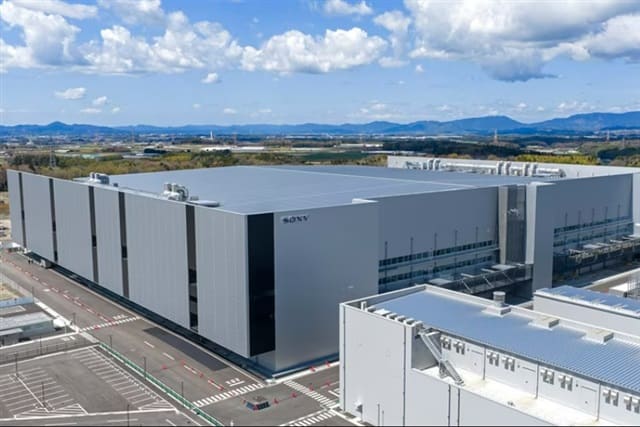
Sony and TSMC Plot $6.3 Billion Image Sensor Plant in Southern Japan
Cheng Wei-Lun · 3 min
TSMC and Sony Plan $6.3 Billion Sensor Factory in Japan
Cheng Wei-Lun · 3 min
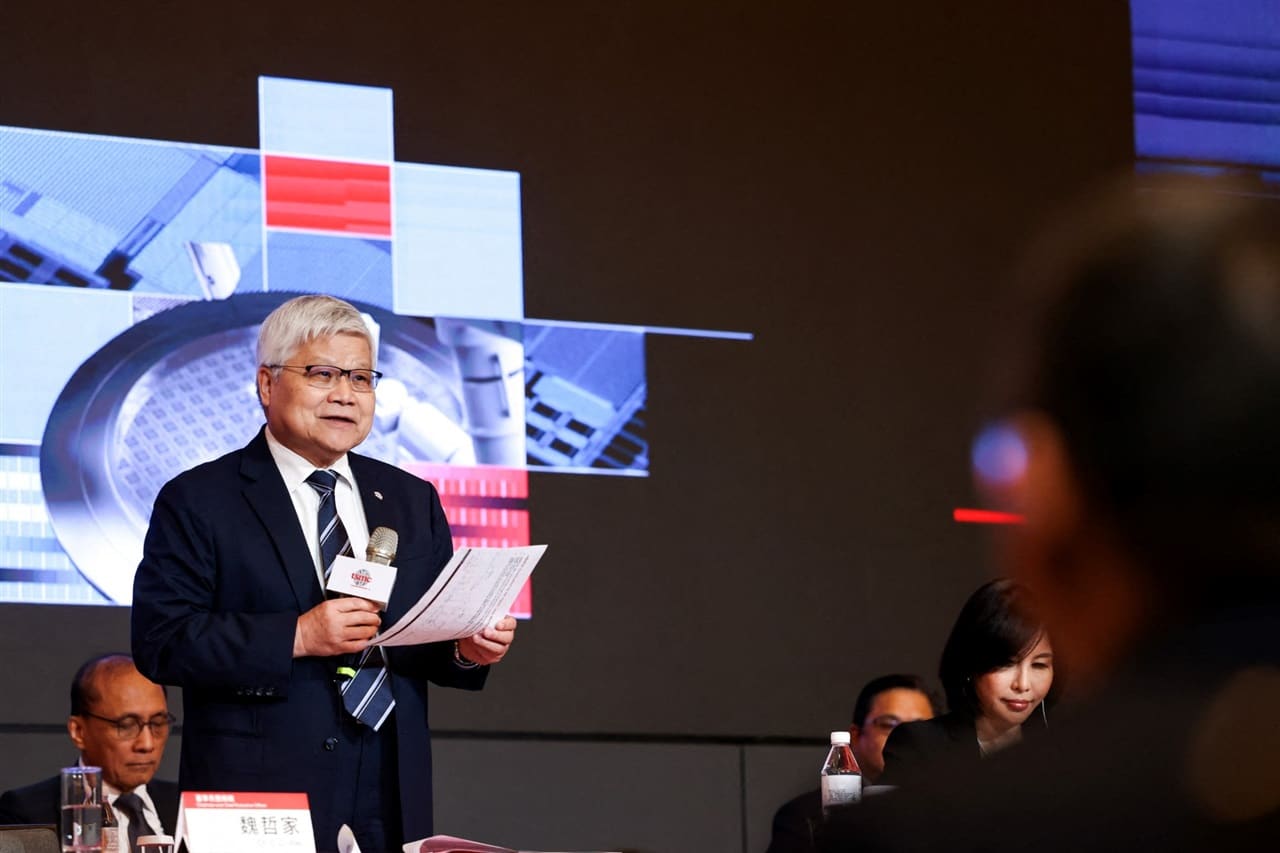
TSMC Posts Record Monthly Revenue as AI Chip Demand Accelerates
Cheng Wei-Lun · 2 min
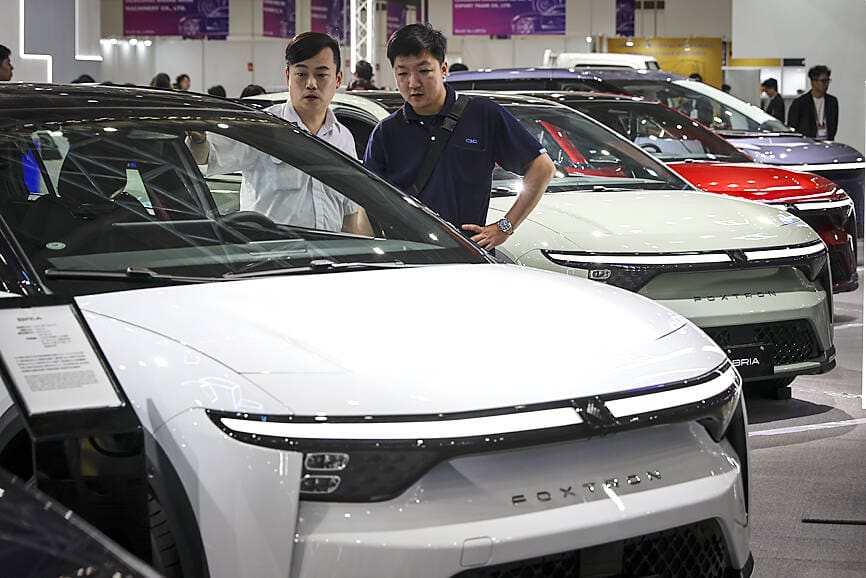
Foxconn's Foxtron Lands Mitsubishi EV Deal, Expands Taiwan Manufacturing Footprint
Cheng Wei-Lun · 5 min
Spot something wrong? Email editor@briefasia.com. We log every correction publicly.