Technology · Products
Samsung Doubles BOE Panel Orders as Chinese Suppliers Tighten Grip on TV Display Market
The Korean electronics giant will cut purchases from CSOT while expanding BOE volumes in 2026, reflecting the industry's shift toward mainland China panel production.
KEY TAKEAWAYS
- ·Samsung Electronics will double its TV LCD panel purchases from BOE in 2026 while reducing orders from CSOT as part of a supplier rebalancing strategy.
- ·The shift reflects Chinese panel makers' dominant position in the global LCD market after Korean and Taiwanese manufacturers exited commodity display production.
- ·Samsung's expanded BOE relationship signals confidence in Chinese suppliers' quality improvements and manufacturing scale for high-volume television production.
Korean TV Makers Rebalance Supply Chains
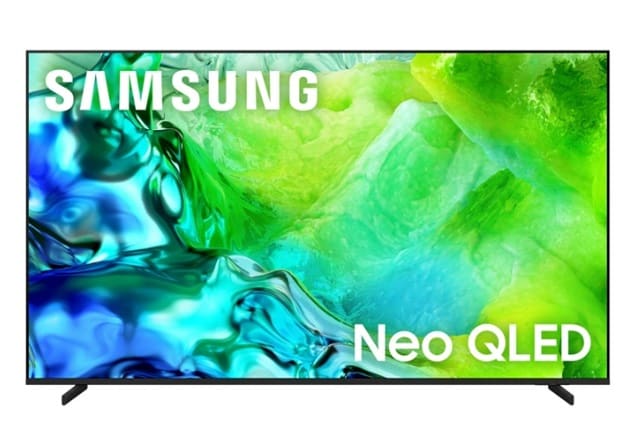
Samsung Electronics will purchase twice as many television LCD panels from BOE Technology Group in 2026 compared to the previous year, according to Samsung. The move comes as the world's largest TV manufacturer recalibrates its procurement strategy in response to the growing dominance of Chinese panel makers in the global display industry.
The adjustment involves cutting orders from China Star Optoelectronics Technology (CSOT) while expanding the relationship with BOE, Samsung's disclosure shows. LG Electronics, the second-largest Korean TV producer, is making similar changes to its supplier portfolio as both companies navigate an LCD market where Chinese manufacturers now control the majority of production capacity.
China's Display Ascendancy
The supplier reshuffle highlights a fundamental shift in the television panel ecosystem. Chinese panel makers have systematically expanded capacity over the past half-decade while their Korean and Taiwanese counterparts reduced or exited LCD production in favor of next-generation OLED and micro-LED technologies.
BOE operates multiple Generation 10.5 LCD fabs capable of producing panels for televisions ranging from 55 to 85 inches, the sweet spot for global TV demand. The Beijing-headquartered company has invested heavily in manufacturing efficiency and yield improvement, allowing it to compete aggressively on both price and delivery timelines.
Samsung's decision to double BOE volumes signals a pragmatic acceptance of market realities. Korean panel makers Samsung Display and LG Display have largely pivoted away from LCD television panels, creating procurement gaps that domestic TV brands must fill through external suppliers. Chinese manufacturers now represent the most viable option for the volume and pricing required to remain competitive in the global television market.
CSOT Loses Ground
The reduction in CSOT orders suggests Samsung is consolidating its Chinese panel purchases around fewer partners. CSOT, a subsidiary of TCL Technology, operates significant LCD capacity but faces intensifying competition from BOE and other mainland producers.
Industry watchers note that Korean TV makers prefer to maintain multiple suppliers to ensure pricing leverage and supply security. However, the practical choices have narrowed as the panel industry consolidates and Chinese players dominate available capacity.
The shift also reflects quality improvements among Chinese panel makers. BOE has closed the performance gap with Korean and Japanese suppliers in key metrics including color accuracy, response time, and defect rates. Samsung's willingness to double its BOE exposure indicates confidence in the supplier's ability to meet specifications for premium television models.
Implications for the Display Industry
The procurement changes reinforce China's position as the center of gravity for LCD manufacturing. Korean companies pioneered many of the technologies now used in television panels but chose to exit commodity LCD production as margins compressed. That strategic retreat has created dependencies that now shape purchasing decisions across the industry.
For BOE, the Samsung order expansion represents validation of its manufacturing capabilities and a platform for further growth. Securing larger volumes from a top-tier brand enhances the company's credibility with other global customers and supports continued investment in production technology.
The dynamic also affects pricing power across the supply chain. As Chinese panel makers consolidate their market position, they gain greater influence over panel pricing, which directly impacts the cost structure of TV brands. Korean manufacturers must balance the need for competitive component costs against the risk of over-reliance on suppliers that may also compete with them in finished goods markets through partnerships with Chinese TV brands.
Samsung and LG both sell televisions in direct competition with TCL, Hisense, and other Chinese brands that source panels from the same suppliers. Managing these complex relationships while securing favorable commercial terms requires careful supplier strategy, which the current adjustments reflect.
What Comes Next
The panel procurement landscape will continue evolving as technology transitions accelerate. Korean display makers are betting that OLED and future micro-LED panels will restore their competitive advantage in premium segments, leaving LCD production to Chinese manufacturers focused on volume and cost leadership.
For now, Samsung's decision to expand its BOE relationship and reduce CSOT purchases illustrates the practical choices facing global TV brands. Chinese panel suppliers have built scale and capability that cannot be easily replaced, forcing even the industry's largest players to adapt their supply chains accordingly.
The question for Korean manufacturers is whether they can maintain differentiation in finished products even as they source key components from the same Chinese suppliers that enable their competitors. The answer will shape competitive dynamics in the television industry for years to come.
RELATED STORIES
SK Hynix Reviews Future of China Packaging Facility Amid $3 Billion Valuation Talk
Cheng Wei-Lun · 2 min
Seoul Warns Against Redistributing Chip Profits as China Investment Accelerates
Jun-ho Seo · 2 min
Korean Chipmakers Quietly Test Chinese Equipment as US Export Controls Tighten
Cheng Wei-Lun · 4 min
Seoul Court Upholds Prison Term for Ex-SK Hynix Engineer in Chip Leak Case
Cheng Wei-Lun · 3 min
Spot something wrong? Email editor@briefasia.com. We log every correction publicly.