Sustainability · Nature
State Miner and Three Firms Keep Nickel Ambitions Alive in Raja Ampat
Despite permit revocations and UNESCO biosphere status, Indonesia's biodiverse archipelago remains exposed to extraction as companies push legal claims and PT Gag Nikel continues operations
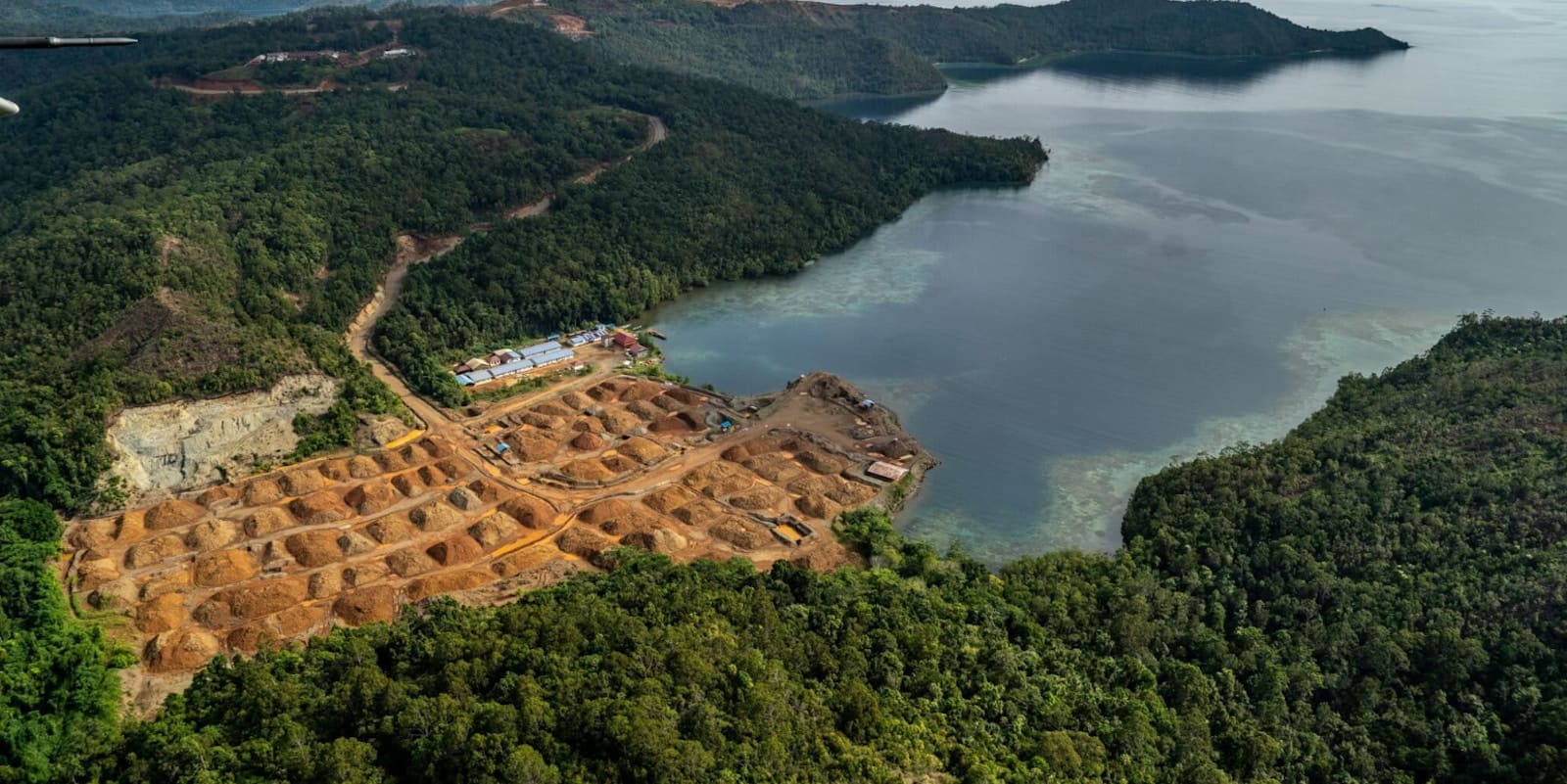
KEY TAKEAWAYS
- ·Three companies pursue nickel projects on Waigeo Island in Raja Ampat through legal and administrative channels despite government permit revocations in 2025, while state-owned PT Gag Nikel maintains active operations on Gag Island.
- ·A February 2026 environmental audit found 24 issues at Gag Nikel, including suboptimal sedimentation control and risks to marine ecosystems, though the company received a green rating and resumed operations in September 2025.
- ·Nickel from Raja Ampat may enter battery supply chains linked to major automakers including Toyota, Honda, BMW, and Tesla through processing facilities in North Maluku operated by joint ventures with China's Huayou Group.
Permits Revoked, Pressure Persists
Indonesia's decision to cancel four nickel permits in Raja Ampat last year has not eliminated extraction risk in the archipelago, home to three-quarters of known coral species globally. Three companies are advancing administrative and legal strategies to secure mining rights on Waigeo Island, the region's largest landmass, while state-controlled PT Gag Nikel maintains active operations on nearby Gag Island, according to Greenpeace.
The environmental organization identified PT Raja Ampat Nikel Abadi, PT Waegeo Mineral Mining, and PT Eka Kurnia Baru as entities pursuing projects in eastern Waigeo, where endemic species including Wilson's bird-of-paradise and the Waigeo spotted cuscus are found. Two of the firms won court rulings against the Energy Ministry's refusal to register permits they claim to have held since 2023, though neither has obtained production authorization. The third conducted community consultations in 2025 for a planned development.
Energy Minister Bahlil Lahadalia told reporters in early August that only Gag Nikel holds an active permit in the region, emphasizing that his ministry revoked all others. Greenpeace countered that its findings do not allege new permits have been granted, but rather that companies continue leveraging existing legal claims because parts of Raja Ampat remain classified as mining zones in national spatial planning.
UNESCO Status, Incomplete Protection
Raja Ampat earned UNESCO biosphere reserve designation in September 2025, adding to its existing Global Geopark recognition. The three proposed nickel sites fall within the reserve's buffer zone, where activities compatible with conservation are encouraged under UNESCO guidelines, though protections are less stringent than in core areas.
Before approving the biosphere status, UNESCO's scientific advisory committee requested data from Indonesia on mining concession locations, environmental impacts, and assessment procedures. Whether the designation will translate into stronger on-the-ground safeguards remains uncertain. A 2025 study in Communications Earth & Environment examining 119 UNESCO biosphere reserves worldwide found only 15 percent performed better than surrounding regions on ecosystem metrics such as water regulation and habitat connectivity, suggesting international labels alone do not guarantee conservation gains.
Greenpeace Indonesia forest campaigner Belgis Habiba said the government has shown little commitment to permanently shielding the archipelago from extractive activity or restoring areas already disturbed by mining.
Gag Nikel Audit Reveals Gaps
PT Gag Nikel, a subsidiary of state miner PT Aneka Tambang, suspended operations in June 2025 following public outcry over environmental damage but resumed in September after the Energy Ministry cited compliance with environmental standards, including a green rating in the Environment Ministry's annual corporate assessment.
An environmental audit ordered by the Environment Ministry after the suspension, however, documented 24 issues. In a February 2026 letter to Gag Nikel reviewed by Greenpeace, auditors noted suboptimal control of sedimentation, runoff, and erosion, with ongoing risk of sediment reaching coastal waters during heavy rain. The audit also flagged potential overflow of mine water in extreme weather, absence of closed-loop wastewater recycling, failure to apply biodiversity principles during extraction, and hydrogeological risks to freshwater resources on the small island.
Minister Bahlil stated during a June 2025 site visit that his ministry found no evidence of sedimentation or environmental failures and suggested pollution images circulating online were fabricated. The Environment Ministry told Greenpeace in July 2026 that Gag Nikel submitted an updated environmental plan within the three-month deadline, but details of the company's response to audit findings have not been disclosed.
A 2024 study funded by Gag Nikel itself, conducted by Sorong Marine and Fisheries Polytechnic, found two-thirds of 50 interviewed residents and workers believed operations polluted the environment, and 44 percent reported health impacts. Respondents cited worsening respiratory symptoms linked to dust, while fishermen said sedimentation pushed fish stocks two hours farther offshore. The study also noted coral damage from barge anchors dragging across the seabed over distances exceeding 20 meters.
Battery Supply Chain Links
Greenpeace traced nickel from Gag Island to PT Indonesia Weda Bay Industrial Park in North Maluku, a major processing hub. The park operator has a joint venture, Youshan Nickel Indonesia, with China's Huayou Group, which produces battery components domestically. Huayou supplies nickel to manufacturers tied to Toyota, Honda, Nissan, Hyundai, BMW, Mercedes, Tesla, and BYD, according to Greenpeace, raising the possibility that vehicles from those brands contain material originating in Raja Ampat. Limited supply chain transparency prevents definitive confirmation.
The environmental group called on battery producers to investigate sourcing and publicly commit to excluding nickel from any Raja Ampat mines.
Indonesia's nickel sector has expanded rapidly to meet battery demand for electric vehicles and renewable energy storage, positioning the country as the world's largest producer. The government has prioritized downstream processing to capture value from raw ore exports, but environmental and social costs in extraction zones remain contentious.
Raja Ampat sits within the Coral Triangle, a marine biodiversity hotspot spanning six countries. The archipelago's reefs support over 1,700 fish species and serve as critical nursery habitat for commercially important stocks across Southeast Asia and the Pacific. Sediment plumes from land-based mining can smother coral polyps, reduce light penetration, and disrupt reproductive cycles, effects that persist for years after disturbance ends.
Greenpeace urged the Energy Ministry to remove Raja Ampat from national mining zoning and establish permanent legal prohibitions on extraction. Without such measures, the organization warned, the archipelago will remain vulnerable to future permit applications and court challenges as global nickel demand continues to rise.
RELATED STORIES
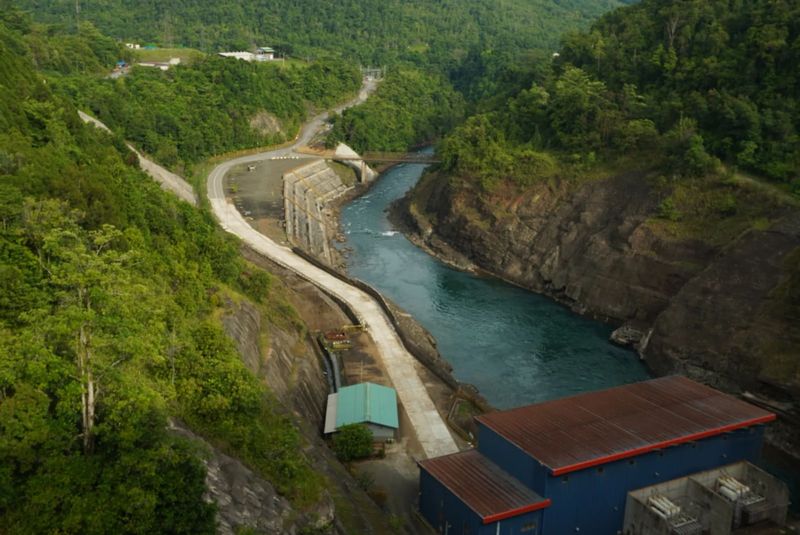
Indonesia's Renewable Energy Capacity Faces AI Data Centre Test
Tran Quoc Bao · 3 min
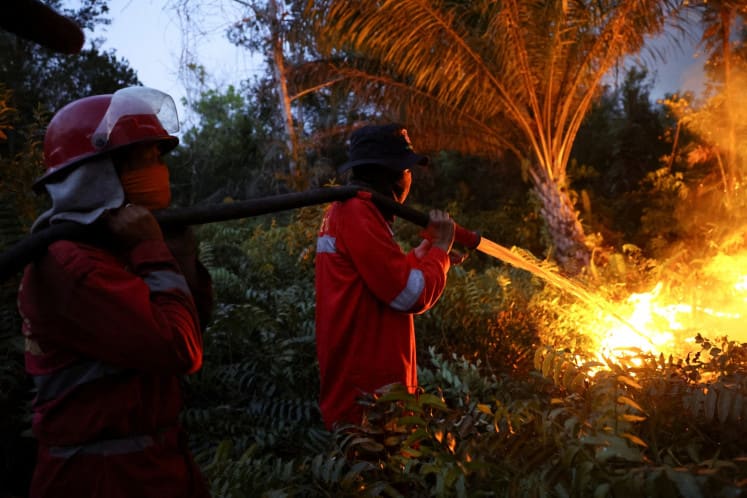
Indonesia's Palm Oil Zones Account for Bulk of Fire-Ravaged Land This Year
Siti Nuraini · 4 min
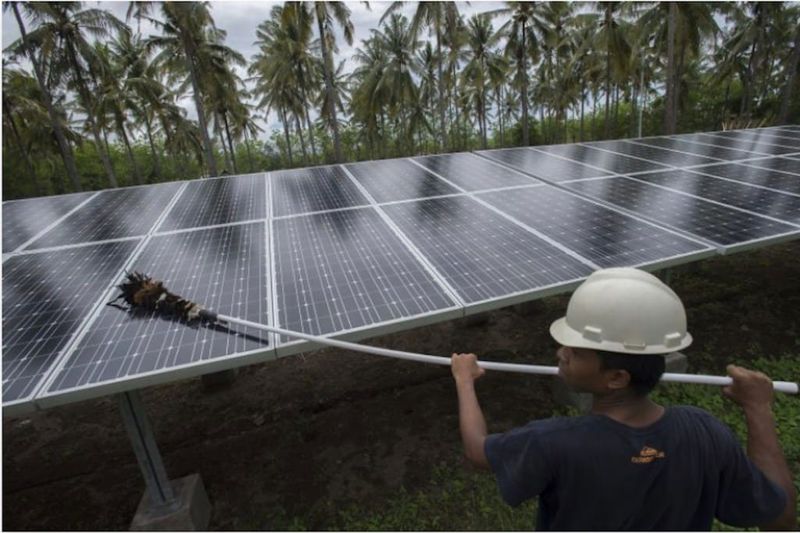
Indonesia Seeks 100GW Solar Build From China, But Not Chinese Ownership
Priyanka V. Rao · 3 min
Indonesia's Carbon Market Needs Tighter Rules to Reach $40 Price Target
Lim Hui Ying · 3 min
Spot something wrong? Email editor@briefasia.com. We log every correction publicly.