Technology · Products
Waymo to Bring Autonomous Ride-Hailing to Singapore in 2028
Alphabet's self-driving unit will deploy its first Southeast Asian service, partnering with Singaporean transport authorities to adapt autonomous technology to tropical conditions and local road networks.
KEY TAKEAWAYS
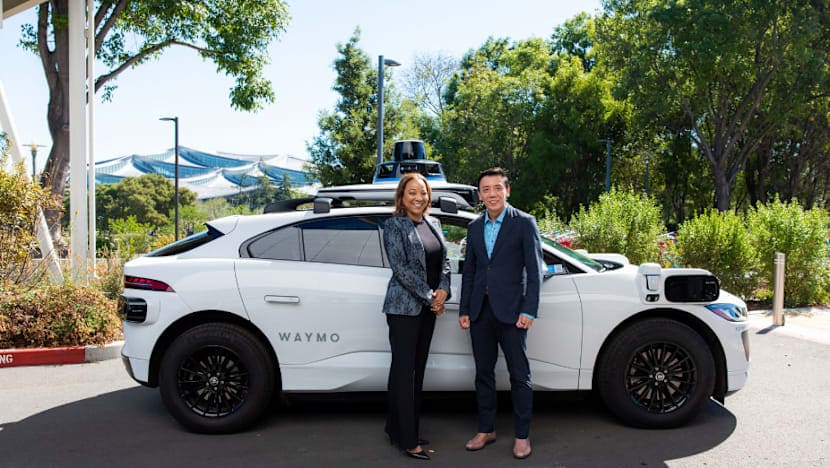
- ·Waymo will launch a fully autonomous ride-hailing service in Singapore by 2028 using an all-electric Jaguar I-PACE fleet, marking its first Southeast Asian deployment.
- ·The company will spend 2027 adapting its autonomous driving system to Singapore's road geometry and monsoon weather conditions during a readiness phase with manual drivers.
- ·The commercial launch remains subject to regulatory approvals from Singapore's Land Transport Authority and Ministry of Transport, with first vehicles arriving in coming months.
First Southeast Asian Deployment
Waymo will launch a fully autonomous ride-hailing service in Singapore by 2028, according to the company, marking the Alphabet subsidiary's first deployment in Southeast Asia. The service will operate through a dedicated app and use an all-electric fleet, providing commuters with an alternative to traditional taxis and ride-hailing platforms.
Waymo announced on 18 September that it is working with Singapore's Ministry of Transport and Land Transport Authority to establish the commercial operation. The partnership will focus on adapting the company's autonomous driving system to Singapore's infrastructure, weather patterns and regulatory environment.
The initial fleet will comprise all-electric Jaguar I-PACE vehicles, according to Waymo. The company expects the first units to arrive in Singapore within the coming months as it begins setting up local operations and technical infrastructure.
Adaptation Phase
Before launching public service, Waymo will spend 2027 conducting what it terms a "readiness phase." During this period, trained specialists will manually drive the vehicles while the company's autonomous system, the Waymo Driver, collects data on Singaporean road conditions.
The adaptation process will address specific local factors including road geometry, traffic patterns and monsoon weather conditions. Singapore's tropical climate presents a different operating environment from Waymo's existing markets in the United States, where the technology has been tested primarily in dry and temperate regions.
Waymo has not disclosed the size of the initial fleet or the geographic coverage area within Singapore. The company stated that the 2028 launch of fully autonomous rides remains subject to regulatory approvals from Singaporean authorities.
Regional Context
Singapore has positioned itself as a testbed for autonomous vehicle technology over the past decade, establishing regulatory frameworks and infrastructure to support trials. The city-state's controlled urban environment, comprehensive digital mapping and relatively predictable traffic flows make it an attractive location for companies developing self-driving systems.
Several autonomous vehicle pilots have operated in Singapore in recent years, though most have remained limited in scope or focused on specific use cases such as shuttle services in defined zones. Waymo's planned deployment represents a step toward broader commercial availability of autonomous ride-hailing in the region.
The company operates commercial robotaxi services in several US cities, including San Francisco, Phoenix and Los Angeles. The Singapore expansion signals Waymo's intent to establish operations beyond North America and to test its technology in Asian urban environments with different regulatory approaches and infrastructure standards.
Competitive Landscape
Waymo enters a Southeast Asian market where ride-hailing is dominated by regional players with established user bases and extensive driver networks. Singapore itself hosts operations from multiple platforms, creating a competitive environment for new entrants.
The autonomous service will need to demonstrate reliability and cost competitiveness to gain traction with commuters accustomed to human-driven alternatives. Waymo has not announced pricing structures or integration plans with existing transport apps beyond its own platform.
The company's approach differs from competitors pursuing partnerships with existing ride-hailing platforms. By launching through its own app, Waymo retains direct control over the customer experience but must also build brand recognition and user adoption from the ground up in a new market.
Technical and Regulatory Hurdles
Adapting autonomous driving technology to Singapore's conditions involves addressing several technical challenges. The city-state's frequent heavy rainfall, high humidity and intense tropical sun can affect sensor performance. Road layouts, signage conventions and driving behaviours also differ from the North American environments where Waymo's system was developed.
Singapore's regulatory framework for autonomous vehicles includes safety standards, insurance requirements and operational approvals that Waymo must satisfy before launching commercial service. The Land Transport Authority has established a tiered approval process for autonomous vehicle trials and deployments.
The 2028 timeline provides Waymo with approximately 18 months of on-road testing and adaptation before the planned public launch. Whether this proves sufficient to meet regulatory requirements and achieve the reliability standards necessary for commercial operation remains to be determined as the readiness phase unfolds.
RELATED STORIES

Southeast Asia's Data Centre Rush Faces Power Grid Reality
Mariel D. Santos · 4 min
Singapore Electronics Shipments Jump 132% as AI Chip Demand Drives Record Trade Growth
Rajesh K. Iyer · 4 min

Indonesian Digital Banks Outpace Regional Peers on Deposits and Loan Growth
Priyanka V. Rao · 3 min
CaoCao Mobility Bets on Autonomous Taxis as Revenue Tops RMB 10 Billion
Cheng Wei-Lun · 3 min
Spot something wrong? Email editor@briefasia.com. We log every correction publicly.