Asia · Trending
South Korean Vegetable Prices Climb as Heat Wave Disrupts Supply
Spinach prices more than double in a month as extreme temperatures hit agricultural output across the country
KEY TAKEAWAYS
- ·Spinach prices in South Korea rose 152.3 percent month-on-month as of Friday, with cucumbers up 54.8 percent and blue lettuce climbing 41.7 percent, according to Korea Agro-Fisheries & Food Trade Corp.
- ·The sharp increases stem from an intense heat wave that has reduced vegetable yields and disrupted growing cycles across the country's agricultural regions.
- ·Price stabilization depends on weather patterns returning to normal and farmers restoring production capacity in coming weeks.
Extreme Weather Hits Markets
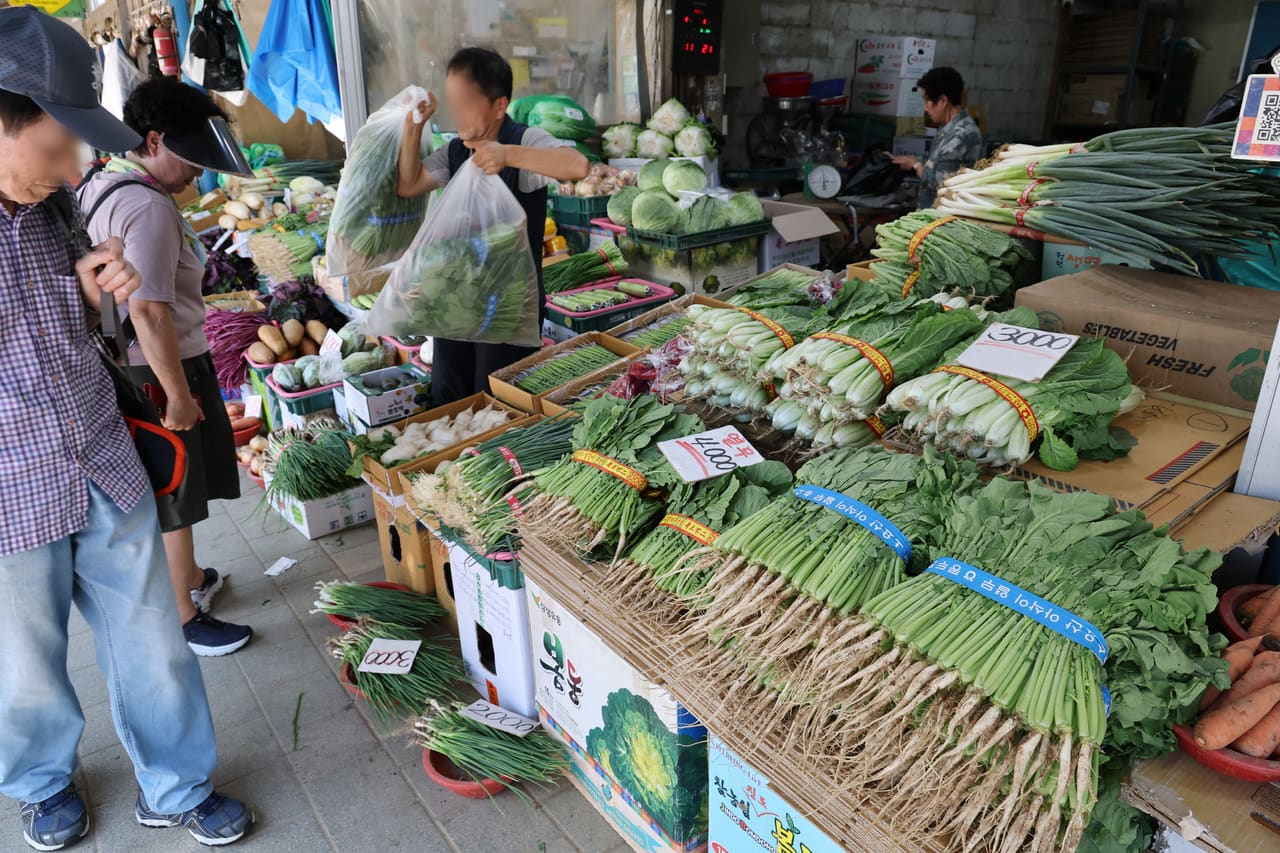
South Korea's vegetable markets are feeling the pressure of an intense heat wave, with retail prices for staple crops climbing steeply over the past month. Spinach has seen the sharpest increase, with 100 grams now costing 152.3 percent more than it did a month ago, according to data from the Korea Agro-Fisheries & Food Trade Corp.
The pattern extends across multiple crops. Cucumbers have jumped 54.8 percent for a bundle of ten, while blue lettuce prices rose 41.7 percent for 100 grams during the same period. The increases reflect broader supply constraints as prolonged high temperatures disrupt growing cycles and reduce yields.
Agricultural Stress Points
Heat waves create multiple challenges for vegetable production. High temperatures accelerate crop maturation and can damage delicate leafy vegetables, reducing both quality and quantity. Water stress becomes acute even with irrigation, and certain varieties simply fail to thrive when ambient temperatures exceed optimal ranges for extended periods.
South Korea's agricultural sector has faced climate volatility before, but the current heat wave appears to be testing supply chains more severely than recent weather events. Spinach, which thrives in cooler conditions, is particularly vulnerable. The crop's sensitivity to heat stress means farmers often see significant losses when temperatures remain elevated.
Cucumbers and lettuce, while somewhat more heat-tolerant, still require consistent conditions to maintain production volumes. When weather patterns shift suddenly, growers face difficult choices about irrigation, shade management, and whether to harvest early to salvage crops.
Consumer Impact
For households across South Korea, the price increases arrive at a challenging moment. Vegetables form a core component of Korean cuisine, from banchan side dishes to soups and stews. When staple items like spinach and lettuce double in price within weeks, household budgets feel the strain.
Urban consumers, who rely entirely on retail channels, have limited options to absorb the cost increases. Unlike some rural households with access to local or direct-from-farm sources, city residents face the full impact of retail markups layered on top of wholesale price spikes.
The government has acknowledged the situation, though specific policy responses remain unclear from available data. Authorities typically monitor agricultural price movements closely and may consider releasing stockpiles or adjusting import quotas when domestic supply tightens significantly.
Regional Context
South Korea is not alone in facing heat-related agricultural disruption. Across East Asia, this summer has brought unusual temperature patterns that have stressed farming systems from Japan to parts of China. The Korean peninsula's geography, however, makes it particularly exposed. With limited arable land and high population density, the country imports substantial food volumes and depends on efficient domestic production for fresh vegetables.
Any sustained disruption to local growing cycles can quickly translate into price volatility. The current heat wave underscores the vulnerability of tightly integrated food systems where supply buffers are thin and demand remains constant.
Outlook
Weather forecasts will determine how quickly prices stabilize. If temperatures moderate and rainfall patterns normalize, growers may be able to restore production levels within a few weeks. However, if the heat persists, further price increases are likely, and the range of affected crops could expand.
Agricultural markets in South Korea have historically shown resilience, with prices adjusting once weather normalizes. The speed of recovery will depend on how much growing capacity has been lost and whether farmers can replant in time for late-summer and early-autumn harvests.
For now, consumers are adjusting shopping habits, substituting where possible and watching for any policy interventions that might ease the pressure on household food budgets.
RELATED STORIES
South Korea's Food Costs Surge as Summer Heat Ravages Farms
Jun-ho Seo · 5 min
Washington's Polysilicon Tariffs Set to Squeeze Korean Solar Producers
Cheng Wei-Lun · 3 min
Incheon Airport Launches Korea's First Passenger-to-Freighter Conversion Service
Cheng Wei-Lun · 3 min
Homeplus Secures Funding and Resumes Operations as Court Deadline Looms
Jun-ho Seo · 4 min
Spot something wrong? Email editor@briefasia.com. We log every correction publicly.