Asia · Trade
South Korea Dispatches Trade Chief to Washington Over Coupang Dispute
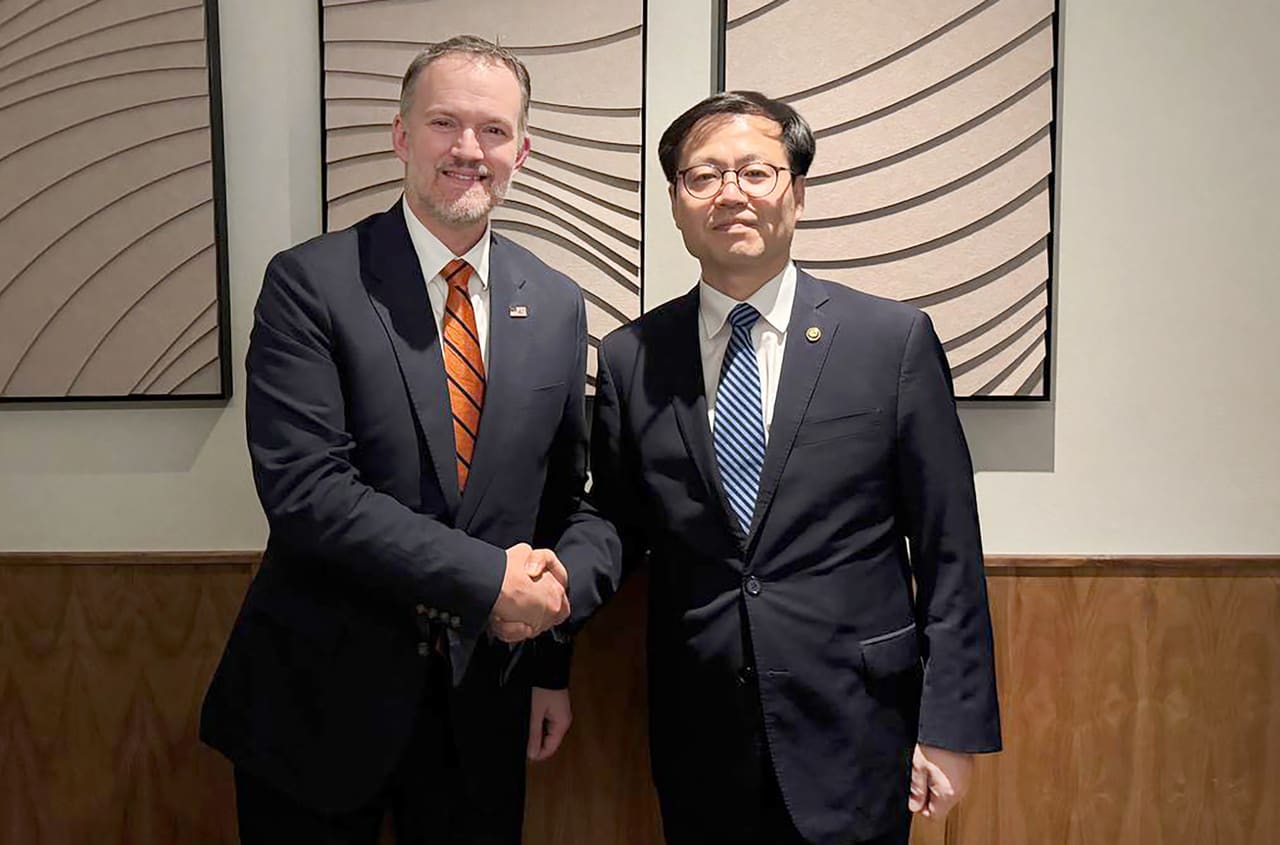
Minister Yeo Han-koo met with ten US lawmakers to address allegations of regulatory bias against the American e-commerce platform
KEY TAKEAWAYS
- ·South Korea's Trade Minister Yeo Han-koo met with ten US lawmakers over four days to address claims that Seoul's digital regulations unfairly target Coupang, the US-listed e-commerce platform.
- ·The dispute centers on whether Korean authorities apply stricter enforcement to Coupang compared to domestic competitors, potentially violating bilateral free trade commitments.
- ·Seoul plans to provide documentation demonstrating nondiscriminatory rule application, while the outcome could affect broader US-Korea cooperation on semiconductors and supply chains.
Seoul Sends Senior Envoy to Capitol Hill
South Korea's Trade Minister Yeo Han-koo spent four days in Washington last week meeting with US senators and representatives to address mounting concerns that Seoul's regulatory framework discriminates against Coupang, the US-listed e-commerce platform that has become a friction point in bilateral trade relations.
The Ministry of Trade, Industry and Energy confirmed Sunday that Yeo held discussions with ten lawmakers between Tuesday and Friday, including Senator Bill Hagerty and Representative Adrian Smith. The meetings focused on clarifying that Korea's digital commerce laws and enforcement practices apply equally across domestic and foreign operators.
The Coupang Question
Coupang, which went public on the New York Stock Exchange in 2021 and counts SoftBank among its major backers, has emerged as South Korea's dominant online retailer. The company operates a logistics network that rivals traditional players and has expanded into food delivery, video streaming, and financial services.
Washington's scrutiny centers on whether Korean regulators have applied stricter standards to Coupang compared to homegrown competitors, a pattern that would violate bilateral trade commitments. The allegations come at a delicate moment for US-Korea economic ties, with both countries negotiating updates to their free trade agreement and coordinating semiconductor supply chain policies.
Yeo's visit represents the highest-level diplomatic intervention Seoul has deployed on the issue. The minister's calendar of meetings spanned both chambers and included members of committees overseeing trade, technology, and foreign affairs.
Regulatory Landscape Under Review
South Korea has rolled out a series of digital platform regulations over the past three years, including rules on data localization, consumer protection standards, and antitrust oversight of dominant market players. Korean authorities maintain these measures target market behavior rather than corporate nationality.
However, US trade officials have flagged concerns that enforcement actions disproportionately affect American firms operating in Korea's digital economy. Coupang's case has become emblematic of broader anxieties about market access and regulatory evenhandedness in one of Asia's most digitally advanced economies.
The company's business model, which relies on heavy infrastructure investment and aggressive pricing, has also drawn attention from Korean fair trade authorities examining whether its practices disadvantage smaller merchants on its platform.
Trade Ties at Stake
The Korea-US free trade agreement, which took effect in 2012, includes provisions requiring national treatment for foreign investors and prohibiting discriminatory regulatory practices. Any finding that Seoul has violated these commitments could trigger formal dispute mechanisms and potentially retaliatory measures.
Beyond Coupang, the broader context includes American concerns about digital protectionism across Asian markets. Korea's approach to platform regulation is being watched closely by other governments in the region considering similar frameworks, making the outcome of this dispute relevant beyond bilateral relations.
Yeo's Washington trip also coincided with ongoing discussions about semiconductor cooperation, critical minerals supply chains, and joint responses to Chinese industrial policy. Both governments have incentives to prevent the Coupang dispute from spilling over into these strategic areas.
What Comes Next
The Ministry of Trade has not disclosed specific commitments made during the meetings, but officials indicated Seoul would provide additional documentation to US lawmakers demonstrating the nondiscriminatory application of digital commerce rules.
Korean regulators are expected to conduct an internal review of enforcement decisions affecting major e-commerce platforms to ensure procedural consistency. Whether this satisfies Washington's concerns remains uncertain, particularly as US congressional interest in fair trade enforcement has intensified ahead of the 2026 midterm election cycle.
The Coupang case illustrates the growing complexity of digital trade governance, where national regulatory sovereignty intersects with international investment commitments. As Korea continues to refine its approach to platform oversight, maintaining alignment with US expectations will require ongoing diplomatic engagement and transparency in rule application.
RELATED STORIES
South Korea Breaks Full-Year Export Record in September
Tran Quoc Bao · 3 min
SK Hynix Union Rejects Wage Deal in Razor-Thin Vote
Cheng Wei-Lun · 3 min
South Korea's Export Surge Powers Economic Upturn Through Third Quarter
Jun-ho Seo · 4 min
South Korea Targets $40,000 Per Capita Income as GDP Growth Accelerates
Jun-ho Seo · 4 min
Spot something wrong? Email editor@briefasia.com. We log every correction publicly.