Asia · Business
SK Hynix Union Rejects Wage Deal in Razor-Thin Vote
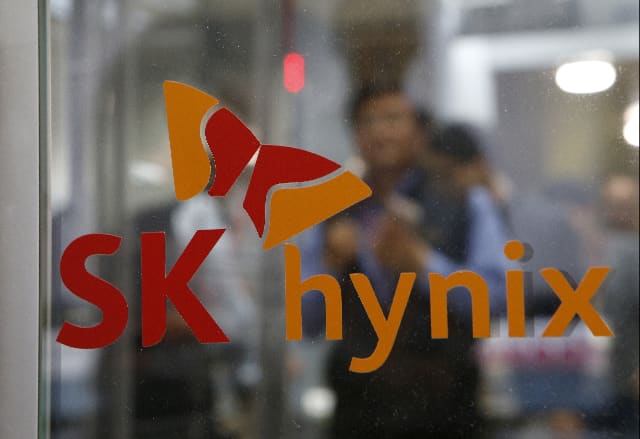
Workers turned down a performance bonus structure that would have paid 60 percent in company shares, with the proposal failing by the narrowest of margins.
KEY TAKEAWAYS
- ·SK hynix's 16,000-member production union rejected a tentative wage deal by 50.1 percent, blocking a bonus structure that would have paid 60 percent in company shares and 40 percent in cash.
- ·The narrow margin reflects division over equity-heavy compensation as South Korean chipmakers push stock-based pay models to retain talent and manage cash flow during industry cycles.
- ·The failed vote may force SK hynix back to negotiations and signals broader challenges in Asia's semiconductor labor market as companies balance worker preferences with capital strategies.
Workers Split on Equity-Heavy Compensation
SK hynix's production workers' union rejected a tentative wage agreement Monday and Tuesday in one of the closest labor votes in recent South Korean semiconductor history. Among roughly 16,000 eligible members, 50.1 percent voted against the deal, blocking an agreement that management and union negotiators had reached after two months of talks.
The proposed package centered on how the company would distribute performance bonuses tied to excess profits. Under the terms, 40 percent of profit-sharing bonuses would have been paid in cash, with the remaining 60 percent delivered as SK hynix shares. That structure represented management's push to align worker compensation more closely with stock performance, a model gaining traction across Asia's technology sector as companies seek to retain talent during boom cycles and preserve cash during downturns.
The vote's outcome underscores tensions between traditional cash-based compensation expectations and corporate moves toward equity incentives. South Korea's major chipmakers have faced pressure to compete with Taiwan and China on both technology roadmaps and labor practices, including how they structure pay in an industry known for cyclical swings.
Narrow Margin Reflects Divided Workforce
The razor-thin rejection margin suggests deep division within SK hynix's production workforce. While some employees may have welcomed the equity component as a long-term wealth-building tool, especially given the memory chip sector's recent recovery, others likely preferred immediate cash liquidity. The vote took place across two days to accommodate shift schedules at the company's fabrication facilities.
SK hynix has not disclosed whether it will return to the negotiating table or propose a revised package. Typically, a rejected tentative agreement sends both sides back into discussions, though the company could also choose to implement portions of the deal unilaterally or escalate the dispute.
The chipmaker's management had framed the equity-heavy bonus structure as a way to share upside during periods of strong demand for high-bandwidth memory and advanced DRAM products. SK hynix has been a key supplier to Nvidia and other AI accelerator manufacturers, benefiting from the surge in data center investment. That positioning has lifted the company's stock and profitability, making equity compensation more attractive on paper but also raising worker expectations for immediate cash rewards.
Implications for South Korea's Chip Labor Landscape
The vote arrives as South Korea's semiconductor industry navigates a complex labor environment. Samsung Electronics, SK hynix's larger rival, has also faced union activity and wage negotiations in recent quarters. Both companies are expanding domestic production capacity while competing for skilled engineers and technicians in a tight labor market.
Equity compensation has become more common among Asia's technology leaders, particularly in software and platform companies, but adoption in manufacturing-intensive sectors like chipmaking has been slower. Workers in fabrication roles often prioritize stable, predictable cash income over stock-based pay, especially when equity vesting schedules stretch multiple years.
For SK hynix, the failed vote may prompt a reassessment of how it structures incentive pay. The company could explore hybrid models that tilt more heavily toward cash or introduce shorter vesting periods to make equity components more palatable. Alternatively, management may choose to wait for market conditions to shift before proposing another equity-focused package.
Union leadership has not yet issued a public statement outlining specific objections or counteroffer terms. The next round of negotiations will likely clarify whether the rejection centered on the 60-40 split itself, concerns about stock price volatility, or other elements of the broader wage package.
South Korea's semiconductor workforce remains a critical variable in the country's ambitions to maintain its lead in memory chips and close the gap in logic semiconductors. How SK hynix resolves this wage dispute will signal whether the industry can successfully transition to compensation models that balance worker preferences with corporate capital allocation strategies.
RELATED STORIES

South Korea's Central Bank Set to Lift 2026 Growth Forecast Above 3 Percent
Cheng Wei-Lun · 3 min
South Korea Creates Fiscal Buffer Fund to Manage Semiconductor Tax Surge
Cheng Wei-Lun · 4 min

Seoul Faces Economic Pressure as US Policy Shift Strains Trade and Security Ties
Cheng Wei-Lun · 4 min

Samsung Electronics Drops 8% as Market Questions Buyback Strategy
Cheng Wei-Lun · 2 min
Spot something wrong? Email editor@briefasia.com. We log every correction publicly.