Finance · Markets
South Korea Moves to Rein in Leveraged Single-Stock ETFs After Volatility Spike
Financial Services Commission chairman signals regulatory tightening as newly launched products draw criticism for destabilizing markets
KEY TAKEAWAYS
- ·South Korea's Financial Services Commission is preparing further restrictions on single-stock leveraged ETFs after the products were linked to increased market volatility.
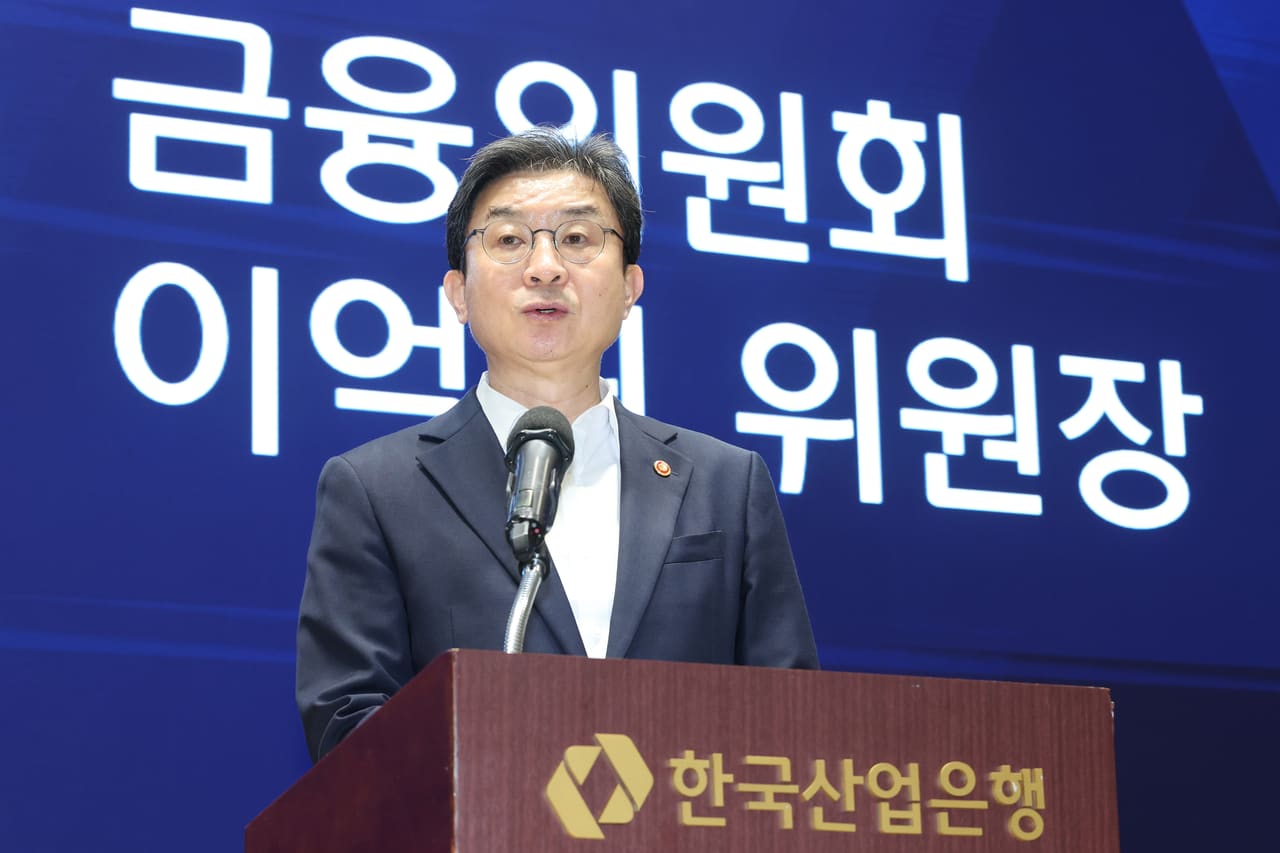
- ·Chairman Lee Eog-weon told industry executives the regulator will assess the impact of a new minimum cash deposit rule before deciding on additional curbs.
- ·The debate reflects tension between product innovation and orderly trading in a market where retail investors drive a large share of daily volume.
Regulator Signals Tougher Stance
South Korea's Financial Services Commission is preparing additional curbs on single-stock leveraged exchange-traded funds, a product category that regulators now blame for exacerbating market volatility since its launch earlier this year.
Lee Eog-weon, chairman of the FSC, told executives from local brokerages and asset management firms on Tuesday that the commission will evaluate the effectiveness of a recently introduced minimum cash deposit requirement before deciding on further action. The deposit rule, designed to limit retail access to the high-risk instruments, took effect within the past month.
The meeting underscores growing unease among Seoul policymakers about the side effects of financial innovation in a market where retail participation already runs high. Single-stock leveraged ETFs amplify the daily returns of individual equities by two or three times, using derivatives and borrowed capital. When volumes surge, the funds' daily rebalancing can push share prices in exaggerated swings, particularly at the market close.
Why the Products Drew Scrutiny
Leveraged ETFs tracking broad indices have traded in South Korea for years, but single-stock variants arrived only recently. Asset managers pitched them as tools for active traders seeking magnified exposure without margin accounts. Uptake proved faster than regulators anticipated.
Within weeks of their debut, trading volumes in some single-stock leveraged ETFs began to rival or exceed those of the underlying shares, a pattern that prompted complaints from institutional investors and market analysts. The concern centers on end-of-day volatility, when ETF issuers must buy or sell large blocks of the underlying stock to reset leverage ratios for the next session.
Lee's comments suggest that the FSC views the initial deposit requirement as insufficient. The regulator has not disclosed what additional measures it is considering, though options under discussion in financial circles include tighter leverage caps, restrictions on intraday trading, or outright bans for certain investor classes.
Broader Implications for Seoul's Market Structure
The debate over single-stock leveraged ETFs reflects a recurring tension in South Korean capital markets between fostering product diversity and maintaining orderly trading. Retail investors account for a larger share of daily turnover in Seoul than in most developed markets, and their appetite for high-octane instruments has historically tested the limits of regulatory tolerance.
Previous episodes include the explosive growth of so-called "themed" ETFs and the rise of contracts-for-difference trading, both of which eventually drew intervention. In each case, regulators moved to limit access after volatility or misselling concerns emerged.
The FSC's willingness to revisit rules so soon after their implementation signals a preference for pre-emptive tightening over wait-and-see gradualism. That approach may reflect political pressure as well as prudential concerns; sharp intraday swings in blue-chip stocks attract media attention and can erode confidence among long-term investors.
For asset managers, the regulatory pivot represents a commercial setback. Several firms launched single-stock leveraged ETFs with fanfare, marketing them as the next frontier in retail-accessible derivatives. A meaningful restriction on distribution or leverage would curtail fee income and force product teams to pivot.
What Comes Next
The FSC has not announced a timeline for its review, but market participants expect clarity within the next quarter. In the meantime, brokerages are likely to face informal guidance to monitor client activity more closely and ensure that suitability checks are applied rigorously.
Lee's remarks also hint at a broader reassessment of how South Korea regulates structured products. As derivative-linked instruments proliferate, the FSC may move toward a more principles-based framework that evaluates products by their systemic impact rather than their legal classification.
For now, the immediate question is whether the regulator will impose hard volume limits, raise margin requirements further, or take the more drastic step of suspending new issuance until market dynamics stabilize. Any of those outcomes would mark a significant retreat from the permissive stance that allowed single-stock leveraged ETFs to launch in the first place.
RELATED STORIES

Samsung Biologics Plans $2.2 Billion Rights Offering to Fund Peptide Acquisition
Jun-ho Seo · 3 min
South Korea Extends Trading Hours to Attract Foreign Capital
Anand Sundaram · 2 min

MBK Partners Chair Questioned Over Homeplus Debt Issuance Ahead of Collapse
Anand Sundaram · 3 min
Seoul Stocks Drop on Mideast Tensions and Oil Price Surge
Tran Quoc Bao · 3 min
Spot something wrong? Email editor@briefasia.com. We log every correction publicly.