Asia · Business
South Korea Eyes First 3% Growth Rate in Five Years
Seoul's finance ministry signals growing confidence in economic recovery as revised forecast gains momentum
KEY TAKEAWAYS
- ·South Korea's Finance Ministry says the probability of achieving 3% economic growth in 2026 has increased significantly, which would be the first time since 2021.
- ·The ministry raised its 2026 forecast to 3.0% from 2.0% last month, a sharp upgrade from the 1.1% growth recorded in 2025.
- ·The outlook hinges on sustained semiconductor demand, stable domestic consumption, and fiscal stimulus measures totaling 18 trillion won deployed earlier this year.
Seoul Raises Confidence in Recovery
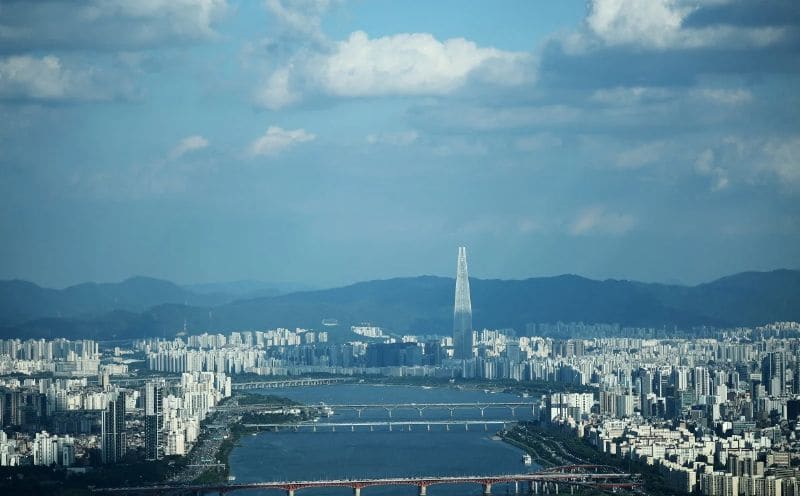
South Korea's Finance Ministry announced Thursday that the likelihood of the economy achieving 3% growth this year has risen substantially, a milestone that would represent the nation's strongest expansion since 2021.
The statement follows an upward revision last month, when the ministry lifted its 2026 forecast to 3.0% from an earlier 2.0% projection. The adjustment marked a dramatic shift in outlook for Asia's fourth-largest economy, which posted just 1.1% growth in 2025.
Breaking a Five-Year Ceiling
If realized, the 3% growth rate would break a pattern of subdued expansion that has characterized South Korea's economy since the pandemic. The country has struggled with weak domestic consumption, elevated household debt levels, and a cooling global semiconductor market - traditionally a key driver of Korean exports.
The finance ministry's increased confidence suggests Seoul sees momentum building across multiple sectors. Semiconductor demand has rebounded in recent quarters, driven by artificial intelligence infrastructure buildouts in North America and China. Export volumes to ASEAN markets have also picked up, particularly in petrochemicals and automotive components.
Domestic factors are shifting as well. The Bank of Korea has maintained an accommodative monetary stance, with benchmark rates held steady to support credit growth. Consumer sentiment indices have climbed for three consecutive months, according to central bank data, while construction activity has stabilized after two years of contraction.
Regional Context
South Korea's revised outlook contrasts with more cautious projections elsewhere in Northeast Asia. Japan's Cabinet Office recently trimmed its 2026 forecast to 1.2%, citing weak yen impacts and sluggish wage growth. Taiwan's Directorate-General of Budget, Accounting and Statistics has held its estimate at 2.8%, noting headwinds from U.S. export controls on advanced chipmaking equipment.
The divergence underscores South Korea's particular exposure to the current technology cycle. Major conglomerates including Samsung Electronics and SK Hynix have reported order backlogs extending into the fourth quarter, with capital expenditure plans for new fabrication facilities accelerating.
Seoul's fiscal policy has also played a role. The government committed 18 trillion won in targeted stimulus earlier this year, focused on green energy infrastructure, semiconductor R&D subsidies, and small-business liquidity support. Those measures are beginning to flow through the economy, according to ministry officials.
What Comes Next
The finance ministry's statement stops short of formally revising the official forecast again, but the language signals confidence in the 3% target. Markets will watch upcoming trade data closely. July export figures, due later this month, will provide the first hard evidence of whether the momentum Seoul anticipates is materializing.
Inflation remains a variable. Consumer prices rose 2.3% year-on-year in June, within the central bank's tolerance band but above the 2% midpoint. If price pressures accelerate, the Bank of Korea may face pressure to tighten policy, potentially dampening the growth trajectory.
For now, South Korea's finance ministry is betting that external demand and domestic policy support will converge to deliver the strongest growth rate since the post-pandemic rebound. Whether that confidence translates into sustained expansion will depend on semiconductor demand holding firm and consumer spending continuing its gradual recovery.
RELATED STORIES
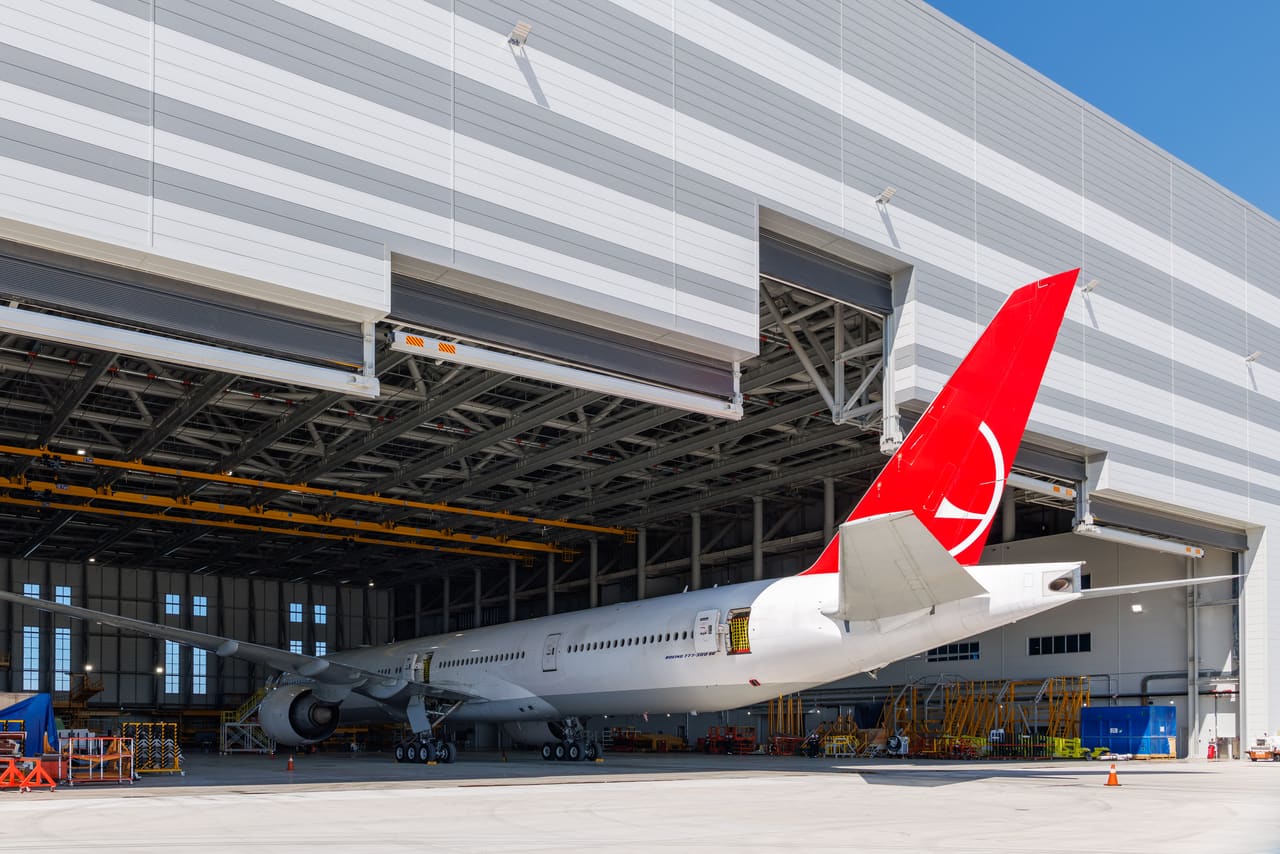
Incheon Airport Launches Korea's First Passenger-to-Freighter Conversion Service
Cheng Wei-Lun · 3 min
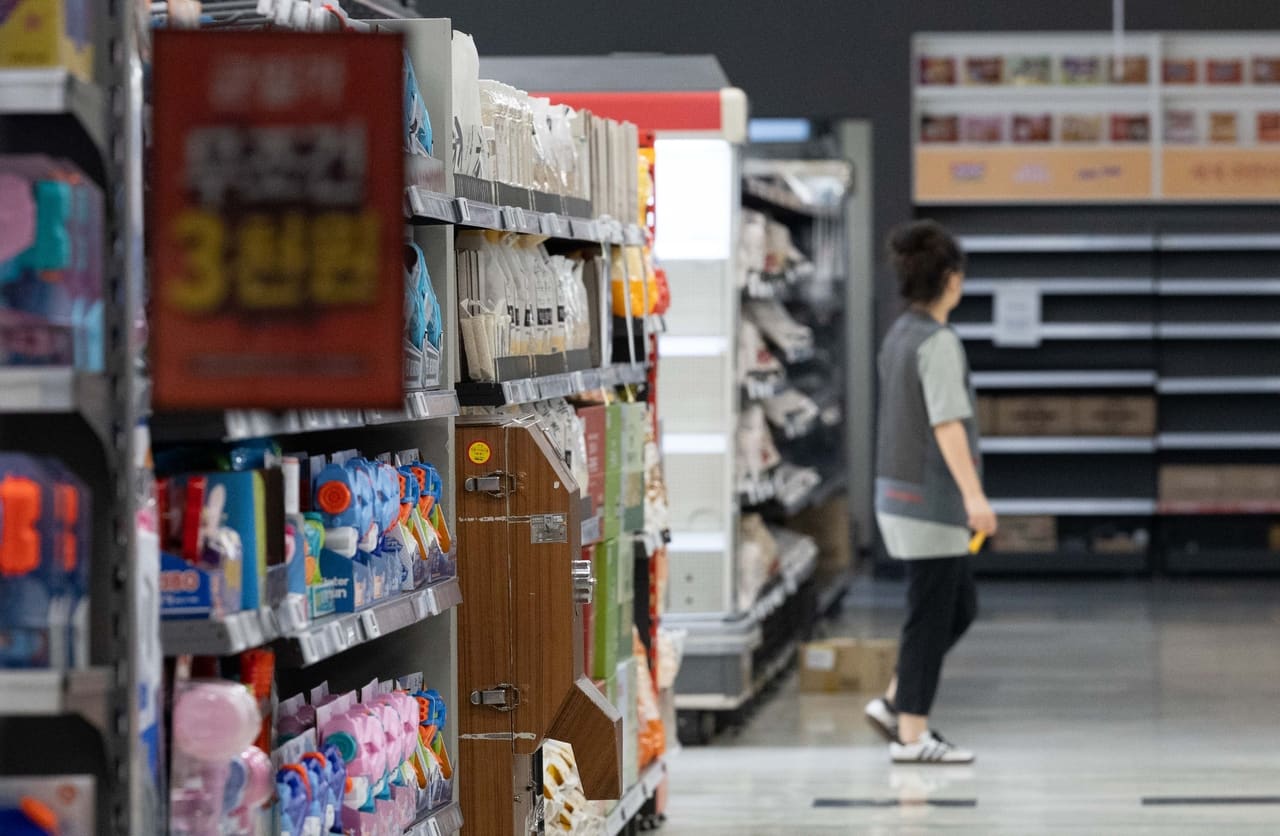
Homeplus Secures Funding and Resumes Operations as Court Deadline Looms
Jun-ho Seo · 4 min
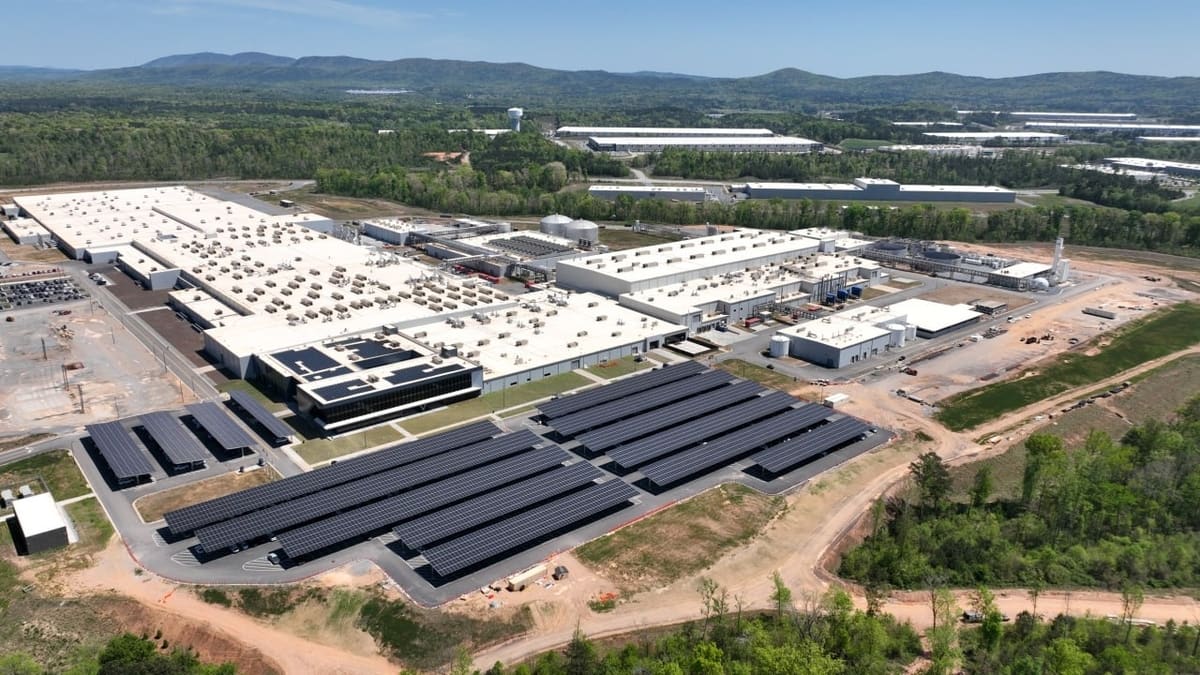
Washington's Polysilicon Tariffs Set to Squeeze Korean Solar Producers
Cheng Wei-Lun · 3 min
South Korea's Food Costs Surge as Summer Heat Ravages Farms
Jun-ho Seo · 5 min
Spot something wrong? Email editor@briefasia.com. We log every correction publicly.