Asia · Politics
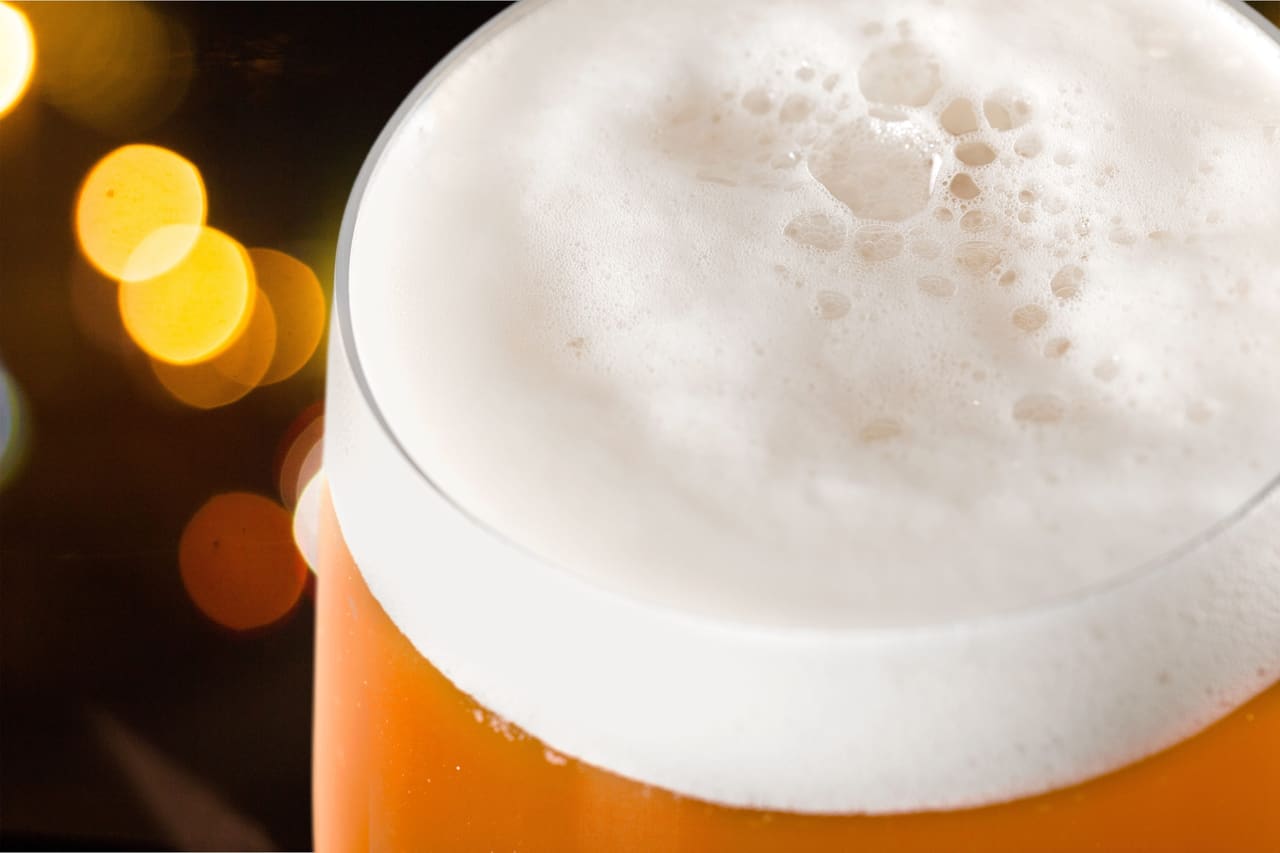
South Korea to End Draft Beer Tax Break as Prices Set to Rise
A six-year tax discount on draft beer will expire in December, pushing costs higher for bars and restaurants across the country
KEY TAKEAWAYS
- ·South Korea will end a 20 percent tax discount on draft beer in December 2026, reverting to the full excise rate of 885,700 won per kiloliter.
- ·The discount was introduced in 2020 as pandemic relief for the hospitality sector and will not be extended under the 2026 tax reform package.
- ·Bars and restaurants are expected to pass the higher tax costs to consumers, with draft beer prices likely rising in early 2027.
Tax Relief Ends After Six Years
South Korea's Ministry of Economy and Finance confirmed that the temporary tax discount on draft beer will sunset at the close of 2026, according to the government's latest tax reform package. The 20 percent reduction, introduced in 2020, will not be renewed, meaning draft beer will return to the standard excise rate starting January 2027.
The policy shift affects thousands of bars, pubs, and restaurants that rely on draft beer as a core revenue stream. With the discount eliminated, operators will face a sharp jump in their cost base at a time when margins remain under pressure from rising wages and ingredient costs.
Volume-Based Tax Structure
South Korea calculates beer excise using a volume metric rather than a price-based ad valorem system. Standard beer currently carries a tax of 885,700 won per kiloliter, equivalent to roughly $600 at current exchange rates. Draft beer has enjoyed a 20 percent haircut since the discount took effect six years ago, lowering the effective rate to approximately 708,560 won per kiloliter.
That discount was part of a broader package of consumption-tax relief measures rolled out during the early stages of the COVID-19 pandemic, designed to support the hospitality industry as foot traffic collapsed. With the economy now stabilized and tax revenues under scrutiny, the Ministry of Economy and Finance has opted not to extend the relief.
Price Pass-Through Expected
Industry observers anticipate that the full tax burden will flow through to consumers. Draft beer prices at bars and restaurants are likely to rise by a corresponding margin, though the exact increase will depend on how individual operators absorb or distribute the added cost.
The timing is delicate. South Korea's hospitality sector has only recently returned to pre-pandemic activity levels, and inflation in food and beverage categories remains elevated. A price hike on one of the most popular drink categories could dampen demand, particularly among younger consumers who are already cutting discretionary spending.
Regional Implications
The decision also highlights a broader trend across Asia, where governments are reassessing pandemic-era tax concessions as fiscal balances tighten. Japan, Thailand, and Vietnam have all rolled back temporary VAT cuts or excise holidays introduced during 2020 and 2021, prioritizing revenue stability over continued stimulus.
South Korea's move is notable because it targets a specific product category rather than a blanket consumption tax. That granularity reflects the government's attempt to recalibrate support without triggering a broad-based consumer backlash, though the optics of higher beer prices may still prove politically sensitive.
What Comes Next
The Ministry of Economy and Finance has not indicated any plans to introduce alternative support measures for the hospitality sector. Operators will need to navigate the new cost structure without offsetting relief, likely accelerating the shift toward premium pricing strategies or private-label offerings that carry higher margins.
For consumers, the practical impact will become visible in early 2027 as venues adjust their menus. The scale of the increase will depend on competitive dynamics and whether large chains opt to absorb some of the tax hit to maintain volume. Smaller independent operators, however, will have less room to maneuver and are expected to pass the full cost through to patrons.
RELATED STORIES
Incheon Airport Launches Korea's First Passenger-to-Freighter Conversion Service
Cheng Wei-Lun · 3 min
Homeplus Secures Funding and Resumes Operations as Court Deadline Looms
Jun-ho Seo · 4 min
Washington's Polysilicon Tariffs Set to Squeeze Korean Solar Producers
Cheng Wei-Lun · 3 min
South Korea's Food Costs Surge as Summer Heat Ravages Farms
Jun-ho Seo · 5 min
Spot something wrong? Email editor@briefasia.com. We log every correction publicly.