Asia · Business
South Korea's Economy Gains Momentum on Export Surge and Consumer Spending
Seoul's finance ministry reports strengthening recovery despite Middle East conflict and persistent inflation pressures
KEY TAKEAWAYS
- ·South Korea's Ministry of Finance and Economy reported strengthening economic recovery driven by robust export performance and improving domestic consumption.
- ·Middle East conflict has elevated oil prices, creating inflationary pressures that particularly affect lower-income households and small businesses.
- ·Vulnerable worker groups and certain sectors continue facing difficult employment conditions despite overall labor market stability.
Recovery Takes Hold
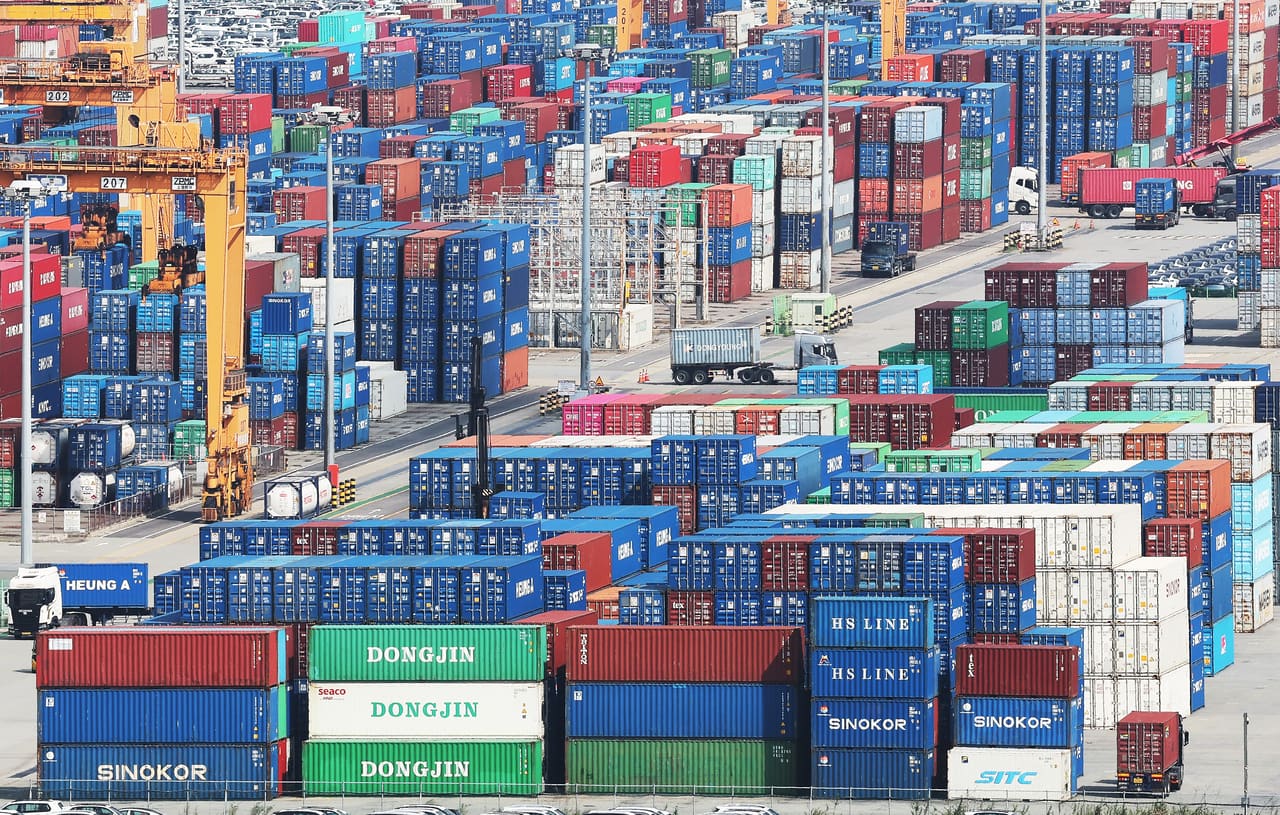
South Korea's economic rebound is gathering pace, fueled by a combination of strong export performance and a pickup in household spending, according to the Ministry of Finance and Economy. The ministry's monthly economic assessment, released Friday, signals growing confidence in the trajectory of Asia's fourth-largest economy even as external headwinds persist.
The strengthening recovery marks a shift for an economy that has navigated global supply chain disruptions, softening demand from key trading partners, and domestic consumption challenges over the past year. Export growth, long a cornerstone of South Korea's economic model, appears to be regaining its footing as global demand stabilizes and Korean manufacturers maintain their competitive edge in semiconductors, automobiles, and industrial equipment.
Domestic consumption, which had lagged during earlier phases of recovery, is now showing signs of life. Household spending patterns suggest rising consumer confidence, though the gains remain uneven across income brackets and demographic groups. The improvement in consumption provides a crucial second pillar for growth, reducing the economy's reliance on external demand alone.
Persistent Headwinds
Despite the positive momentum, the ministry's Green Book assessment acknowledged significant challenges that continue to weigh on economic conditions. Ongoing conflict in the Middle East has created uncertainty in global energy markets, pushing oil prices higher and feeding through to broader inflationary pressures across the Korean economy.
Higher fuel costs affect not only transportation and logistics but also manufacturing input costs, squeezing margins for companies and eroding purchasing power for households. The ministry noted that these inflationary burdens are particularly acute for lower-income families and small businesses operating on thin margins.
Labor market conditions present another area of concern. While headline employment figures have held relatively steady, vulnerable populations and certain economic sectors continue to face difficult hiring environments and wage pressures. Youth unemployment, a persistent structural issue in South Korea, remains elevated compared to overall jobless rates. Workers in service sectors dependent on consumer foot traffic have seen slower recovery in hours and earnings compared to those in export-oriented manufacturing.
Regional Context
South Korea's recovery trajectory reflects broader patterns across Northeast Asia, where export-dependent economies are benefiting from stabilizing global demand while grappling with energy costs and geopolitical uncertainty. The performance stands in contrast to some Southeast Asian economies still working through post-pandemic supply chain recalibrations and domestic policy adjustments.
The Korean won's stability against major currencies has supported both import costs and export competitiveness, providing a backdrop for the dual-engine recovery in trade and consumption. Currency movements remain a key variable as central banks across the region navigate divergent monetary policy paths.
The ministry's assessment will inform policy discussions in Seoul as officials weigh the pace of any further economic support measures against inflation risks and fiscal sustainability. Maintaining export momentum while supporting domestic demand presents a balancing act for policymakers, particularly as global economic conditions remain uncertain.
The Green Book's tone suggests cautious optimism, recognizing genuine progress while keeping attention on vulnerabilities that could derail the recovery if external shocks intensify or domestic consumption falters. For now, the dual drivers of exports and spending are moving in the right direction, even as challenges persist.
RELATED STORIES
South Korea's Import Prices Drop 1% in July on Currency Strength and Lower Oil
Cheng Wei-Lun · 2 min

South Korean Memory Exports Jump Nearly 280% While System Chips Stall
Cheng Wei-Lun · 3 min
TerraPower and SK Innovation Strike SMR Deal as Asia Eyes Nuclear Renaissance
Cheng Wei-Lun · 3 min
Seoul Doubles Construction Financing to $34 Billion as Housing Costs Squeeze Young Buyers
Jun-ho Seo · 4 min
Spot something wrong? Email editor@briefasia.com. We log every correction publicly.