Finance · Deals
SoftBank Adds 21 Lenders to $40 Billion Facility Backing OpenAI Investment
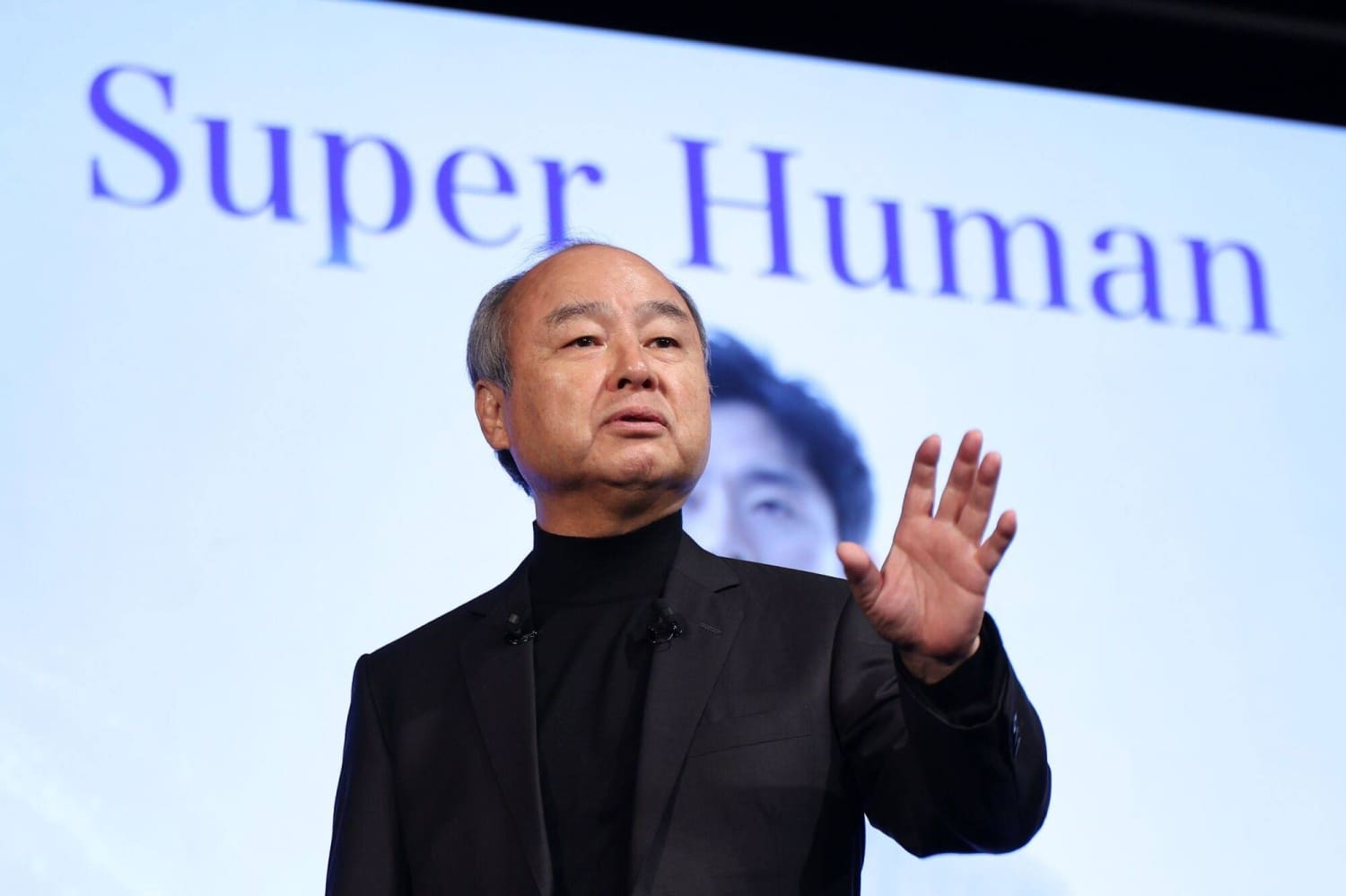
The expanded syndicate underscores institutional appetite for AI exposure as Masayoshi Son's total OpenAI commitment crosses $60 billion
KEY TAKEAWAYS
- ·SoftBank has added 21 financial institutions to a $40 billion credit facility supporting its OpenAI stake, expanding the lending syndicate.
- ·Masayoshi Son's total commitment to OpenAI now exceeds $60 billion, combining equity, future capital pledges, and structured financing.
- ·The expanded syndicate reflects growing institutional appetite for AI exposure and distributes risk across a broader base of lenders.
Syndicate Expansion Signals Institutional Confidence
SoftBank has expanded the lending syndicate behind its $40 billion credit facility by adding 21 new financial institutions, according to people familiar with the matter. The facility supports the Japanese conglomerate's escalating investment in OpenAI, the artificial intelligence company behind ChatGPT.
The expanded group of lenders reflects growing institutional willingness to finance large-scale AI bets, even as the technology's commercial returns remain uncertain. SoftBank founder and CEO Masayoshi Son has publicly committed to an "all in" strategy on OpenAI, with total pledges now exceeding $60 billion across equity and structured financing.
The credit facility allows SoftBank to leverage its balance sheet without immediately liquidating other assets. By bringing in additional banks, SoftBank distributes risk across a wider base while securing committed capital for future tranches of its OpenAI position.
Son's Concentrated AI Wager
Son's commitment to OpenAI represents one of the most concentrated bets by a major institutional investor on a single AI company. The $60 billion figure encompasses direct equity stakes, committed capital for future funding rounds, and structured instruments tied to OpenAI's valuation trajectory.
SoftBank has been reshaping its portfolio to prioritize artificial intelligence, divesting stakes in legacy holdings and redirecting proceeds toward generative AI opportunities. The OpenAI investment sits at the center of this reorientation, alongside smaller positions in AI infrastructure and application-layer startups.
The scale of Son's commitment has drawn attention from shareholders and analysts, particularly given SoftBank's history of volatile returns from concentrated positions. The company's Vision Fund suffered significant markdowns during the 2022 tech downturn, raising questions about risk management in its latest AI push.
Financing Structure and Risk Distribution
The $40 billion facility operates as a revolving credit line, giving SoftBank flexibility to draw down capital as OpenAI conducts funding rounds or as valuation milestones are met. The addition of 21 lenders suggests the original syndicate has been oversubscribed or that SoftBank sought to reduce individual bank exposure limits.
Banks participating in large AI-linked facilities typically structure terms around valuation triggers, liquidity events, or revenue milestones. While specific covenants in the SoftBank facility have not been disclosed, such arrangements often include step-down provisions tied to OpenAI's path toward profitability or an eventual public listing.
For lenders, the facility offers exposure to the AI sector through a creditworthy counterparty. SoftBank's balance sheet, anchored by its stake in Alibaba and other liquid holdings, provides collateral backing even as the underlying OpenAI investment carries execution risk.
Asia's Role in the AI Capital Race
SoftBank's aggressive positioning in OpenAI highlights Asia's growing role in financing the global AI buildout. While much of the compute infrastructure and model development remains concentrated in the United States, capital from Tokyo, Seoul, and sovereign wealth funds across the Gulf and Southeast Asia is flowing into equity and debt instruments tied to leading AI companies.
The expanded lending syndicate likely includes Japanese megabanks alongside international institutions seeking AI exposure. Japan's major financial groups have been vocal about increasing technology lending, particularly in sectors aligned with government industrial policy priorities.
Son has framed his OpenAI bet as part of a broader vision for artificial general intelligence, a long-term thesis that extends beyond near-term revenue multiples. Whether the expanded syndicate shares that time horizon or is banking on nearer-term liquidity events will shape how the facility evolves as OpenAI's valuation and business model mature.
What Comes Next
The addition of 21 lenders provides SoftBank with enhanced financial flexibility as OpenAI navigates its next phase of scaling. The company is widely expected to pursue additional funding rounds in the coming quarters, and SoftBank's committed capital positions it to maintain or increase its ownership stake.
Market observers will watch whether other institutional investors follow SoftBank's lead with comparably sized commitments, or whether Son's concentrated approach remains an outlier. The lending syndicate's willingness to expand suggests at least some confidence that OpenAI's trajectory justifies the scale of capital being deployed.
RELATED STORIES

Japan Wage Growth Hits 29-Year High, Reinforcing Central Bank Rate Path
Aiko Nakamura · 3 min
SoftBank Prices ¥1 Trillion Retail Bond in Largest Offering Since 2020
Aiko Nakamura · 3 min
ABN Amro Clearing to Break Into Japan's Power Futures Market
Tran Quoc Bao · 3 min
Bank of Japan Signals Possible Rate Increase This Month
Aiko Nakamura · 3 min
Spot something wrong? Email editor@briefasia.com. We log every correction publicly.