Finance · Deals
SK Inc. Offloads Semiconductor Wafer Unit to Doosan for $1.6 Billion
South Korea's conglomerate pivot accelerates as Doosan acquires controlling stake in SK Siltron, marking one of the year's largest industrial deals in the region
KEY TAKEAWAYS
- ·SK Inc. is selling its 70.6 percent stake in SK Siltron to Doosan Corp. for 2.3 trillion won, or roughly $1.6 billion, following board approval on Friday.
- ·The transaction enables SK to redirect capital toward AI, battery technology, and green hydrogen ventures as it exits legacy industrial assets.
- ·Doosan gains a foothold in semiconductor materials amid South Korean government efforts to strengthen domestic chip supply chains and reduce foreign dependence.
Deal Structure and Approval
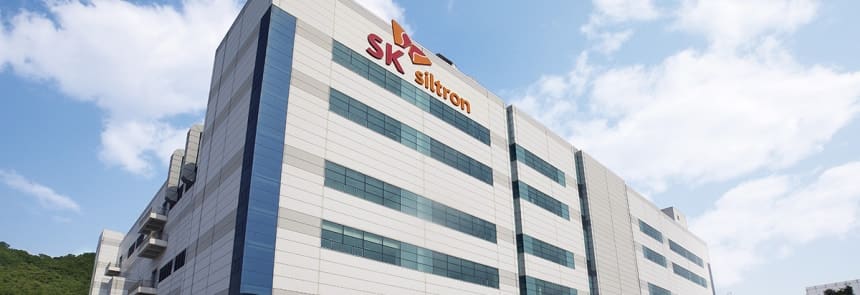
SK Inc. has finalized the terms to divest its controlling position in SK Siltron, a semiconductor wafer manufacturer, to Doosan Corp. in a transaction valued at approximately 2.3 trillion won. The board authorized the disposal of a 70.6 percent ownership block on Friday, according to SK Inc., setting the stage for both parties to execute a share purchase agreement in the coming weeks.
Doosan emerged as the lead contender for the asset last December following a competitive bidding process. The stake being transferred includes a 51 percent direct holding by SK Inc., with the remainder held through affiliated entities within the group's structure.
Strategic Realignment
The divestment forms part of a broader capital reallocation strategy at SK Inc., which has been shedding legacy industrial assets to fund ventures in artificial intelligence, battery technology, and green hydrogen. The conglomerate has faced pressure from investors to streamline its portfolio and improve returns, particularly as margins in traditional manufacturing segments have compressed.
SK Siltron produces silicon wafers used in power semiconductors and automotive chips, a segment that experienced rapid demand growth during the pandemic-era chip shortage but has since cooled as inventories normalized. The unit reported uneven earnings over the past two years, with fluctuations tied to pricing cycles in the global wafer market.
For Doosan, the acquisition represents a significant expansion into semiconductor materials at a time when South Korea is investing heavily in domestic chip supply chains. The conglomerate, historically concentrated in heavy machinery and energy infrastructure, has been diversifying into higher-margin technology sectors. Doosan's leadership has signaled interest in participating in government-backed initiatives to bolster local semiconductor production capacity, and the Siltron acquisition positions the group closer to that ecosystem.
Regional Context
The transaction arrives amid heightened activity in Asia's semiconductor M&A landscape. Governments across the region - from Tokyo to Taipei to Seoul - have introduced subsidies and policy incentives to reduce reliance on foreign wafer and equipment suppliers. South Korea's Ministry of Trade, Industry and Energy has earmarked funding to support local wafer fabrication, and private capital has followed.
Doosan's move mirrors similar plays by Japanese and Taiwanese industrials seeking vertical integration in chip materials. The company is expected to leverage Siltron's existing manufacturing footprint, which includes facilities in South Korea and the United States, to serve both domestic and export markets.
Financial Implications
The $1.6 billion in proceeds will bolster SK Inc.'s balance sheet as it prepares for capital-intensive projects in energy storage and AI infrastructure. Analysts note that the sale price reflects a modest premium to Siltron's recent market valuation, suggesting Doosan sees upside in operational improvements or synergies with its existing businesses.
SK Inc. has not disclosed the exact allocation of the sale proceeds, but executives have previously outlined plans to increase investments in battery joint ventures and data center projects across Southeast Asia. The company is also exploring partnerships in hydrogen production, targeting export markets in Japan and Australia.
Doosan, meanwhile, will need to integrate a business that operates in a cyclical industry with exposure to global chip demand swings. The wafer segment's profitability depends heavily on utilization rates at semiconductor fabs, which can shift quickly based on end-market conditions in automotive, consumer electronics, and industrial applications.
Next Steps
The share purchase agreement is expected to be signed within the next month, subject to customary regulatory approvals from South Korea's Fair Trade Commission. Antitrust review is anticipated to be straightforward given limited overlap between Doosan's core businesses and Siltron's wafer operations.
Closing is targeted for the fourth quarter of this year, pending clearance from competition authorities and finalization of financing arrangements. Doosan has indicated it will fund the acquisition through a combination of internal cash reserves and debt facilities arranged with domestic banks.
Industry observers will be watching how Doosan manages the transition and whether it can extract cost efficiencies or expand Siltron's customer base. The deal also sets a benchmark for valuations in the semiconductor materials sector, a space that has seen uneven investor interest as the broader chip cycle matures.
RELATED STORIES
Samsung Electronics Drops 8% as Market Questions Buyback Strategy
Cheng Wei-Lun · 2 min
Samsung Biologics Plans $2.2 Billion Rights Offering to Fund Peptide Acquisition
Jun-ho Seo · 3 min
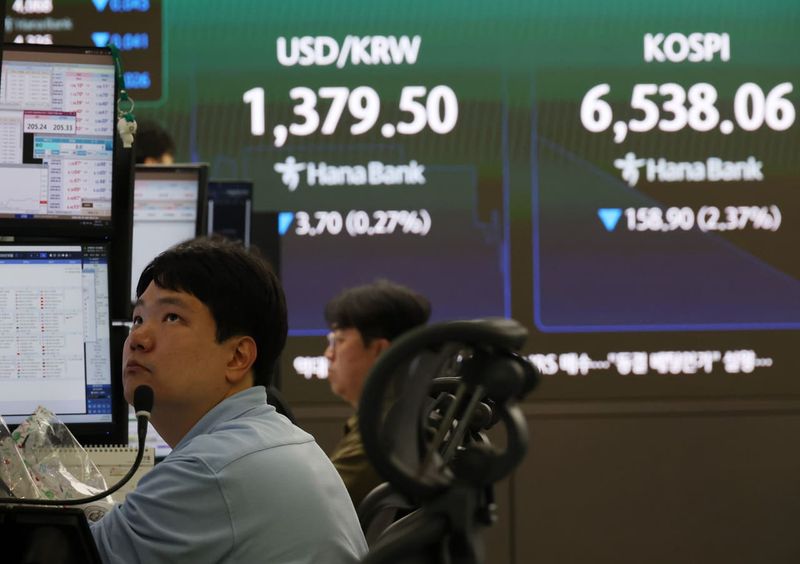
Seoul Markets Tumble as Tech Selloff Ripples Across Asia
Cheng Wei-Lun · 3 min
South Korea Extends Trading Hours to Attract Foreign Capital
Anand Sundaram · 2 min
Spot something wrong? Email editor@briefasia.com. We log every correction publicly.