Real Estate · Land
Singapore's En Bloc Market Stirs as Kingsford Group Closes S$950 Million Warehouse Deal
The Tan Boon Liat Building acquisition marks the city-state's largest collective sale this year, signaling renewed developer appetite for aging property redevelopment
KEY TAKEAWAYS
- ·Kingsford Group acquired freehold Tan Boon Liat Building for S$950 million in Singapore's largest collective sale transaction of 2026, according to Cushman & Wakefield.
- ·The industrial site at Outram Road and Zion Road will be redeveloped into a residential-led project, optimizing land use in a central district where freehold tenure is scarce.
- ·The deal signals renewed developer appetite for well-located aging properties despite higher borrowing costs and regulatory hurdles that have dampened en bloc activity in recent years.
Largest Transaction of the Year
Kingsford Group closed a S$950 million acquisition of the freehold Tan Boon Liat Building last month, marking Singapore's largest collective sale transaction in 2026. Cushman & Wakefield confirmed the deal's position at the top of this year's en bloc activity, a market segment that has seen uneven momentum since pandemic-era regulatory tightening and interest rate volatility reshaped developer calculations.
The industrial warehouse and showroom property sits at the intersection of Outram Road and Zion Road, a location that permits residential-led redevelopment under current zoning. For Kingsford Group, the site offers a rare freehold tenure in a central district where such assets have become increasingly scarce. The developer will demolish the existing structure and replace it with a residential project, tapping into demand from buyers seeking proximity to the Central Business District and established amenities in the Outram-Tiong Bahru corridor.
Why Collective Sales Matter for Singapore
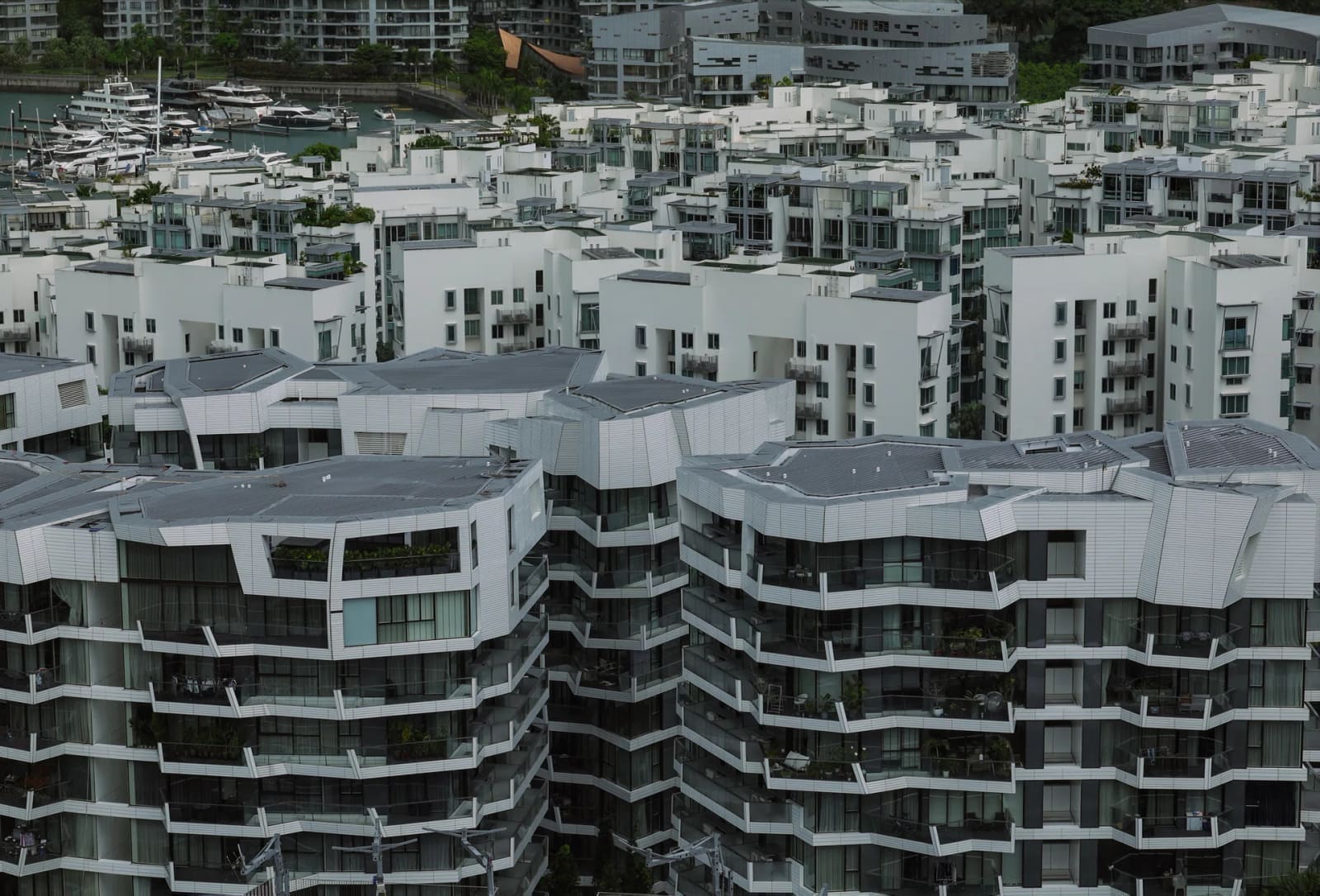
Singapore's private non-landed housing stock is aging. Thousands of condominium units built in the 1980s and 1990s are approaching or have passed the 30-year mark, when maintenance costs rise sharply and facilities begin to show wear. For unit owners in these developments, collective sales present one of the few practical exit routes that deliver capital appreciation without the burden of individual property marketing in a crowded resale market.
A vibrant en bloc market serves a dual purpose. It allows aging buildings to be replaced with modern developments that meet current building codes, energy efficiency standards, and buyer expectations. At the same time, it optimizes land use in a city-state where developable land is finite and every plot must justify its footprint. Redevelopment typically increases residential density, adding housing supply in established neighborhoods where infrastructure already exists.
The collective sale mechanism also redistributes capital. Owners of older units receive payouts that often exceed market resale values, enabling them to upgrade or diversify their holdings. Developers gain access to large, well-located sites without the fragmentation risk of land assembly. The government benefits from higher land productivity and updated building stock that aligns with urban planning goals.
Market Dynamics in 2026
The Tan Boon Liat transaction arrives after a period of subdued collective sale activity. Higher borrowing costs and additional buyer's stamp duty tiers introduced in recent years dampened developer appetite, while owners in many aging condominiums struggled to achieve the consensus thresholds required under Singapore's Land Titles (Strata) Act. A collective sale requires agreement from 80 percent of owners by share value and unit count for developments older than ten years, a bar that can be difficult to clear when unit owners have divergent financial situations and risk tolerances.
Yet the Kingsford deal suggests that well-located, freehold assets with clear redevelopment potential can still command premium pricing. The S$950 million price tag reflects confidence that the site can support a residential project with margins sufficient to absorb land cost, construction expenses, and regulatory fees, including the Additional Buyer's Stamp Duty that applies to developers acquiring residential land.
Industrial sites approved for residential conversion have been particularly attractive in recent quarters. These properties often sit on generous plots in mature estates, offering scale that smaller residential en bloc sites cannot match. The Tan Boon Liat Building's position near the Outram Park MRT interchange and the redeveloped Cantonment Road precinct adds to its appeal.
What Comes Next
The success of high-profile transactions like the Tan Boon Liat sale often catalyzes renewed interest across the en bloc market. Owners of aging developments in similar locations may revisit collective sale discussions, encouraged by evidence that developers remain willing to pay for well-positioned sites. Sales committees in older condominiums along the city fringe and in mature estates such as Marine Parade, Katong, and Toa Payoh are likely to take note.
For developers, the calculus remains complex. They must weigh land cost against anticipated selling prices for new units, a spread that has narrowed as construction costs have risen and buyer sentiment has turned cautious. Projects launched in the current cycle face longer sales timelines and greater price sensitivity, particularly in the mass-market segment. Freehold tenure and central locations offer some insulation, but even premium sites require disciplined underwriting.
The government's stance on en bloc activity will also shape the market's trajectory. Policymakers have historically viewed collective sales as a tool for urban renewal, but concerns about displacement and affordability have prompted calls for tighter regulations. Any adjustments to consensus thresholds, stamp duty treatment, or redevelopment guidelines could accelerate or slow the pace of transactions in the quarters ahead.
For now, the Tan Boon Liat deal stands as a benchmark. It confirms that Singapore's en bloc market retains the capacity to transact at scale when the fundamentals align: location, tenure, redevelopment potential, and developer conviction. Whether this transaction marks the start of a broader revival or remains an isolated highlight will depend on how those fundamentals evolve through the rest of 2026.
RELATED STORIES
Singapore Property Owners Weigh Adaptive Reuse Against Upgrades for Aging Stock
Lim Hui Ying · 3 min
Hong Leong and GuocoLand Bid $450 Million for Waterfront Site in Singapore
Priyanka V. Rao · 3 min
Deloitte's Move to Orchard Central Signals Growing Corporate Interest in Singapore's Shopping District
Lim Hui Ying · 4 min
Hong Kong Commercial Property Investment Surges 129% in Q2
Cheng Wei-Lun · 3 min
Spot something wrong? Email editor@briefasia.com. We log every correction publicly.