Real Estate · Offices
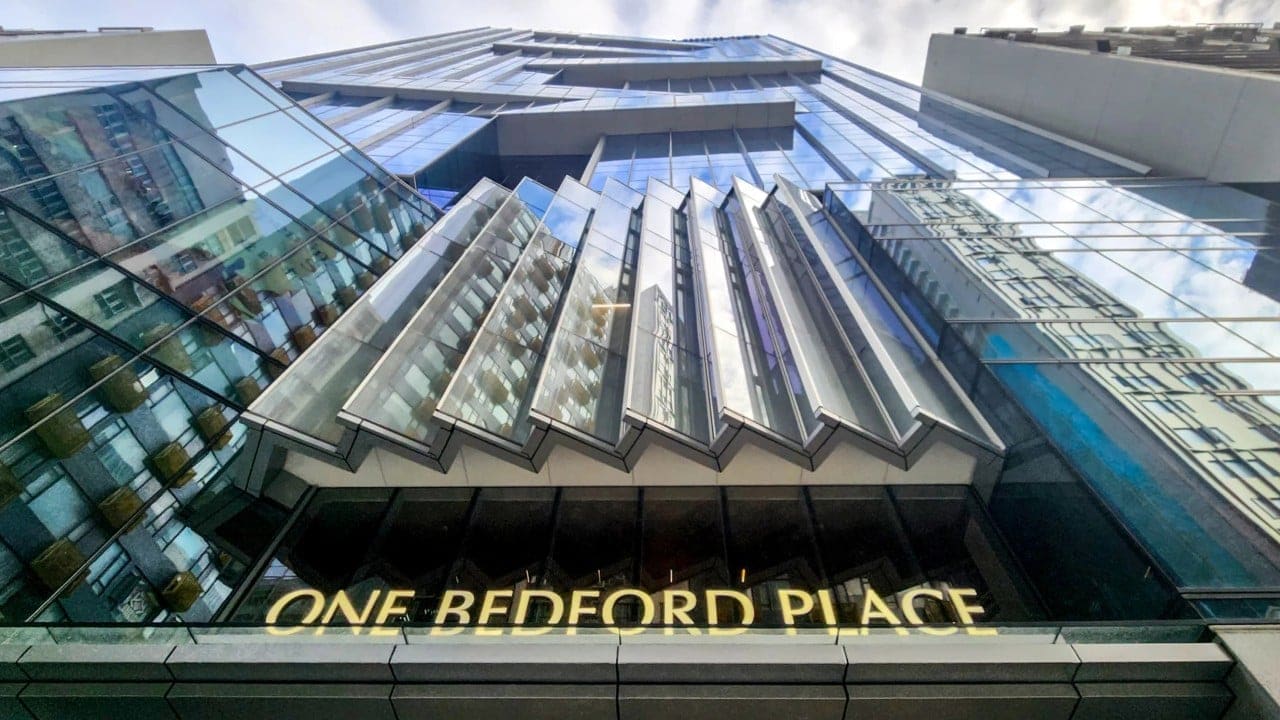
Hong Kong Commercial Property Investment Surges 129% in Q2
The city's property market outpaced Singapore and Australia as retail and office transactions climbed from a year-ago low
KEY TAKEAWAYS
- ·Hong Kong's commercial property investment reached $3.1 billion in Q2 2026, a 129 percent year-on-year increase that led Asia-Pacific markets.
- ·Retail and office transactions drove the growth, amplified by comparison to weak Q2 2025 volumes when deal flow slowed amid rate uncertainty.
- ·Singapore posted 108 percent growth and Australia 82 percent, while Tokyo and Seoul saw single-digit gains as investors remained cautious.
Investment Activity Rebounds Sharply
Hong Kong recorded $3.1 billion in commercial property investment during the second quarter of 2026, according to JLL. The figure represents a 129 percent increase compared to the same period in 2025, placing the city ahead of regional peers in year-on-year growth rates.
The surge reflects heightened activity in both retail and office segments, combined with comparisons against subdued transaction volumes twelve months earlier. Singapore followed with 108 percent growth in the same period, while Australia posted an 82 percent gain, data from the property consultancy showed.
Retail and Office Deals Drive Volume
Transaction momentum concentrated in two segments. Retail property deals attracted renewed capital as investors reassessed valuations following earlier corrections in the sector. Office transactions also picked up, supported by appetite for Grade A buildings in core districts where vacancy rates have stabilized.
The low base effect from Q2 2025, when deal flow slowed amid interest rate uncertainty and geopolitical concerns, amplified the percentage gain. Actual dollar volumes in Hong Kong remain below pre-pandemic peaks, but the quarterly increase signals improving sentiment among institutional buyers and family offices active in the city.
Regional Context
Across Asia-Pacific, commercial property investment showed uneven recovery patterns in the first half of 2026. Singapore's triple-digit growth stemmed largely from several large-ticket strata office sales and an industrial portfolio transaction that closed in April. Australia's increase came from offshore capital targeting logistics assets in Sydney and Melbourne, where cap rates have compressed on supply constraints.
Tokyo and Seoul, by contrast, saw modest single-digit gains as domestic pension funds remained cautious on deployment. Mainland Chinese investors, once dominant buyers of Hong Kong commercial assets, have scaled back cross-border acquisitions this year in favor of domestic opportunities in tier-one cities.
Market Outlook
JLL expects transaction volumes in Hong Kong to maintain positive momentum through the second half of 2026, though growth rates will moderate as the base effect normalizes. Office landlords with expiring leases are testing sale options, which could add inventory to the market. Retail landlords in tourist-heavy districts are also exploring recapitalization strategies as visitor arrivals from mainland China stabilize near pre-2019 levels.
Interest rate trajectories remain a key variable. Any further easing by the Federal Reserve would likely support cap rate compression in Hong Kong, given the currency peg. Conversely, a pause in cuts could temper buyer appetite, particularly for assets requiring significant capital expenditure.
Capital Sources
Local family offices and private equity funds accounted for the majority of Q2 transactions, with sovereign wealth funds participating in two notable office deals. Cross-border capital from the Middle East, which had been active in Hong Kong real estate in 2024 and early 2025, pulled back in Q2 as those investors shifted attention to data center and logistics plays in Southeast Asia.
The mix of buyers suggests a bifurcated market. Core assets in Central and Admiralty continue to draw competitive bidding, while secondary buildings in decentralized business districts face weaker demand and wider bid-ask spreads. Lenders have tightened loan-to-value ratios for non-core properties, further constraining deal flow in that segment.
Hong Kong's performance in the second quarter underscores how quickly capital can return to established gateway markets when pricing adjusts and macroeconomic conditions stabilize. Whether the pace holds will depend on lease renewals, tenant demand, and the broader direction of Asia-Pacific allocations by global institutional investors.
RELATED STORIES
McDonald's Sells Nearly Half Its Hong Kong Property Portfolio in Sluggish Market
Priyanka V. Rao · 3 min
Hang Lung Properties Appoints Toys 'R' Us Asia Chief as New CEO
Cheng Wei-Lun · 3 min
McDonald's Unloads Hong Kong Retail Assets at Premium Amid Market Freeze
Priyanka V. Rao · 3 min
Abandoned Cinema on Hong Kong's Peng Chau Island Heads to Auction at $1 Million
Cheng Wei-Lun · 3 min
Spot something wrong? Email editor@briefasia.com. We log every correction publicly.