Real Estate · Offices
McDonald's Unloads Hong Kong Retail Assets at Premium Amid Market Freeze
The fast-food chain has sold 11 of 23 properties for over $700 million, drawing high-net-worth buyers with stable yields while the broader shop market remains 50% below pre-pandemic peaks.
KEY TAKEAWAYS
- ·McDonald's has sold 11 of 23 Hong Kong retail properties for more than $703 million since July 2025, using sale-and-leaseback agreements with leases up to 20 years.
- ·The transactions offered yields above 6% and attracted high-net-worth buyers including Ng Yin and Chang Yen-hsu, despite the broader shop market trading 50% below pre-pandemic peaks.
- ·Several properties remain unsold including the flagship Star House location, with larger ticket sizes narrowing the buyer pool in a market that completed only 379 shop transactions in the first half of 2026.
Sale-and-Leaseback Strategy Finds Buyers in Frozen Market
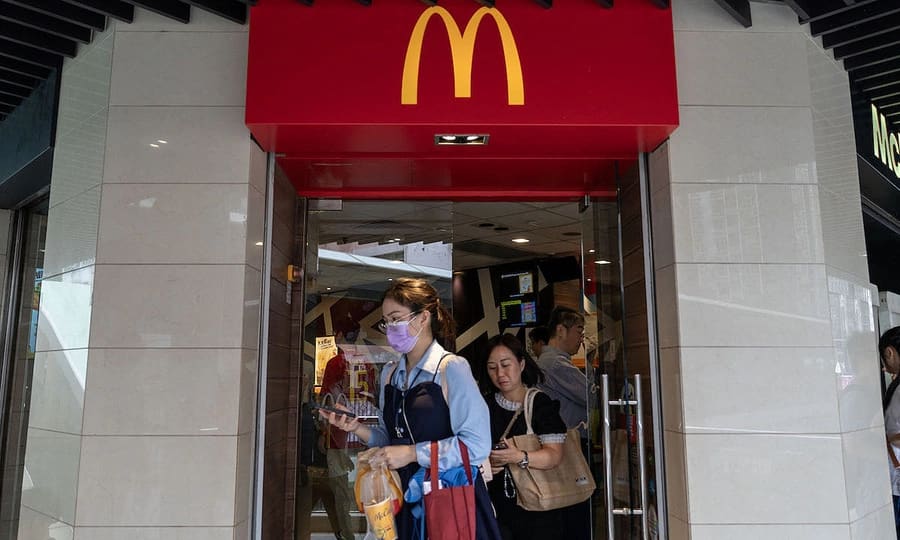
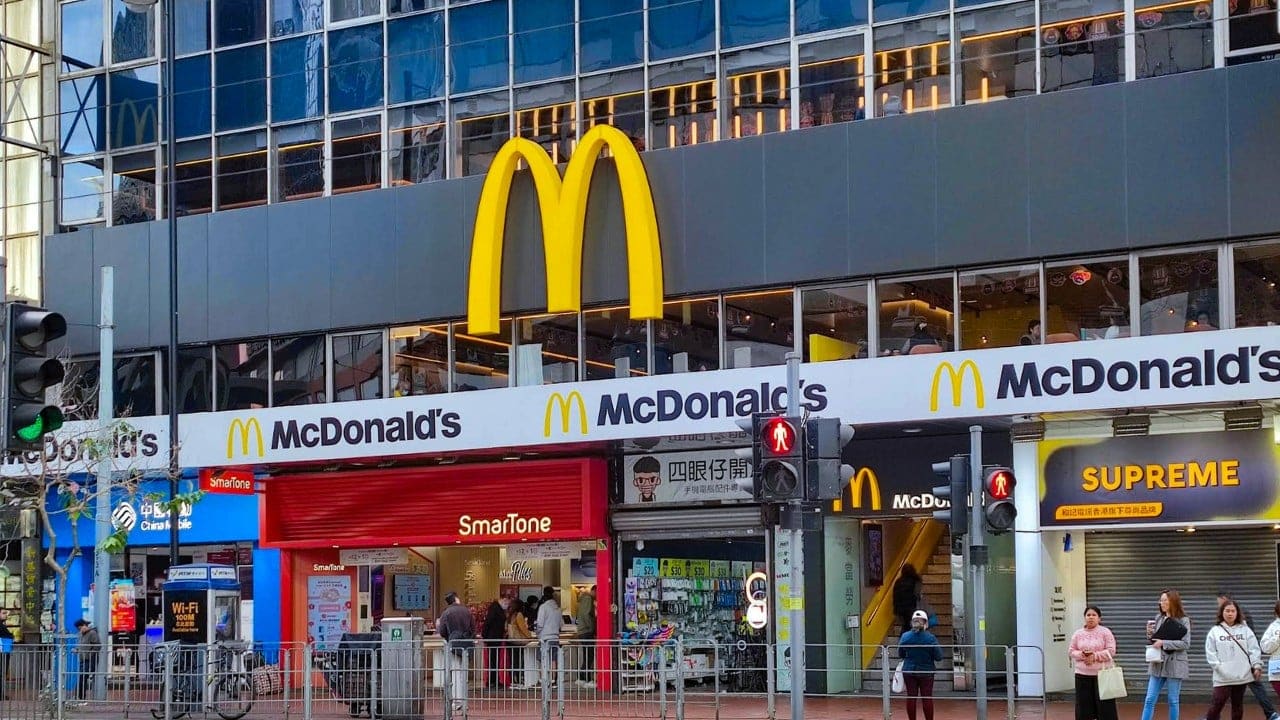
McDonald's has completed the sale of 11 retail properties in Hong Kong for more than HKD900 million ($703 million), moving nearly half of a 23-property portfolio even as the city's shop market trades more than 50% below pre-pandemic valuations.
The fast-food operator launched the disposal plan through property consultancy JLL in July 2025, offering buildings acquired during its expansion in the 1980s and early 1990s. The properties were structured as sale-and-leaseback transactions, allowing McDonald's to continue operating restaurants under leases of up to 20 years while unlocking decades of capital appreciation.
Five properties sold last year, with six more completed in 2026. The pace contrasts sharply with the broader retail property market, where transactions for assets valued above HKD50 million have stalled. According to Centaline Commercial, only 379 shop deals closed in the first half of 2026, little changed from the prior year.
Eunice Tang, executive director of capital markets at JLL, said the transactions reflected demand for assets with specific characteristics rather than a broader market recovery. Prime locations backed by stable tenants continued to attract capital despite the downturn, she noted.
Yields Above 6% Draw Family Offices and Private Wealth
Most of the McDonald's properties offered initial rental yields exceeding 6%, providing income stability as rents and capital values remain under pressure across Hong Kong's retail sector. The buyer pool included high-net-worth individuals, family offices, and experienced private investors.
Local investor Ng Yin acquired three properties worth a combined HKD300 million. Veteran investor Chang Yen-hsu, known in Hong Kong property circles as "Taiwan's Chang," purchased two. Malaysian developer MB World Group and private investors from mainland China also participated, according to Land Registry and Companies Registry records.
The properties were held by MCD Real Properties, a company linked to McDonald's U.S. parent. The entity retained ownership after the operating business was sold to a Citic Capital-led consortium in 2017. McDonald's operates approximately 256 restaurants across Hong Kong, most in rented spaces; the asset sales do not affect restaurant operations.
Phased Release Avoids Market Flood
Stanley Poon, managing director at Centaline Commercial, attributed the disposal success to both property quality and the decision to release assets in phases rather than all at once. Flooding the market with 23 properties would have overwhelmed the limited pool of buyers capable of acquiring retail assets in the HKD50 million-plus range, he said.
Other shop properties have traded at prices more than 30% below peak valuations or original asking prices. Veteran investors and major landlords have continued offloading assets as values remain depressed. Analysts said the McDonald's transactions did not signal a market turn but demonstrated that investors would pay for the right combination of location, tenant credit, and yield.
Flagship Properties Remain Unsold
Several properties in the portfolio have yet to find buyers, including the flagship Star House location in Tsim Sha Tsui. Poon said the challenge is less about location quality than ticket size. Larger properties narrow the buyer pool, and the Star House asset includes a basement component, making it less attractive than conventional street-level shops.
The remaining properties are valued at nearly HKD2.1 billion collectively, based on the original HKD3 billion portfolio estimate. McDonald's plans to continue marketing the assets through JLL, though the timeline for completing the disposal program remains uncertain.
Hong Kong's retail property market has struggled since 2019, hit first by social unrest, then by pandemic-era border closures that eliminated mainland tourist spending. While visitor arrivals have recovered partially, retail rents and shop values have not followed. The divergence between distressed general market conditions and selective demand for prime, tenant-backed assets is expected to persist as long as economic uncertainty weighs on Hong Kong's retail sector.
RELATED STORIES
McDonald's Sells Nearly Half Its Hong Kong Property Portfolio in Sluggish Market
Priyanka V. Rao · 3 min
Abandoned Cinema on Hong Kong's Peng Chau Island Heads to Auction at $1 Million
Cheng Wei-Lun · 3 min
Hong Kong Data Centre Rates Climb 90 Percent as Mainland AI Players Expand
Cheng Wei-Lun · 3 min

Hong Kong Regulator Steps Up Scrutiny of Concentrated Shareholdings
Cheng Wei-Lun · 3 min
Spot something wrong? Email editor@briefasia.com. We log every correction publicly.