Technology · AI
Hong Kong Data Centre Rates Climb 90 Percent as Mainland AI Players Expand
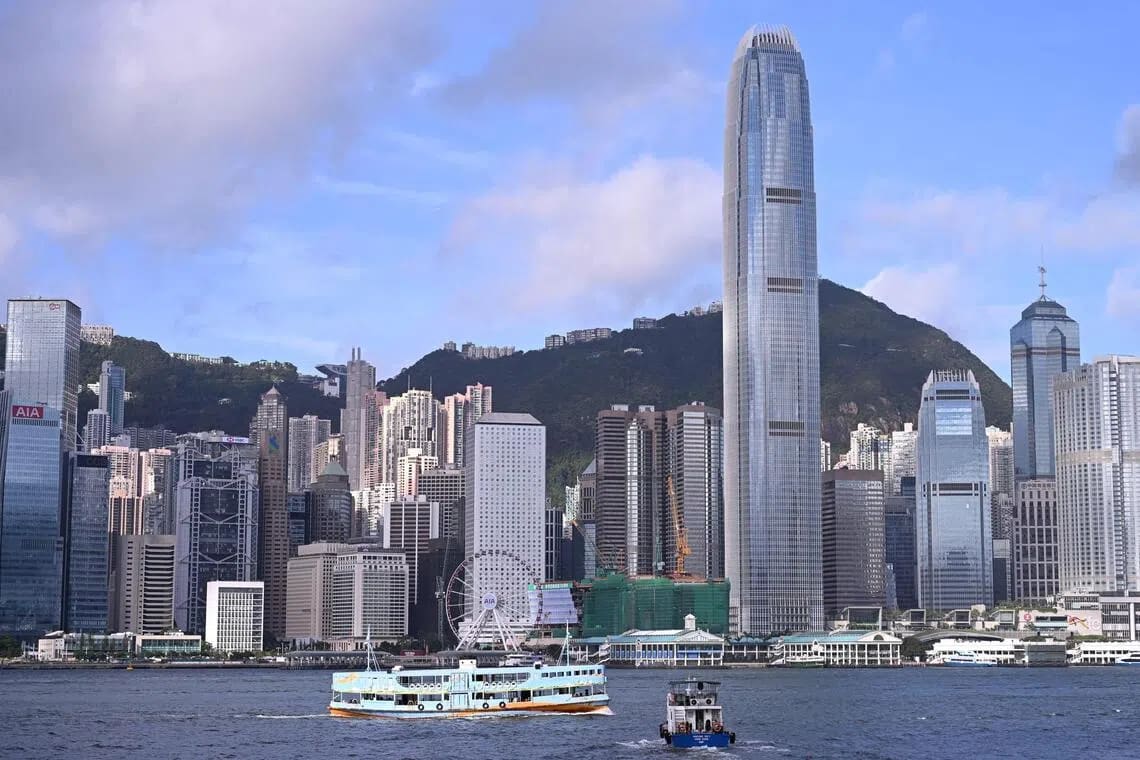
Chinese tech giants and AI startups are flooding Hong Kong's digital infrastructure market, leveraging the city's open data flows to test models and reach global customers beyond the mainland's firewall.
KEY TAKEAWAYS
- ·Wholesale data centre pricing in Hong Kong rose roughly 90 percent in 2026, reaching up to $180 per kilowatt, driven by Chinese tech firms including ByteDance, Alibaba, and Tencent.
- ·Approximately 90 percent of recent leasing deals involve Chinese clients using Hong Kong to deploy AI inference models and access international markets outside China's controlled internet environment.
- ·Major operators including SUNeVision, DayOne Data Centers, and Equinix are raising billions in debt to expand capacity, while financial services firms continue to drive demand for low-latency infrastructure.
Mainland Tech Drives Infrastructure Squeeze
Wholesale data centre pricing in Hong Kong has surged roughly 90 percent since the start of 2026, propelled by a wave of Chinese tech companies seeking capacity for artificial intelligence workloads and international market access. The jump marks one of the steepest increases across Asia-Pacific this year, according to Structure Research.
ByteDance, Alibaba Group Holding, and Tencent Holdings are expanding their footprints in the city, while a growing cohort of mainland AI startups is entering the market to deploy inference models beyond China's borders. Jason Zhou, senior analyst at Structure Research, estimates that approximately 90 percent of recent leasing deals involve Chinese clients, with Western firms accounting for the remainder.
Wholesale pricing bands for hyperscale customers now reach up to $180 per kilowatt, compared with roughly $95 per kilowatt at the beginning of the year. That figure remains below the $300 to $490 range in Singapore, where supply constraints have pushed rates higher, but the pace of increase signals a structural shift in regional demand patterns.
Why Chinese Firms Are Choosing Hong Kong
Hong Kong offers mainland tech companies something they cannot replicate at home: unrestricted data flows and direct connectivity to international markets. China's tightly controlled internet environment, with its content filters and data sovereignty requirements, makes it difficult for companies to train and test AI models intended for global deployment.
The city functions as a testing ground where Chinese firms can validate their models in an environment that mirrors international conditions. "If you want to train some of your AIs and compete in an international space, Hong Kong is a nice cocoon to test some of your AIs and see how you fare," Zhou noted.
The distinction between inference and training workloads is also driving capacity demand. Inference, the process of running trained models to generate outputs, requires significant compute resources when deployed at scale. Chinese players are deploying inference AI in Hong Kong to serve both regional and global users, which translates into large-scale capacity purchases, a departure from the lighter footprint of traditional cloud services.
DeepSeek's recent traction in generative AI has amplified interest among mainland firms eager to demonstrate their models' capabilities outside China. The combination of regulatory freedom, network connectivity, and proximity to mainland operations makes Hong Kong an attractive launchpad.
Operators Raise Debt to Fund Expansion
Major infrastructure operators are responding to the demand surge with aggressive expansion plans. SUNeVision Holdings, DayOne Data Centers, and Equinix have collectively raised billions of dollars in debt to finance new facilities and capacity upgrades.
Equinix recently opened a facility worth HK$1 billion ($164 million) in Hong Kong, with financial services and technology companies forming the bulk of tenant demand. Simon Lockington, senior director at Equinix, highlighted the city's geographic position relative to Singapore and Tokyo as a key draw for finance clients sensitive to latency.
Financial institutions remain a significant source of demand, particularly as algorithmic trading grows more compute-intensive. Dauwood Malik, managing partner in Hong Kong at law firm Clifford Chance, emphasized that the city's traditional finance customer base is substantial and should not be overlooked amid the AI-driven narrative. The rise of algorithm trading has increased capacity requirements for financial firms, adding another layer of demand alongside tech sector growth.
Regional Pricing Context
Hong Kong's pricing trajectory reflects broader dynamics in Asia's data centre markets. Singapore's constrained supply has kept rates elevated, while emerging hubs in Malaysia, Indonesia, and Thailand are attracting hyperscalers seeking lower costs and government incentives. Hong Kong occupies a middle position, offering premium connectivity and regulatory stability at rates that, while rising, remain competitive for firms that prioritize access to China and regional financial markets.
The city's status as a financial hub compounds its appeal. The concentration of banks, asset managers, and trading firms creates a dense ecosystem of potential customers for co-location and low-latency services. For operators, this dual demand from finance and tech reduces tenant concentration risk and supports higher utilization rates.
As Chinese tech firms continue to navigate US export controls and seek alternatives to domestic infrastructure for global-facing services, Hong Kong's data centre market is likely to see sustained pressure on pricing and capacity. The question for operators is whether new supply can keep pace with demand, or whether rates will continue climbing toward Singapore levels as available inventory tightens.
RELATED STORIES

Asian Central Banks Drive Gold Demand as Hong Kong Eyes Trading Hub Role
Cheng Wei-Lun · 3 min
Hong Kong Deploys $8 Billion Fund to Bridge US-China Biotech Divide
Cheng Wei-Lun · 4 min
Beijing's AI Bar Offers Free DeepSeek Access as Price Wars Reshape Global Market
Cheng Wei-Lun · 3 min
Hong Kong's Wealth Hub Status Faces Test as Beijing Tightens Tax Enforcement
Cheng Wei-Lun · 3 min
Spot something wrong? Email editor@briefasia.com. We log every correction publicly.