Finance · Markets
Asian Central Banks Drive Gold Demand as Hong Kong Eyes Trading Hub Role
China's 20-month buying streak and South Korea's return to the market underscore regional appetite for bullion reserves
KEY TAKEAWAYS
- ·Beijing has purchased gold for 20 consecutive months while South Korea's central bank plans its first acquisition in 13 years, sustaining Asian demand.
- ·Hong Kong is strengthening connections to the Shanghai Gold Exchange to capture regional trading flows and serve as a bridge between onshore and offshore markets.
- ·Asian central banks now hold approximately 4,200 tonnes of gold, up from 9 percent to 12 percent of global official reserves over the past decade.
Regional Appetite Reshapes Gold Market
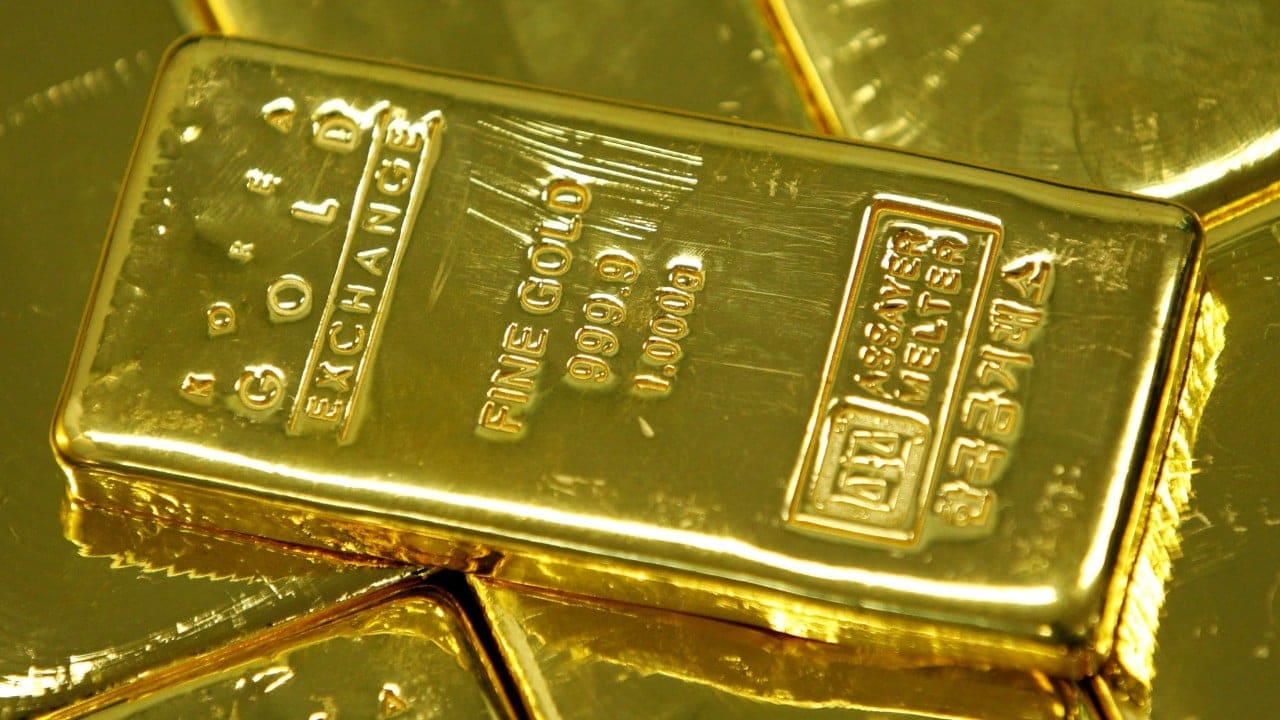
Gold's trajectory remains firmly upward as Asian central banks sustain an unprecedented wave of reserve accumulation. Beijing has now purchased bullion for 20 consecutive months, while South Korea's central bank is preparing its first gold acquisition in 13 years, according to market participants familiar with the transactions.
The sustained buying pattern from Asia's monetary authorities comes as Hong Kong positions itself to capture a larger share of physical gold trading flows. Officials are working to strengthen linkages between the Shanghai Gold Exchange and Hong Kong's trading infrastructure, creating a more integrated regional market for the metal.
Central bank demand from emerging economies has been a structural driver of gold prices since 2022, when geopolitical tensions and currency diversification strategies prompted institutions across Asia and the Middle East to accelerate reserve purchases. The People's Bank of China disclosed gold holdings of approximately 2,264 tonnes as of mid-2024, though analysts believe actual reserves may be higher given historical reporting patterns.
Hong Kong's Infrastructure Play
The city's ambition to serve as a primary conduit for Asian gold flows builds on existing strengths in vaulting, refining, and financial services. Hong Kong handled an estimated 200 tonnes of gold imports in 2023, with much of that volume destined for mainland China through cross-border channels.
Linking Hong Kong more tightly to the Shanghai Gold Exchange would allow international investors easier access to renminbi-denominated gold contracts while giving mainland participants a gateway to dollar-based pricing mechanisms. The Shanghai exchange currently operates the world's largest physical delivery gold contract, with daily turnover regularly exceeding 20 tonnes.
Hong Kong's regulatory framework permits banks and licensed dealers to store, trade, and finance gold transactions with fewer restrictions than many other Asian financial centers. The city's time zone also bridges London morning trading and New York afternoon sessions, a scheduling advantage that has helped it capture foreign-exchange and derivatives flow.
South Korea's Policy Shift
South Korea's decision to resume gold purchases marks a notable shift in reserve management strategy. The Bank of Korea last added bullion to its holdings in 2013, maintaining a static position of roughly 104 tonnes for more than a decade. The planned purchases reflect growing comfort among Asian policymakers with gold as a hedge against currency volatility and inflation risk.
Seoul's move follows similar decisions by central banks in India, Thailand, and Singapore, all of which have expanded gold reserves over the past three years. The Reserve Bank of India added more than 40 tonnes in 2023 alone, bringing its total holdings above 800 tonnes.
Asian central banks collectively hold approximately 4,200 tonnes of gold, representing about 12 percent of global official sector reserves. That share has risen steadily from less than 9 percent a decade ago, as institutions in the region diversified away from dollar-heavy portfolios.
Price Dynamics and Market Structure
Gold traded near $2,420 per troy ounce in early August, up roughly 17 percent year-to-date. Analysts attribute the rally to a combination of central bank buying, safe-haven demand tied to Middle East tensions, and expectations that major developed-market central banks will begin cutting interest rates in the second half of 2024.
Physical demand in Asia remains robust despite higher prices. Indian jewelry consumption, traditionally price-sensitive, held up better than expected during the spring wedding season, while Chinese retail investors continued accumulating gold through exchange-traded products and Shanghai Gold Exchange contracts.
The interplay between official sector buying and retail demand creates a structural floor under prices, even as short-term volatility persists. Western investment flows, often driven by inflation hedging or portfolio diversification, add a layer of momentum that can amplify price moves in either direction.
Hong Kong's push to deepen its role in this ecosystem reflects broader ambitions to maintain relevance as a financial hub amid competition from Singapore and shifts in cross-border capital flows. Gold represents one of several markets where the city is working to blend offshore access with onshore Chinese market infrastructure, creating hybrid products that serve both domestic and international participants.
The trajectory of central bank demand will depend partly on currency stability and geopolitical developments. If Asian monetary authorities sustain their current pace of accumulation, Hong Kong's infrastructure investments may position it to capture a meaningful share of the associated trading and financing activity.
RELATED STORIES
Asian Tech Stocks Surge as Weak US Jobs Data Dims Rate Hike Outlook
Cheng Wei-Lun · 4 min
Franklin Templeton Restructures Leadership With Two Senior Appointments
Priyanka V. Rao · 4 min
Hong Kong's Wealth Hub Status Faces Test as Beijing Tightens Tax Enforcement
Cheng Wei-Lun · 3 min
Hong Kong and China Regulators Announce Market Integration Reforms
Cheng Wei-Lun · 3 min
Spot something wrong? Email editor@briefasia.com. We log every correction publicly.