Finance · Deals
Hong Kong Deploys $8 Billion Fund to Bridge US-China Biotech Divide
Government-backed investment vehicle builds portfolio spanning traditional Chinese and Western pharmaceutical companies as geopolitical tensions reshape global drug development
KEY TAKEAWAYS
- ·Hong Kong Investment Corporation has allocated significant capital from its US$8 billion portfolio to biotech firms spanning traditional Chinese medicine and Western pharmaceutical platforms.
- ·The investment strategy positions Hong Kong as an intermediary hub as US-China decoupling fragments global drug development ecosystems and restricts cross-border collaboration.
- ·Success depends on clinical trial outcomes over the next five to seven years, as breakthrough therapies may transcend political boundaries when patient demand is high.
A Sovereign Bet on Pharmaceutical Diplomacy
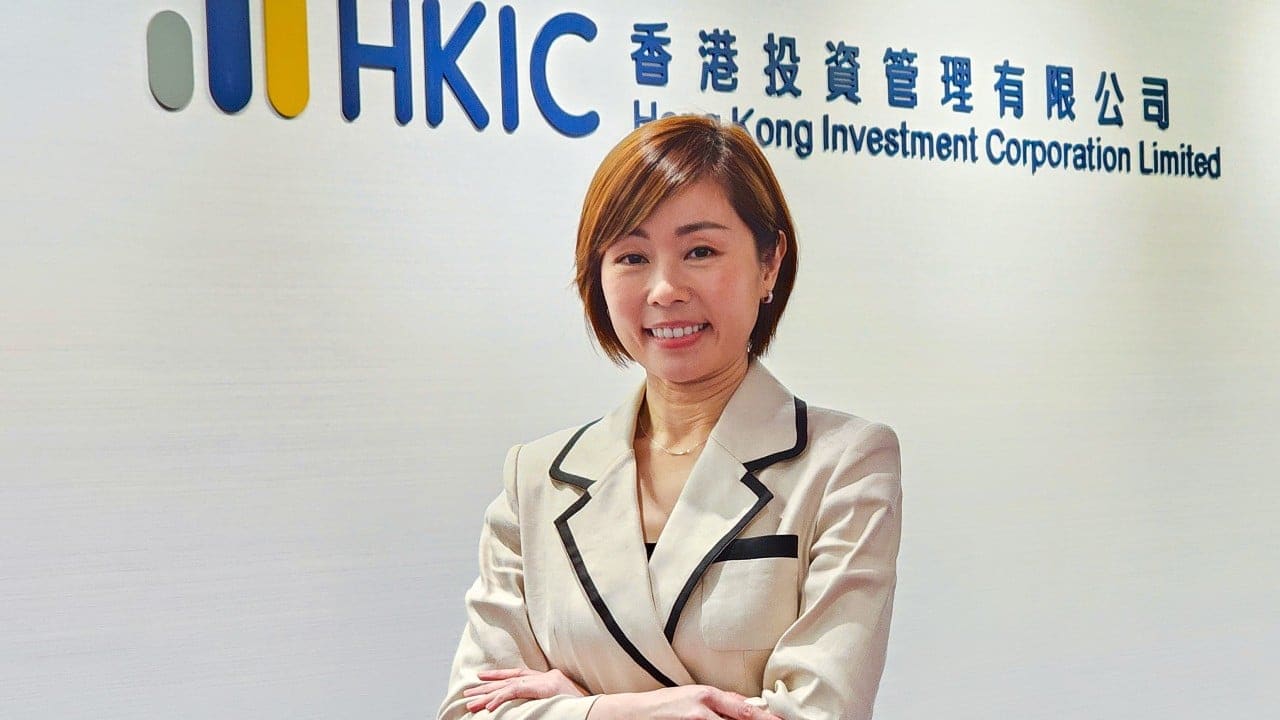
The Hong Kong Investment Corporation has committed substantial capital to biotech and healthcare technology firms, assembling a portfolio that spans both traditional Chinese medicine and Western pharmaceutical platforms. The government-owned fund, which oversees approximately US$8 billion in assets, is positioning Hong Kong as an intermediary hub as Beijing accelerates efforts to close the innovation gap with American pharmaceutical leaders.
The strategic investment push comes at a moment when US-China rivalry in life sciences has moved from trade friction to outright technology decoupling. Export controls on advanced equipment, restrictions on clinical trial data sharing, and diverging regulatory pathways have fragmented what was once a relatively integrated global drug development ecosystem.
Capital Flows Where Politics Create Friction
HKIC's dual-track investment approach reflects Hong Kong's unique position within the Greater Bay Area framework while maintaining separate legal and financial infrastructure from mainland China. The fund has allocated capital to companies working across the spectrum: gene therapies, oncology platforms, medical devices, and digital health applications.
The portfolio construction suggests a deliberate hedge. By holding positions in both ecosystems, HKIC can capture value regardless of which regulatory bloc a given therapy ultimately serves. A cancer drug developed in Shenzhen might never reach US patients, but it addresses a market of 1.4 billion people. Conversely, Western biotech firms with Hong Kong partnerships retain a potential pathway into Asian markets without direct mainland exposure that might trigger Washington scrutiny.
Investment figures from the Hong Kong government show life sciences now represent one of the largest sectoral allocations within HKIC's mandate. The fund has participated in late-stage financing rounds for companies developing cell therapies, monoclonal antibodies, and AI-driven drug discovery tools.
Infrastructure Advantages and Regulatory Arbitrage
Hong Kong maintains regulatory independence in pharmaceutical approvals, operating a separate drug registration system from mainland China's National Medical Products Administration. This creates a testing ground: therapies can undergo initial commercialization in Hong Kong's market of 7.5 million before companies commit to the lengthier mainland approval process or pursue FDA and EMA pathways.
The city's financial infrastructure offers additional advantages. Hong Kong Stock Exchange rules permit pre-revenue biotech listings, a structure that has attracted more than 80 life sciences companies since 2018. These firms have raised over US$40 billion in aggregate, according to exchange data, providing a capital formation mechanism distinct from both Shenzhen's growth boards and Nasdaq.
For HKIC, this means investment positions can achieve liquidity through local listings while companies retain operational flexibility to serve multiple markets. The fund has backed several firms that subsequently went public in Hong Kong, generating returns that support additional deployment into earlier-stage ventures.
Geopolitical Headwinds Test the Model
The bridging strategy faces structural challenges. US lawmakers have proposed legislation that would restrict American institutional investment in Chinese biotech firms, citing national security concerns around genetic data and synthetic biology capabilities. Such measures could limit Hong Kong-listed companies' access to the deep pools of US pension and endowment capital that traditionally flow into pharmaceutical equities.
Meanwhile, Beijing's push for self-sufficiency in critical health technologies creates pressure on Hong Kong firms to demonstrate clear contributions to mainland innovation priorities. The recent national pharmaceutical strategy emphasizes domestic production of active pharmaceutical ingredients, advanced biologics manufacturing, and independence from Western supply chains for essential medicines.
HKIC's portfolio companies must navigate this tension. Too much Western orientation risks losing mainland market access or government procurement contracts. Too much mainland integration risks triggering US investment restrictions or export control complications.
What the Numbers Reveal
The US$8 billion under HKIC management represents a meaningful but not dominant force in Asian biotech capital markets. For context, Singapore's Temasek Holdings manages over US$280 billion and has allocated roughly US$10 billion to life sciences investments across its portfolio. Mainland China's National Integrated Circuit Industry Investment Fund, focused on semiconductors, deployed approximately US$47 billion in its first two phases.
What distinguishes HKIC is not scale but positioning. The fund operates with greater transparency than most mainland sovereign vehicles while maintaining closer ties to Chinese innovation ecosystems than Singapore-based investors. This intermediate status may prove either a strategic advantage or an uncomfortable middle ground as decoupling accelerates.
The Verdict Awaits Clinical Data
Whether Hong Kong can sustain a bridging role depends less on investment strategy than on scientific outcomes. If portfolio companies generate breakthrough therapies, regulatory approval in either the US or China will matter less than global demand for effective treatments. Pharmaceutical innovation has historically transcended political boundaries when patient need is acute.
The current investment phase will play out over the next five to seven years as drugs move through clinical trials and regulatory reviews. HKIC's returns and Hong Kong's relevance as a biotech hub will ultimately be determined not by capital deployment but by how many of these molecules prove both safe and effective in human populations.
RELATED STORIES
Hong Kong's Wealth Hub Status Faces Test as Beijing Tightens Tax Enforcement
Cheng Wei-Lun · 3 min
Hong Kong and China Regulators Announce Market Integration Reforms
Cheng Wei-Lun · 3 min
China Bond Futures Launch in Hong Kong Draws Strong Opening Volume
Cheng Wei-Lun · 3 min

Asian Central Banks Drive Gold Demand as Hong Kong Eyes Trading Hub Role
Cheng Wei-Lun · 3 min
Spot something wrong? Email editor@briefasia.com. We log every correction publicly.