Real Estate · Land
Singapore Property Owners Weigh Adaptive Reuse Against Upgrades for Aging Stock
Building conversions gain traction as strategy to extend asset life, but economics and structural suitability remain key hurdles
KEY TAKEAWAYS
- ·Singapore property owners are evaluating adaptive reuse to extend the life of aging buildings, converting structures to new uses while retaining existing frameworks.
- ·The strategy depends on structural suitability and financial viability, with conversion costs weighed against redevelopment and expected returns from new uses.
- ·Buildings from the 1980s and 1990s face rising maintenance costs and tenant pressure for sustainability upgrades, driving intervention decisions across the market.
The Conversion Question
Singapore's property landscape is aging, and owners are confronting a strategic fork in the road. With tenant expectations shifting toward sustainability and modern amenities, simply maintaining older buildings no longer suffices. The options are clear: refresh what exists, tear down and rebuild, or find a new purpose for the old bones.
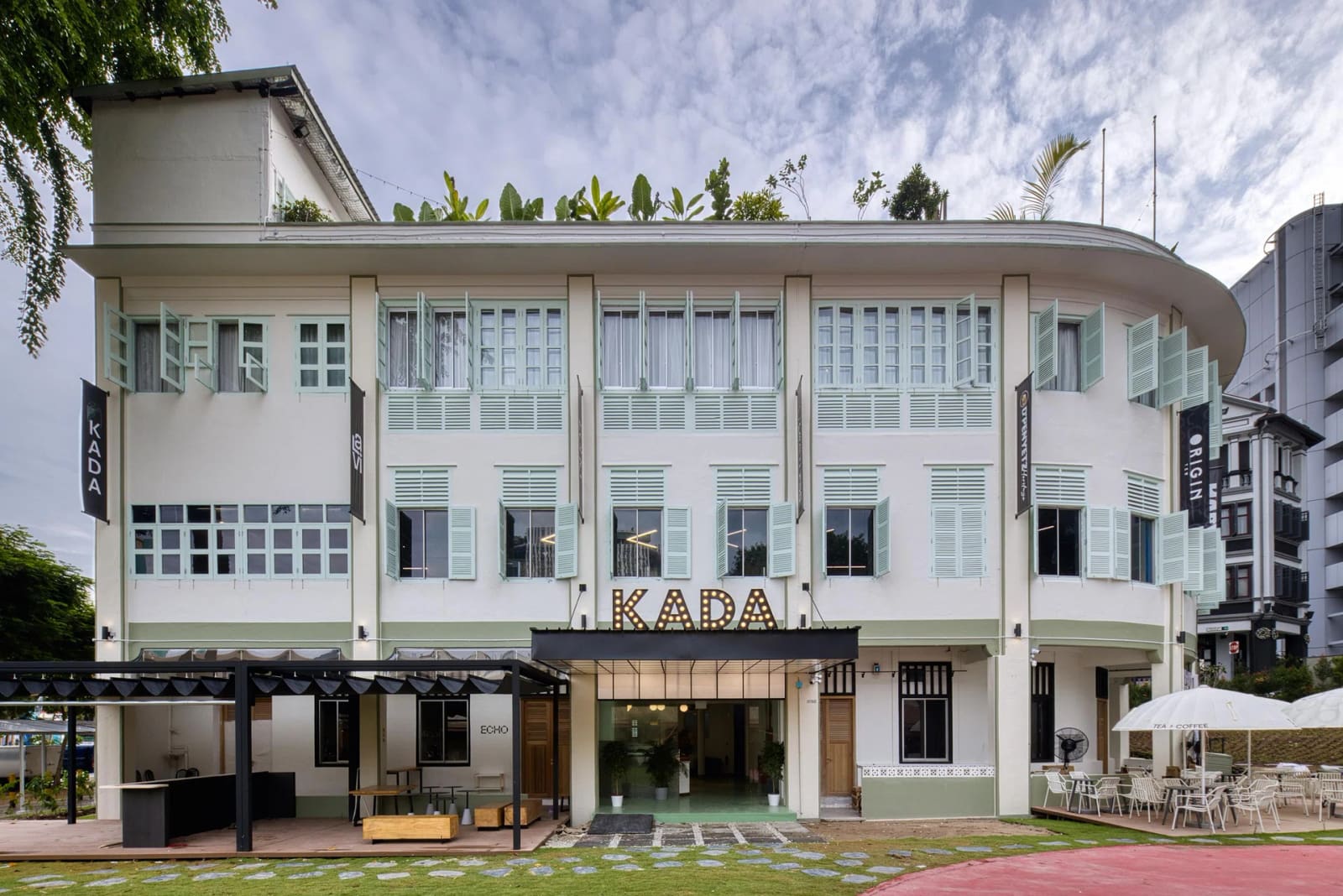
That third path, adaptive reuse, involves converting a building to a different primary function while keeping much of its skeleton intact. The former St Andrew's Mission Hospital, now reborn as Kada, exemplifies the approach. The structure today houses cafes, fitness studios, and co-living spaces, a sharp departure from its medical origins.
Yet adaptive reuse remains far from standard practice in Singapore's property toolkit. The strategy sits alongside two more familiar routes: asset enhancement initiatives, which upgrade a building while keeping its original purpose, and full redevelopment, which wipes the slate clean. Where adaptive reuse fits depends less on preference and more on cold pragmatism.
When the Math Works
Melissa Luki, director of economics and property at Cistri, a real estate consultancy, distinguishes the three approaches by their scope and intent. Asset enhancement initiatives preserve a building's existing use while improving finishes, systems, or layout. Redevelopment replaces the structure entirely. Adaptive reuse falls between the two, demanding enough structural integrity to support a new function without requiring a complete rebuild.
The decision hinges on two tests. First, can the building physically accommodate a different use? Floor plates, ceiling heights, load-bearing capacity, and façade condition all constrain what is feasible. A former industrial warehouse with open spans and high ceilings may lend itself to offices or retail; a narrow residential tower may not.
Second, do the economics make sense? Adaptive reuse often carries lower upfront costs than redevelopment, since foundations, structural frames, and sometimes façades remain. But retrofitting mechanical, electrical, and plumbing systems to meet current codes can be expensive. If the gap between conversion costs and redevelopment costs narrows, or if the new use generates insufficient returns, the business case collapses.
Market Context
Singapore's property market is undergoing a quiet recalibration. Buildings constructed in the 1980s and 1990s are now approaching 30 to 40 years of age, a threshold where maintenance costs rise and tenant appeal fades. Landlords face pressure to improve energy performance as environmental, social, and governance benchmarks tighten. At the same time, demand patterns are shifting: office tenants seek flexible layouts, retail occupiers want experiential spaces, and residential renters prioritize amenities.
Against this backdrop, adaptive reuse offers a potential solution for assets that no longer serve their original market but retain structural value. The strategy can extend a building's economic life without the regulatory complexity and capital outlay of full redevelopment. It also aligns with sustainability goals by reducing demolition waste and embodied carbon.
Still, the approach is not universally applicable. Buildings with outdated layouts, poor structural condition, or locations unsuited to alternative uses may find redevelopment the only viable path. Conversely, assets in prime districts with strong bones and flexible floor plates become natural candidates for conversion.
What Comes Next
The broader trend is clear: Singapore's aging property stock demands intervention. Owners who defer decisions risk obsolescence as tenants migrate to newer, greener, more functional spaces. The question is not whether to act, but which strategy fits the asset and the market.
Adaptive reuse will likely remain a selective tool rather than a blanket solution. It works best where structural conditions align with market demand and where conversion costs deliver a return. For buildings that meet those criteria, repurposing offers a middle ground between incremental upgrades and wholesale replacement.
As the city-state's built environment matures, property owners will continue to evaluate each asset on its merits. The calculus involves engineering feasibility, financial return, and market positioning. Adaptive reuse adds one more option to the mix, but only when the building, the numbers, and the timing align.
RELATED STORIES
Hong Leong and GuocoLand Bid $450 Million for Waterfront Site in Singapore
Priyanka V. Rao · 3 min
Singapore's Aging HDB Flats Capture Largest Share of Resale Market
Lim Hui Ying · 3 min
City Plaza Owners Launch Third Collective Sale Attempt at S$970 Million
Lim Hui Ying · 3 min
Allianz Commits $3.3 Billion to Build Singapore Wealth Hub Through Dual Acquisitions
Priyanka V. Rao · 3 min
Spot something wrong? Email editor@briefasia.com. We log every correction publicly.