Real Estate · Land
Singapore Considers Lowering Consent Threshold for HDB Redevelopment Sales
Proposed changes could accelerate en bloc sales for aging public and private housing, easing urban renewal bottlenecks
KEY TAKEAWAYS
- ·Singapore's government has proposed lowering consent thresholds for en bloc sales of older residential and commercial developments, potentially to 65 percent for certain HDB flats.
- ·The policy aims to unlock redevelopment of aging properties in prime locations where minority owners currently block collective sales under existing 80 percent requirements.
- ·Lower thresholds could accelerate urban renewal but raise concerns about property rights for dissenting owners, particularly elderly residents attached to long-held homes.
A Long-Awaited Policy Shift
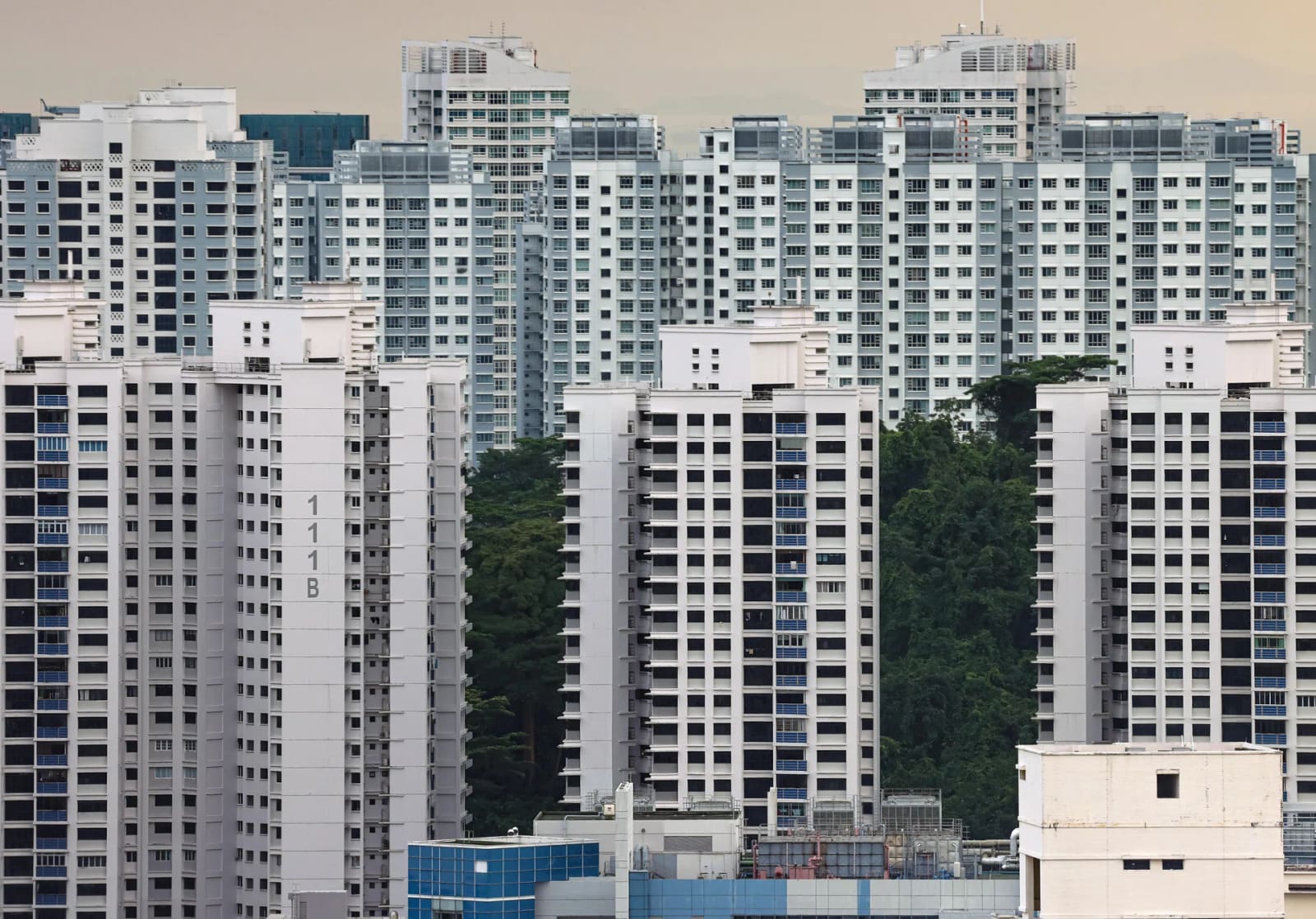
Singapore's government has put forward proposals to reduce the consent thresholds required for en bloc sales of older developments, a shift that urban planners and property analysts have anticipated for years. The changes target aging private commercial, mixed-use, and non-landed residential properties that have struggled to achieve the unanimous or near-unanimous owner agreement traditionally needed for collective sales.
The proposed threshold adjustments come as Singapore's building stock ages rapidly. Many developments constructed during the city-state's rapid urbanization phase between the 1970s and 1990s now face obsolescence, with infrastructure, layouts, and amenities that no longer meet contemporary standards for business or residential use.
Under current regulations, en bloc sales of developments less than 10 years old require consent from 90 percent of owners by share value and total area. For properties older than 10 years, the threshold drops to 80 percent. The new proposals would further lower these requirements for specific categories of aging properties, though exact percentages have not been finalized. Industry observers speculate the threshold for certain older Housing and Development Board flats could settle at 65 percent, though official confirmation is pending.
Unlocking Stalled Redevelopment
The policy change responds to a practical bottleneck: many older developments sit in prime or strategically important locations but cannot be redeveloped because a small minority of owners withhold consent. This creates inefficiency in land use, particularly acute in a land-scarce economy where every square meter carries premium value.
Private residential estates built in the 1980s often feature low plot ratios, limited parking, and unit layouts unsuited to modern living standards. Commercial buildings from the same era lack the floor-to-ceiling heights, column spacing, and digital infrastructure that today's tenants demand. Mixed-use developments frequently contain retail spaces designed for an era before e-commerce reshaped consumer behavior.
By lowering consent thresholds, the government aims to accelerate the turnover of these assets. Successful en bloc sales would allow developers to acquire aging properties, demolish them, and construct new buildings with higher density, better amenities, and contemporary design standards.
The economic logic is straightforward: newer buildings command higher rents and sale prices, generate more business activity, and contribute more property tax revenue. They also create construction jobs and stimulate related industries from architecture to building materials.
The HDB Question
While the initial proposals focus on private developments, the scheme's potential extension to older HDB flats represents the more significant policy frontier. Singapore's public housing stock includes hundreds of blocks built before 1990, many in mature estates where land values have appreciated substantially.
The government already operates the Voluntary Early Redevelopment Scheme for select HDB precincts, but that program requires government selection of eligible estates. A lower consent threshold for owner-initiated redevelopment would give residents more agency while allowing the HDB to accelerate urban renewal without bearing the full financial and logistical burden alone.
The 65 percent threshold being discussed for HDB flats recognizes the unique challenges of public housing redevelopment. HDB estates contain more units per development than typical private condominiums, making high consent levels mathematically harder to achieve. Many elderly residents have strong emotional attachments to their flats and neighborhoods, even when those buildings have deteriorated. A lower threshold would balance respecting owner rights with enabling collective action that benefits the majority.
Risks and Trade-Offs
Critics of lower consent thresholds point to legitimate concerns. Property ownership represents one of the most significant financial assets for most Singaporean households. Forcing a sale over the objections of 35 or even 20 percent of owners raises questions about property rights and fairness.
Elderly owners who have lived in the same flat for decades may face disruption they neither want nor feel equipped to handle. The compensation from an en bloc sale may be adequate in dollar terms but insufficient to replace the social networks and familiar environments these residents depend on.
There is also the risk of speculative pressure. If thresholds drop too low, investors might target older developments purely for arbitrage opportunities, buying units to push sales through even when redevelopment does not represent the best use of capital or land from a broader economic perspective.
Regional Context
Singapore's struggle with aging building stock and redevelopment consent is not unique in Asia. Hong Kong faces similar challenges with its older housing estates and commercial buildings, though its freehold land system and different ownership structures create distinct dynamics. Tokyo has grappled with earthquake-vulnerable buildings that need replacement but cannot secure owner consensus.
What sets Singapore apart is its willingness to actively adjust regulatory frameworks to overcome these obstacles. The proposed threshold changes reflect a policy philosophy that treats urban renewal as a continuous process requiring institutional flexibility, not a one-time achievement.
As the city-state's first generation of post-independence buildings reaches the end of their practical lifespans, the success or failure of these policy adjustments will shape Singapore's urban landscape for decades. The question is whether the government can find the right balance point: low enough to unlock stalled redevelopment, high enough to protect legitimate owner interests.
RELATED STORIES
Singapore Extends Boat Quay Nightlife Hours After Pilot Shows 10% Footfall Surge
Lim Hui Ying · 3 min
Sustained Land Acquires Thomson Lane Site for S$578 Million
Lim Hui Ying · 2 min

CapitaLand Investment Eyes Minority Sale in Ascott to Fund Expansion
Priyanka V. Rao · 3 min
Singapore Food Tenant Sues OG Over Taste Orchard Eviction
Lim Hui Ying · 3 min
Spot something wrong? Email editor@briefasia.com. We log every correction publicly.