Real Estate · Hotels
CapitaLand Investment Eyes Minority Sale in Ascott to Fund Expansion
Singapore's real estate fund manager says it doesn't need full ownership of its hospitality unit as it seeks partners to accelerate M&A and distribution reach
KEY TAKEAWAYS
- ·CapitaLand Investment is exploring a partial sale of its wholly owned hospitality unit, The Ascott Limited, to bring in strategic investors and accelerate mergers and acquisitions.
- ·Ascott's fee-related revenue grew 4 percent in the first half of 2026, with 8,400 units added and 96 percent of its portfolio under management or franchise contracts.
- ·The potential divestment is separate from CapitaLand Investment's plan to sell 7 billion to 9 billion dollars in legacy and non-core assets as part of its five-year transformation strategy.
Opening the Door to Strategic Capital
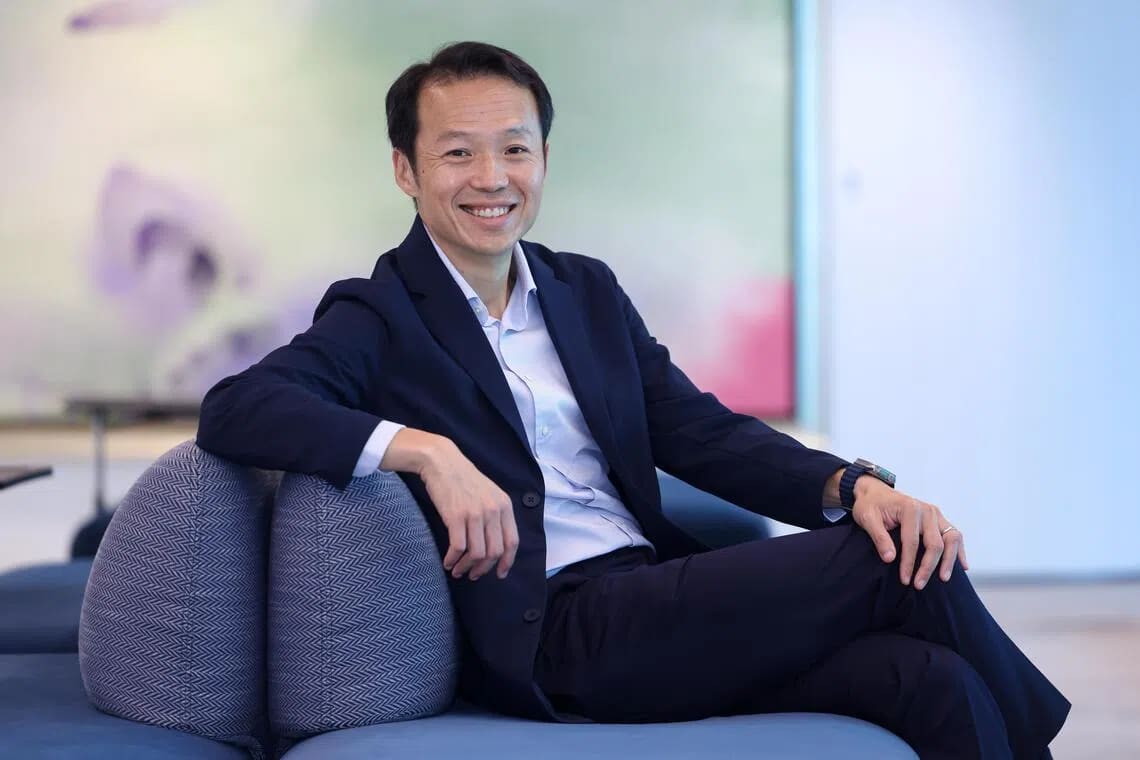
CapitaLand Investment is preparing to sell part of its stake in The Ascott Limited, the hospitality arm it has wholly owned since 2008, as the Singapore-based fund manager hunts for partners to fuel faster expansion and deal-making.
CEO Lee Chee Koon told analysts on August 13 that the company sees no reason to maintain full ownership of Ascott, particularly given rising interest from potential investors and limited partners. The steady performance of the hospitality business has made it an attractive proposition, and bringing in outside capital could strengthen both acquisition firepower and the reach of Ascott's management capabilities.
The potential transaction would mark a shift in how CapitaLand Investment approaches its hospitality operations, moving from sole ownership to a partnership model that mirrors the asset-light, fee-focused strategy it has pursued across other business lines since exiting property development five years ago.
Fee Revenue Climbs as Portfolio Expands
Ascott posted 4 percent year-on-year growth in fee-related revenue during the first half of 2026, according to CapitaLand Investment. That increase came from improved performance at existing properties and contributions from newly opened locations.
The hospitality unit added roughly 8,400 units across more than 40 properties in the six months through June, pushing its development pipeline to approximately 67,000 units. Some 96 percent of Ascott's portfolio operates under management or franchise contracts rather than direct ownership, a structure that limits capital requirements and allows the business to scale without taking on property risk.
Lee emphasized that any sale would not diminish Ascott's importance within the broader CapitaLand Investment portfolio. He declined to specify how much equity the company might divest, noting that no final decision has been made on structure or timing.
Separate from Legacy Asset Sales
The Ascott stake sale would be distinct from CapitaLand Investment's ongoing program to divest between 7 billion and 9 billion US dollars in legacy assets, non-core holdings in real estate investment trusts, and positions in private funds. That broader divestment effort is part of a five-year transformation plan launched in 2021, designed to streamline the company's balance sheet and concentrate resources on fund management rather than direct property ownership.
Lee said bringing in a partner for Ascott would give CapitaLand Investment greater flexibility to launch new fund strategies and expand both private and listed vehicles. The company has shifted its revenue base heavily toward fee income, which grew 20 percent year-on-year to 687 million dollars in the first half of 2026.
Transformation Nears Completion
CapitaLand Investment reported net profit of 327 million dollars for the six months ended June 30, up nearly 14 percent from 287 million dollars in the same period a year earlier. The gain was driven by higher fee income from its fund management platforms, which have become the core of the business since the pivot away from development.
Total revenue fell 2 percent to roughly 1 billion dollars, primarily due to the absence of income from divested assets and deconsolidation effects. That decline was modest compared to the 24 percent drop recorded a year earlier, suggesting that revenue has stabilized as the company completes its transition.
With the five-year transformation plan approaching its conclusion, CapitaLand Investment is now focused on accelerating growth rather than restructuring. The potential Ascott transaction fits that agenda, offering a way to inject fresh capital and strategic expertise into a business that has attracted attention from investors seeking exposure to Asia's hospitality sector.
Lee's comments signal that CapitaLand Investment is willing to trade full control for faster growth and deeper partnerships, a pragmatic approach in a market where scale and distribution increasingly determine competitive advantage. The company has not disclosed a timeline for any Ascott stake sale, but interest from potential investors suggests that formal discussions could move forward in the coming quarters.
RELATED STORIES
OpenAI in Talks to Triple Singapore Office Space at Shaw Tower
Priyanka V. Rao · 3 min
Singapore Home Prices to Climb 3-4% in 2026 on Lower Rates, Policy Shift
Lim Hui Ying · 3 min

Singapore's Annalakshmi Restaurant Has Survived 25 Years on Pay-What-You-Want
Priyanka V. Rao · 3 min
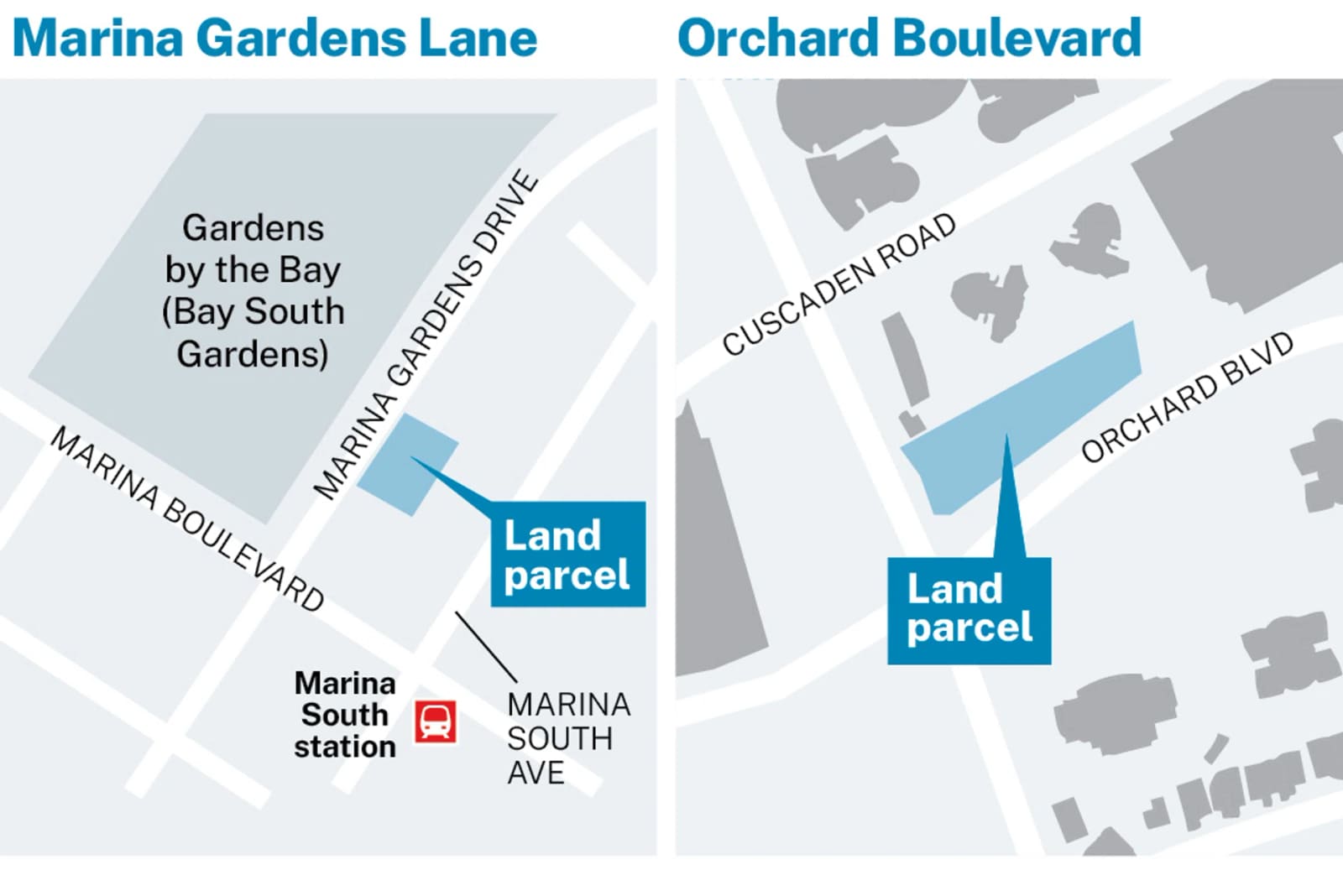
Singapore Releases Two Prime Residential Plots in Orchard and Marina Bay Areas
Lim Hui Ying · 3 min
Spot something wrong? Email editor@briefasia.com. We log every correction publicly.