Asia · Trade
Singapore Clears 900 MW of Solar Imports from Malaysia
Two developers win conditional approvals to supply cross-border renewable power, targeting 2029 start dates as the city-state accelerates its clean energy pivot
KEY TAKEAWAYS
- ·Singapore's Energy Market Authority granted conditional approvals to Sembcorp Utilities and Southern Solar Alliance to import 900 MW of solar power from Malaysia, with targeted commercial operations around 2029.
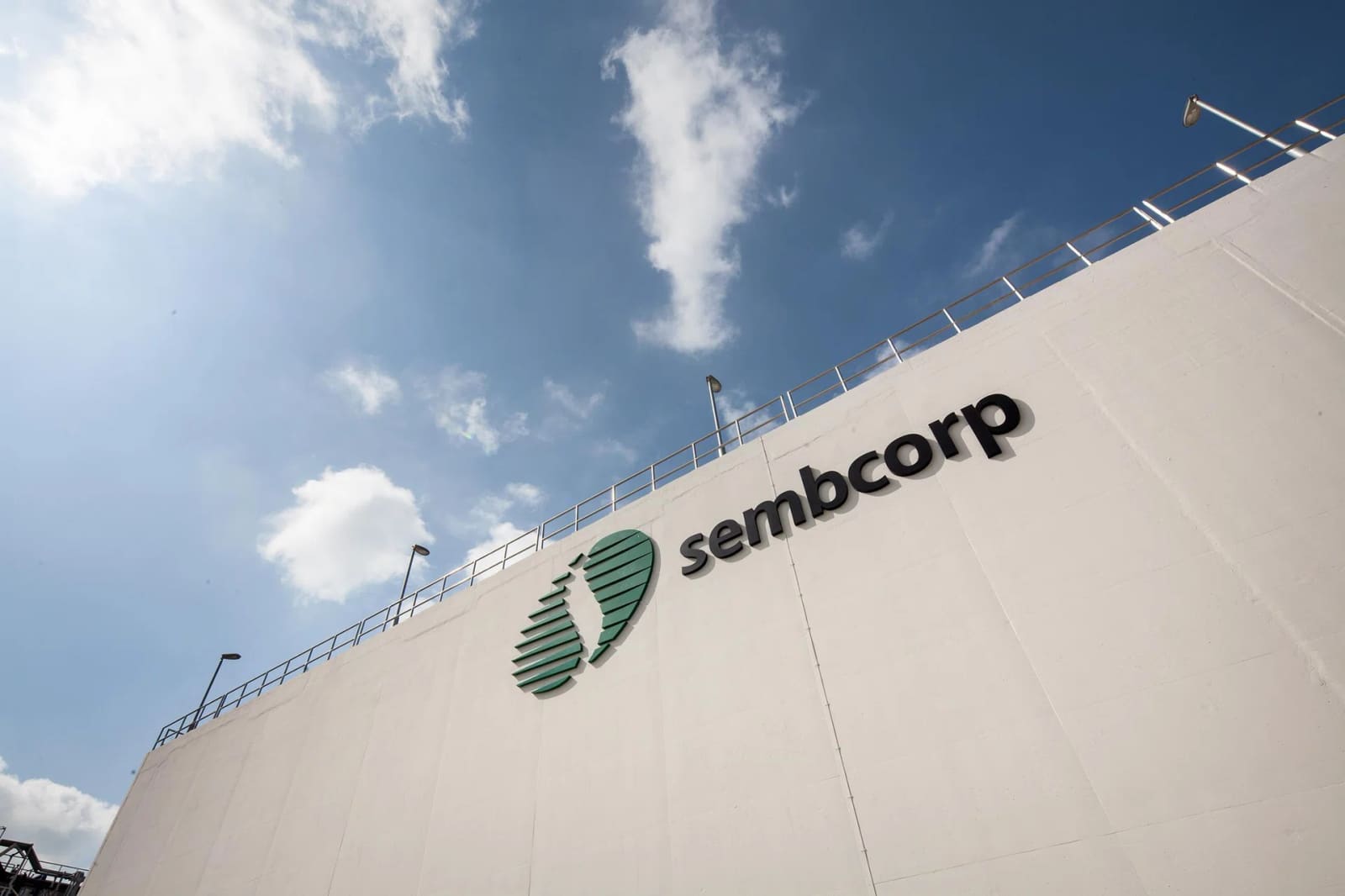
- ·Sembcorp will develop a 2.2 gigawatt-peak floating solar system at Linggiu Reservoir in Johor, paired with 4.3 gigawatt-hours of battery storage, using the same site that supplies Singapore's water.
- ·The approvals bring Singapore's conditionally approved clean energy import pipeline to 6.25 GW across seven projects, nearing its 2035 target of 6 GW to meet one-third of energy demand.
Two Projects Move Forward
Singapore's Energy Market Authority granted conditional approvals to two developers to import 900 megawatts of solar power from peninsular Malaysia, marking the latest step in the city-state's push to secure regional renewable energy supplies.
Sembcorp Utilities won approval for 300 MW from a floating solar and battery storage facility at Linggiu Reservoir in Johor. Southern Solar Alliance, the development arm of Malaysian firm Ditrolic Energy Holdings, secured approval for 600 MW from a separate solar and battery installation elsewhere in peninsular Malaysia.
Both projects aim for commercial operations around 2029, according to the authority. Before reaching financial close, developers must secure permits from relevant jurisdictions, finalize power purchase agreements with buyers, arrange project financing, and complete development milestones.
The Linggiu Connection
Sembcorp's project involves a 2.2 gigawatt-peak floating solar system at Linggiu Reservoir, paired with up to 4.3 gigawatt-hours of battery energy storage. The reservoir already serves as a key source of Singapore's water supply, adding a dual-use dimension to the site.
Sembcorp is partnering with KPRJ Environment, a Malaysian state-owned entity, and Qua Energy, a Singapore-based renewable power developer and investor. The project will use both existing and planned subsea interconnection infrastructure.
Koh Chiap Khiong, Singapore chief executive at Sembcorp Industries, said the project strengthens the company's ability to deliver reliable, low-carbon energy to data centers, AI-related industries, and other energy-intensive sectors.
Building on Bilateral Momentum
The approvals follow sustained cooperation between Singapore and Malaysia on energy trade. The two countries are also studying a second electricity interconnection with capacity of up to 2 gigawatts, the authority noted.
Singapore has set a target to import 6 GW of low-carbon electricity by 2035, which would meet roughly one-third of its energy demand at that time. With these latest approvals, seven projects have now received conditional green lights, potentially delivering 6.25 GW of clean power into Singapore. The exporting countries include Australia, Cambodia, Vietnam, and Malaysia.
Another six Indonesian projects have moved further along the approval pipeline, receiving conditional licenses. These projects collectively aim to import 3 GW of solar power. However, Indonesian ventures have encountered delays tied to Jakarta's licensing framework, particularly a requirement that power exporters renew permits every five years. That rule has complicated financing arrangements for developers.
Regional Power Grid Takes Shape
Singapore's clean energy import strategy reflects the broader evolution of cross-border electricity trade in Southeast Asia. The city-state lacks the land area for large-scale domestic solar or wind installations, making regional imports a structural necessity rather than a policy preference.
In July, Indonesia's sovereign investment agency Danantara signed several agreements with Singapore companies to advance negotiations over cross-border electricity trade, signaling progress despite regulatory friction.
The floating solar model at Linggiu Reservoir offers a template for multi-use infrastructure in land-scarce environments. By layering renewable generation onto existing water assets, the project maximizes resource efficiency without displacing agricultural or urban land.
Battery storage remains critical to the viability of solar imports. Singapore's electricity demand peaks in the afternoon and early evening, when commercial and residential air conditioning loads surge. Without storage, solar power generated during midday hours in Malaysia would arrive out of sync with Singapore's consumption patterns. The 4.3 gigawatt-hour battery system at Linggiu is designed to smooth that mismatch.
What Comes Next
The 2029 timeline for both projects assumes developers can navigate permitting, financing, and construction on schedule. Cross-border power projects in Southeast Asia have historically faced delays tied to policy changes, grid access disputes, and currency risk.
Singapore's regulatory framework for energy imports requires developers to demonstrate financial viability and secure binding offtake agreements before receiving full licenses. The conditional approval stage allows developers to advance planning and secure commitments from buyers, but does not guarantee final approval.
As Singapore moves closer to its 6 GW import target, the composition of its energy mix is shifting. The city-state has traditionally relied on natural gas for roughly 95 percent of its electricity generation. By 2035, renewable imports are expected to displace a significant share of that gas-fired capacity, reducing emissions and diversifying supply sources.
The Linggiu project also underscores the strategic value of existing cross-border infrastructure. Singapore already draws water from the reservoir under a long-standing bilateral agreement with Malaysia. Adding solar generation to the same site leverages established logistics, regulatory relationships, and transmission corridors.
RELATED STORIES
Southeast Asian Workers Embrace AI Tools Faster Than Global Peers
Priyanka V. Rao · 3 min
Singapore Wage Council Opens Consultation for 2026-2027 Guidelines
Priyanka V. Rao · 2 min
Singapore's Religious Sector Collected $1.4 Billion in Donations Last Year
Priyanka V. Rao · 4 min
Utah Positions Itself as Lower-Profile Alternative to Texas for Asian Capital
Priyanka V. Rao · 4 min
Spot something wrong? Email editor@briefasia.com. We log every correction publicly.