Asia · Politics
Singapore Wage Council Opens Consultation for 2026-2027 Guidelines
Tripartite body will weigh economic competitiveness, inflation, and progressive wage floors for lower-paid workers when it convenes mid-August
KEY TAKEAWAYS
- ·Singapore's National Wages Council is accepting public feedback until August 19 for wage guidelines covering December 2026 through November 2027, with final recommendations expected by late October.
- ·Real wages in Singapore grew 4 percent in 2025 after inflation, but the Ministry of Manpower expects firms to take a more measured approach to pay increases amid global uncertainty.
- ·The council will set guidance on progressive wage increases for lower-paid workers in sectors like cleaning and security, where wage floors rise with skill improvements under a predetermined schedule.
Public Input Window Closes Mid-August
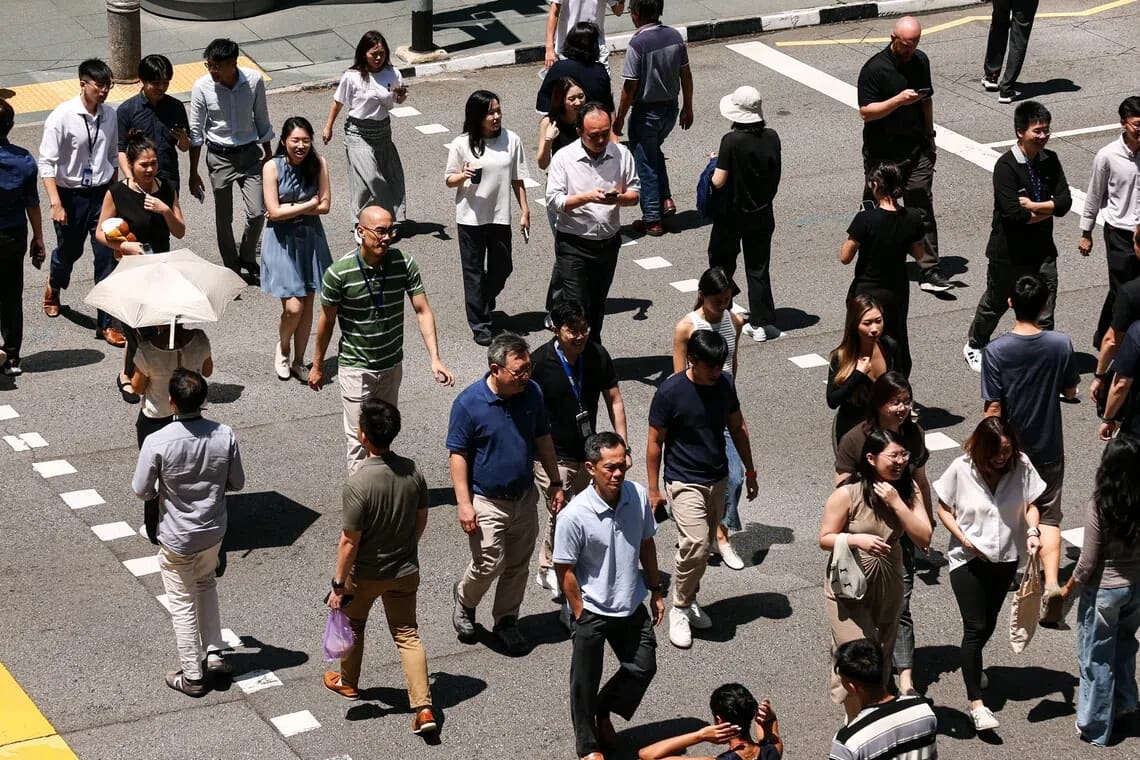
Singapore's tripartite wage-setting body has opened a two-week window for residents and businesses to weigh in on the country's next annual salary and employment guidelines. The National Wages Council will meet on August 19 to begin drafting recommendations that will apply from December 1, 2026, through November 30, 2027, according to the Ministry of Manpower.
The deadline for submissions coincides with the council's first session. Interested parties can submit views through a government portal until August 19. The final guidelines are scheduled for release by the end of October.
Peter Seah, who chairs both DBS Bank and Singapore Airlines, leads the council. The body brings together representatives from government ministries, employer associations, and trade unions in a structure that has guided Singapore's wage policy for decades.
Four Factors in Focus
The council's deliberations will center on Singapore's economic competitiveness, current labour market conditions, inflation trends, and productivity growth. The Ministry of Manpower noted that global economic outlook will also shape the discussion.
Real wages in Singapore climbed 4 percent in 2025 after adjusting for inflation, up from 3.2 percent growth the previous year. The acceleration reflects a tight labour market that has persisted even as regional economies face headwinds.
Yet the Ministry of Manpower expects companies to adopt a more cautious stance on pay increases this year. Global uncertainty and sustained inflationary pressure are prompting firms to moderate their wage budgets, even as competition for talent remains intense in key sectors like finance, technology, and logistics.
Progressive Wage Floors Under Review
The council will again set guidance on wage increases for lower-paid workers covered by the Progressive Wage Model. This framework establishes minimum pay levels that rise with skill upgrades and productivity improvements in sectors including cleaning, security, and retail.
Wage floors at each level increase according to a published schedule. The model aims to lift earnings for workers in occupations that have historically lagged behind Singapore's median income, while incentivizing training and upskilling.
The progressive wage structure has expanded beyond its original scope in recent years, covering more occupations as the government seeks to narrow income gaps without imposing a blanket minimum wage. The council's annual guidance on the pace of these increases carries significant weight for employers in affected industries.
Navigating Uncertainty
Singapore's wage trajectory over the next year will reflect competing pressures. Labour shortages persist in several industries, particularly those reliant on foreign workers who face tighter quota restrictions. At the same time, corporate margins are under strain from elevated input costs and slowing export demand across Asia.
The council's recommendations are not legally binding, but they shape expectations across the city-state's business community. Major employers typically align their compensation reviews with the guidance, viewing it as a benchmark for maintaining competitiveness while managing cost inflation.
With real wage growth outpacing most regional peers, Singapore's challenge lies in sustaining income gains without eroding the cost advantages that continue to attract multinational operations. The council's October guidelines will signal how policymakers intend to balance those objectives as the city-state navigates a more uncertain global environment.
RELATED STORIES

Singapore's Religious Sector Collected $1.4 Billion in Donations Last Year
Priyanka V. Rao · 4 min

Utah Positions Itself as Lower-Profile Alternative to Texas for Asian Capital
Priyanka V. Rao · 4 min
Singapore Banks Hit Record Highs on Wealth Management Surge
Priyanka V. Rao · 2 min
Allianz Acquires HSBC Singapore Insurance Operations in $2.3 Billion Deal
Priyanka V. Rao · 3 min
Spot something wrong? Email editor@briefasia.com. We log every correction publicly.