Finance · Markets
Singapore Central Bank Signals More Rate Action After Surprise July Tightening
MAS steepens policy band slope in unexpected move, with economists forecasting further tightening as soon as October amid firmer growth and inflation risks
KEY TAKEAWAYS
- ·The Monetary Authority of Singapore steepened its currency policy band slope on July 27, catching 14 of 18 surveyed economists by surprise while leaving band width and center level unchanged.
- ·MAS justified the move by citing firmer growth prospects and building medium-term inflation risks, marking a shift toward preemptive tightening despite solid economic conditions.
- ·Private-sector economists now forecast another policy tightening as early as October, with the central bank's next semi-annual review expected to assess third-quarter inflation and growth data.
Unexpected Policy Shift
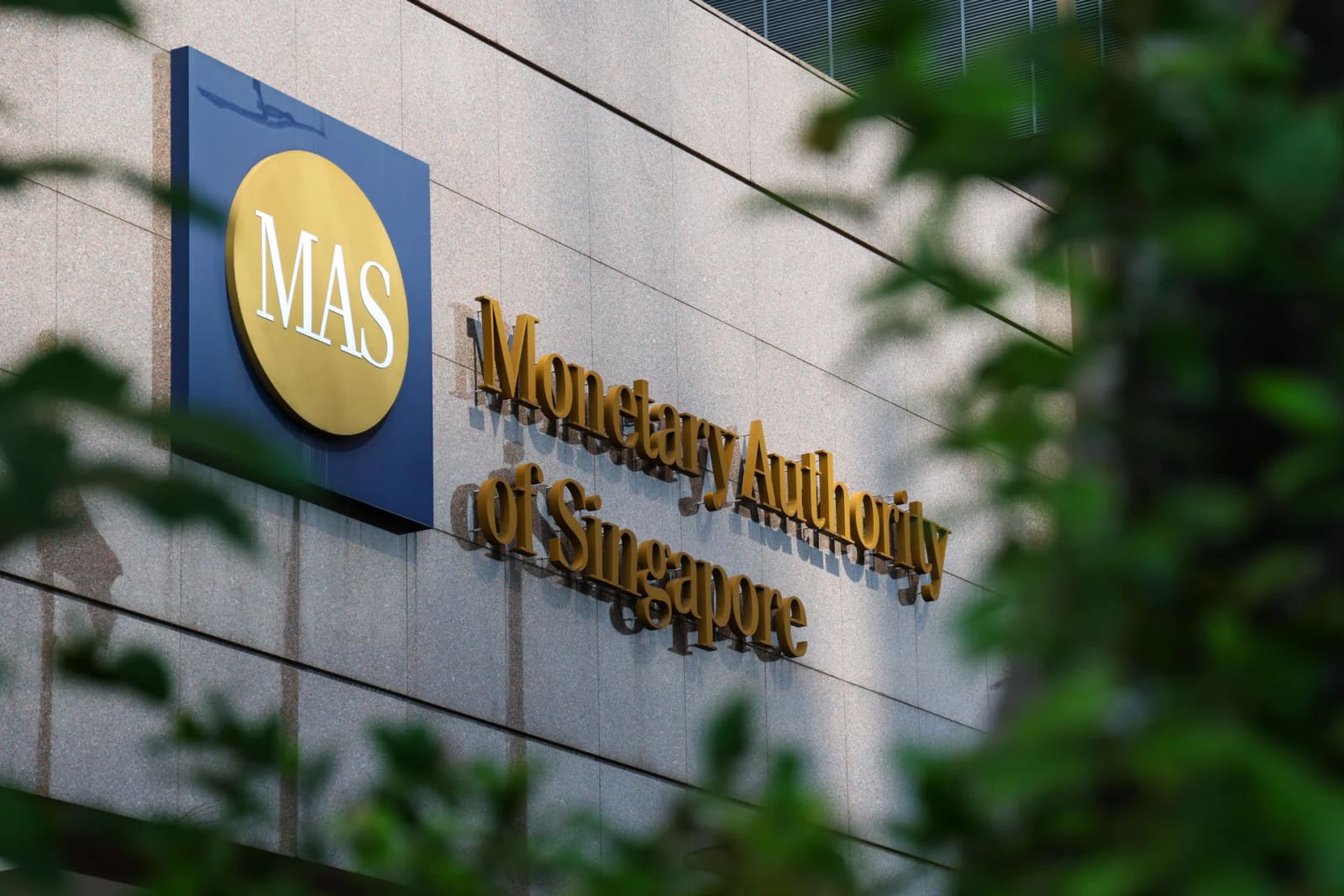
Singapore's Monetary Authority delivered an unanticipated monetary policy adjustment on July 27, steepening the slope of the Singapore dollar nominal effective exchange rate policy band while keeping its width and center level steady. The move caught most market watchers off guard, with only four of 18 economists surveyed expecting any change.
The decision marks a departure from the central bank's recent stance and signals heightened concern about inflation pressures despite a stronger economic backdrop. By adjusting the slope, MAS is allowing the Singapore dollar to appreciate at a faster rate against its basket of trading partner currencies, a mechanism designed to dampen imported inflation without resorting to interest rate changes.
Growth Outlook Drives Decision
MAS cited firmer growth prospects and building medium-term inflation risks as justification for the policy recalibration. The assessment reflects improving economic conditions across Singapore's key sectors, from financial services to manufacturing, which have shown resilience amid regional headwinds.
The central bank's more optimistic growth view underpinned what economists are calling a "half-trigger" move, a modest tightening that stops short of adjusting all three policy levers. By leaving the band's width and center unchanged, MAS preserved flexibility while still sending a clear signal about inflation vigilance.
Private-sector economists have revised their forecasts in response. Several now project another tightening as early as October, when MAS conducts its next scheduled policy review. The timing would align with the central bank's semi-annual adjustment cycle and allow policymakers to assess third-quarter data before making further moves.
Regional Context
Singapore's policy adjustment comes as other Asian central banks navigate diverging inflation trajectories. While some regional peers have begun easing cycles, Singapore faces a different set of pressures tied to its open economy and reliance on imported goods. The city-state's monetary policy operates through exchange rate management rather than interest rates, making currency appreciation the primary tool for controlling price growth.
The steeper slope means the Singapore dollar will strengthen more quickly over the policy horizon, which typically spans six months. This approach aims to reduce the cost of imports, particularly energy and food, which carry significant weight in the consumer price basket.
Market Implications
The surprise move has prompted traders to reprice expectations for the Singapore dollar. Currency analysts are now factoring in a stronger appreciation trajectory through year-end, with potential implications for exporters and multinational corporations operating in the city-state.
Financial institutions with Singapore exposure are reassessing their hedging strategies. The policy shift also carries implications for regional capital flows, as a strengthening Singapore dollar could attract portfolio inflows seeking stable returns in a well-regulated financial center.
The October policy meeting will be closely watched for signals about whether MAS intends to continue the tightening cycle or pause to assess the cumulative impact of its adjustments. Economists will monitor inflation data, wage growth, and external demand indicators for clues about the central bank's next move.
Singapore's inflation dynamics remain influenced by both domestic factors, including tight labor markets, and external pressures from global commodity prices. The central bank's forward guidance suggests it views current inflation risks as sufficiently elevated to warrant preemptive action, even as growth remains on solid footing.
The July adjustment demonstrates MAS's willingness to act between major policy reviews when conditions warrant, a flexibility that distinguishes Singapore's monetary framework from more rigid inflation-targeting regimes. Whether this signals the start of a sustained tightening cycle or a one-off recalibration will depend on how inflation and growth data evolve in coming months.
RELATED STORIES

Addvalue Technologies Lands $5 Million in Space and Radio Contracts
Tran Quoc Bao · 3 min
Singapore Tightens Stablecoin Rules to Separate Regulated Tokens From Crypto Claims
Priyanka V. Rao · 2 min

Shein Drops 4% in Hong Kong Debut as Tariff Pressure Weighs on Valuation
Priyanka V. Rao · 4 min

DBS Doubles Down on Asia, Ruling Out Global Expansion
Anand Sundaram · 3 min
Spot something wrong? Email editor@briefasia.com. We log every correction publicly.