Finance · Markets
Singapore Airlines Reports Q1 Loss as Fuel Costs Surge Nearly S$1 Billion
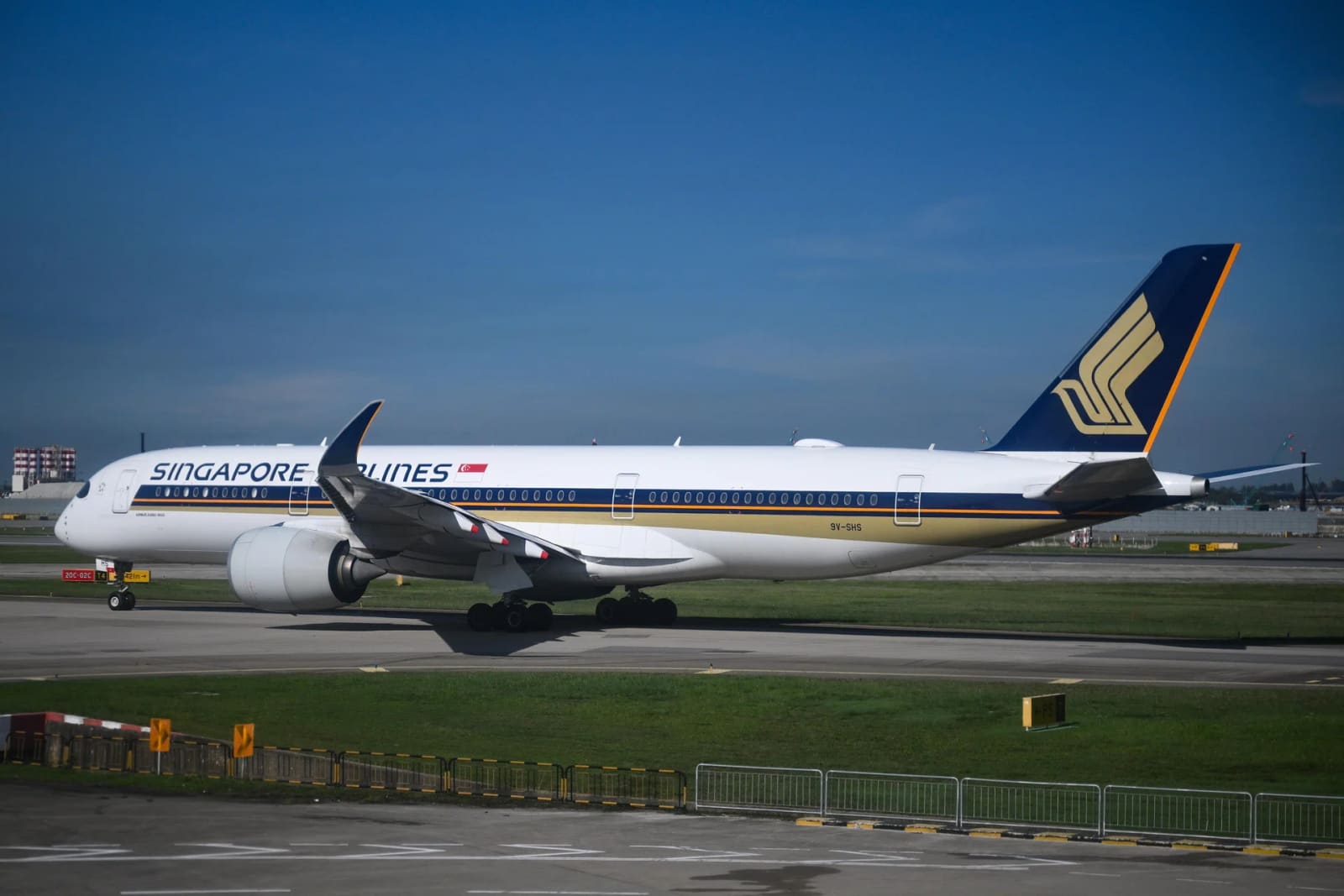
The national carrier swung to a S$76 million loss despite record quarterly revenue, weighed down by Middle East conflict-driven fuel expenses and Air India losses
KEY TAKEAWAYS
- ·Singapore Airlines recorded a net loss of S$76 million for Q1 2026, reversing a S$186 million profit a year earlier, despite achieving record quarterly revenue of S$5.7 billion.
- ·Net fuel costs surged 78.5 percent due to oil price spikes triggered by the Middle East conflict, while the carrier absorbed higher losses from its associate Air India.
- ·Keppel Real Estate Investment Trust reported a 25.2 percent rise in distributable income to S$119.6 million for H1 2026 and is selling its Tokyo office stake for US$70.2 million.
Record Revenue, Red Ink
Singapore Airlines swung to a net loss of S$76 million for the quarter ended June 30, reversing a S$186 million profit in the same period a year earlier. The loss arrived despite the carrier posting record quarterly revenue of S$5.7 billion, underscoring how rapidly escalating operational costs can overwhelm top-line growth in the aviation sector.
The national carrier attributed the loss primarily to a sharp 78.5 percent surge in net fuel costs, which climbed nearly S$1 billion quarter-on-quarter. The spike stems directly from the ongoing Middle East conflict, which has disrupted oil supply chains and pushed aviation fuel prices to multi-year highs across Asian markets.
Air India Drag Deepens
Beyond fuel, Singapore Airlines absorbed a larger share of losses from Air India, the carrier in which parent Tata Group has been investing heavily to modernize operations. The Indian airline has been burning cash as it overhauls its aging fleet and expands routes, and Singapore Airlines' equity stake means those losses flow through to the Singaporean carrier's consolidated accounts.
The combination of fuel headwinds and associate losses eroded operating profit faster than revenue could grow. For carriers across Asia, the fuel equation has become the defining variable of 2026 earnings, with hedging strategies proving inadequate against the speed and scale of price movements triggered by geopolitical instability.
Capital Allocation Under Pressure
The quarterly result puts Singapore Airlines' capital allocation under fresh scrutiny. The carrier has been investing aggressively in fleet renewal, digital infrastructure, and joint ventures across the region. Air India represents a long-term bet on India's domestic and international travel boom, but the near-term cash drain is now visible in Singapore Airlines' quarterly figures.
Investors will watch whether the carrier adjusts its hedging posture or seeks to pass fuel surcharges more aggressively onto passengers. Asian carriers have historically been cautious about surcharges, wary of eroding price competitiveness on intra-regional routes where low-cost carriers command significant share.
Market Reaction Muted
Shares of Singapore Airlines closed at S$7.77 on Tuesday, up 0.8 percent or S$0.06, before the results were released on Wednesday morning. The modest gain suggests the market had already priced in a weak quarter, with analysts having flagged fuel cost inflation in recent weeks.
The broader question for Singapore Airlines is whether fuel pressures ease in the second half of the year. If Middle East tensions persist or widen, the carrier may face a full-year loss despite robust passenger demand. Record revenue signals that travel appetite remains strong, but margin compression from input costs is the sharper edge for equity holders.
Keppel Reit Offloads Tokyo Asset
Elsewhere in Singapore's listed space, Keppel Real Estate Investment Trust announced it is divesting its majority stake in KR Ginza II, a freehold boutique office building in Tokyo, for 11.5 billion yen, equivalent to US$70.2 million. The sale is part of the trust's ongoing portfolio rebalancing as it seeks to recycle capital from mature, lower-yield assets into higher-growth opportunities.
For the first half of 2026, Keppel Reit posted a 4 percent decline in distribution per unit to S$0.0261, down from S$0.0272, driven by an enlarged unit base following recent equity raises. Distributable income from operations, however, climbed 25.2 percent year-on-year to S$119.6 million, reflecting improved operational performance across its portfolio. The ex-dividend date is August 5, with payment scheduled for September 15. Units closed 0.6 percent higher at S$0.89 on Tuesday.
The divergence between Singapore Airlines' fuel-driven loss and Keppel Reit's income growth illustrates the sectoral fault lines running through Asian markets in mid-2026. Energy-intensive industries face margin squeeze, while real estate trusts with stable lease structures and disciplined capital recycling continue to deliver cash to unitholders. For Singapore-listed equities, the second half will hinge on whether geopolitical risk premiums in oil markets begin to fade.
RELATED STORIES
Temasek Defends SIA's Air India Stake as Loss-Making Carrier Seeks $1.5 Billion
Priyanka V. Rao · 3 min
Singapore Airlines Confronts $375 Million Capital Call From Air India
Priyanka V. Rao · 3 min

Shein Drops 4% in Hong Kong Debut as Tariff Pressure Weighs on Valuation
Priyanka V. Rao · 4 min

Private Capital Floods Asia's MedTech Sector as Brain Interfaces and Robotics Draw Investors
Priyanka V. Rao · 4 min
Spot something wrong? Email editor@briefasia.com. We log every correction publicly.