Asia · Politics
Seoul Pledges Swift Action as Financial Markets Swing
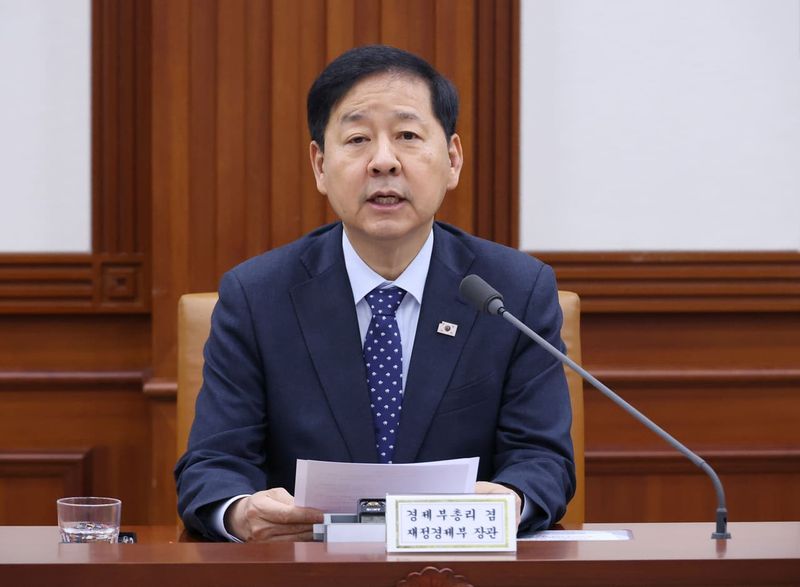
Finance minister Koo Yun-cheol signals readiness to intervene while citing strong industrial output as evidence of economic resilience
KEY TAKEAWAYS
- ·South Korea's finance minister pledged timely intervention as financial markets experience volatility, with industrial production rising 2.3 percent in June.
- ·The monthly output gain marks the strongest manufacturing advance in over two years, signaling underlying economic resilience despite market turbulence.
- ·Seoul maintains multiple policy levers including foreign exchange reserves and liquidity operations to stabilize markets when needed.
Policy Signals Amid Turbulence
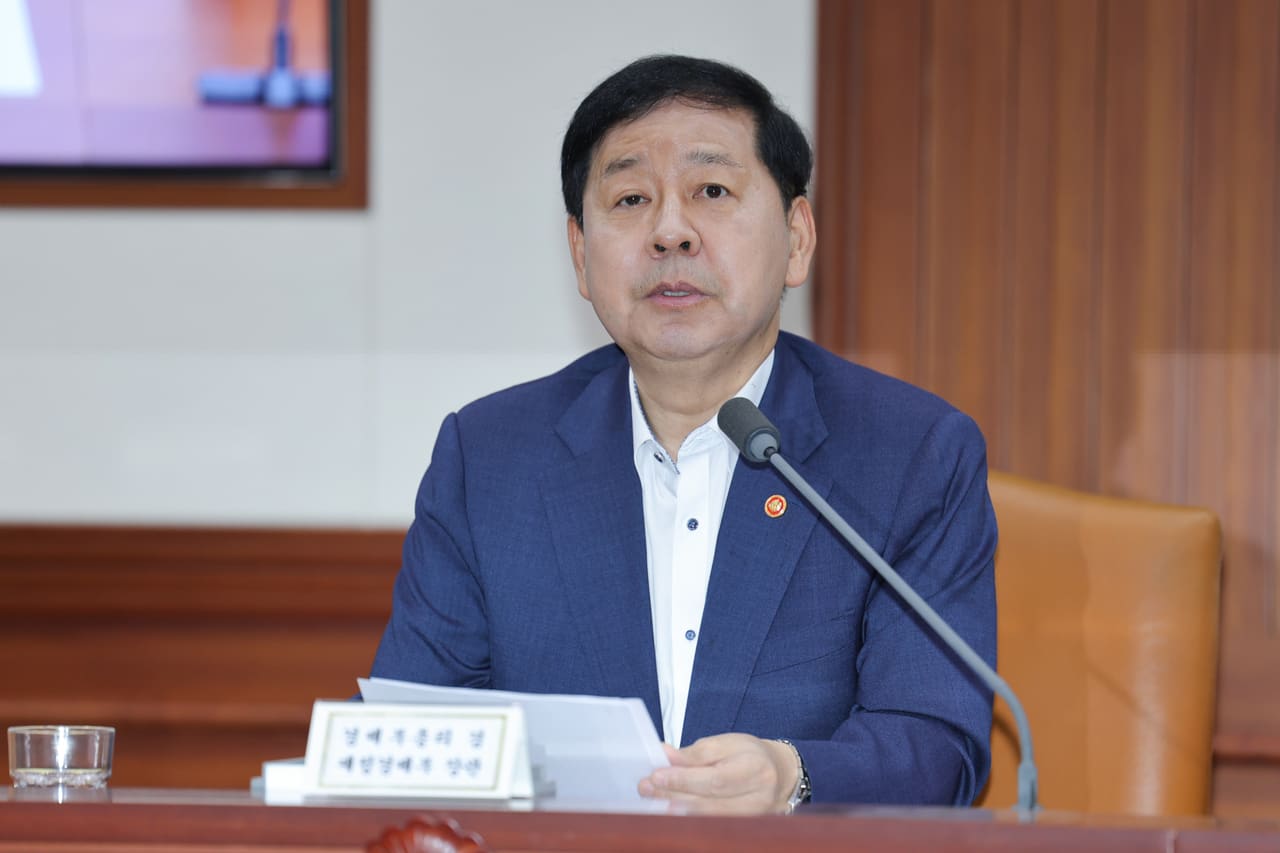
South Korea's government is preparing to deploy stabilization tools as financial markets experience turbulence, Finance Minister Koo Yun-cheol told economy-related ministers during a Friday meeting in Seoul. The pledge comes as regional markets face pressure from shifting monetary policy expectations and external shocks rippling through Asia's fourth-largest economy.
Koo emphasized that authorities would track conditions continuously and respond with appropriate measures when needed, according to the ministry. The statement reflects Seoul's longstanding playbook of verbal intervention followed by targeted policy adjustments during periods of market stress.
Industrial Output Provides Buffer
Even as volatility rattles investor sentiment, South Korea's manufacturing sector posted its strongest monthly gain in over two years. Industrial production climbed 2.3 percent in June compared with May, the sharpest advance since a 2.9 percent jump recorded in early 2024. The figures suggest that factory activity remains robust despite headwinds in export markets and tighter financial conditions.
The production data covers key sectors including semiconductors, automobiles, and petrochemicals, which together account for roughly half of South Korea's exports. Seoul has leaned on this manufacturing strength to argue that near-term market swings do not reflect deeper structural weakness in the economy.
Policy Toolkit and Market Confidence
South Korean authorities maintain several levers to address financial instability. The government can deploy foreign exchange reserves to smooth currency movements, adjust capital flow measures, or coordinate with the Bank of Korea on liquidity operations. In previous episodes of market strain, Seoul has also signaled its willingness to backstop corporate bond markets and support bank lending channels.
The finance ministry's emphasis on "timely" intervention suggests officials are monitoring threshold levels for won depreciation, equity index declines, or credit spread widening. Past interventions have typically occurred when the won weakens beyond psychologically important levels or when foreign outflows accelerate.
Market participants will watch for concrete policy moves in coming sessions. Verbal commitments from Seoul often precede more tangible actions, including coordination with other regional finance ministries or adjustments to macroprudential settings.
Regional Context and Trade Exposure
South Korea's vulnerability to external shocks stems partly from its deep integration into global supply chains and heavy reliance on export demand. The economy ships roughly 40 percent of GDP overseas, with China, the United States, and ASEAN markets absorbing the bulk of outbound goods. Any disruption in these trade corridors or shift in demand patterns can quickly transmit through to domestic financial conditions.
Recent volatility in regional currencies and equity markets has been driven by diverging central bank policies, geopolitical tensions, and reassessment of growth trajectories in major economies. South Korea's financial markets often move in tandem with other Northeast Asian bourses, amplifying the impact of sentiment shifts.
The government's readiness to act reflects lessons learned from previous crises, including the 1997 Asian financial turmoil and the 2008 global meltdown. Seoul has since built up substantial foreign reserves and established swap lines with key trading partners to enhance its crisis response capacity.
Investors will be parsing upcoming data releases for signs of whether the industrial production rebound can be sustained and whether consumer spending and business investment hold up amid financial market jitters. The interplay between real economic momentum and market sentiment will shape the scale and timing of any government intervention.
RELATED STORIES
South Korea Breaks Full-Year Export Record in September
Tran Quoc Bao · 3 min
SK Hynix Union Rejects Wage Deal in Razor-Thin Vote
Cheng Wei-Lun · 3 min
South Korea's Export Surge Powers Economic Upturn Through Third Quarter
Jun-ho Seo · 4 min
South Korea Targets $40,000 Per Capita Income as GDP Growth Accelerates
Jun-ho Seo · 4 min
Spot something wrong? Email editor@briefasia.com. We log every correction publicly.