Asia · Politics
Seoul Pledges Stock Market Intervention as Finance Chief Defends Economic Performance
Minister Koo Yun-cheol says South Korea is delivering unprecedented results while committing to stabilize volatile equity markets
KEY TAKEAWAYS
- ·South Korea's finance minister declared the economy is delivering unprecedented results across growth, exports, inflation, and sentiment indicators.
- ·Seoul pledged to stabilize the stock market, signaling potential fiscal or regulatory intervention amid heightened volatility in Asian equities.
- ·The government's confidence rests on sustained export strength in semiconductors and autos, plus moderating inflation that preserves policy flexibility.
Bullish Assessment Amid Regional Uncertainty
South Korea's finance minister struck an optimistic note on the country's economic trajectory, describing current performance as stronger than any previous period while signaling readiness to intervene in equity markets that have whipsawed investors across Asia this year.
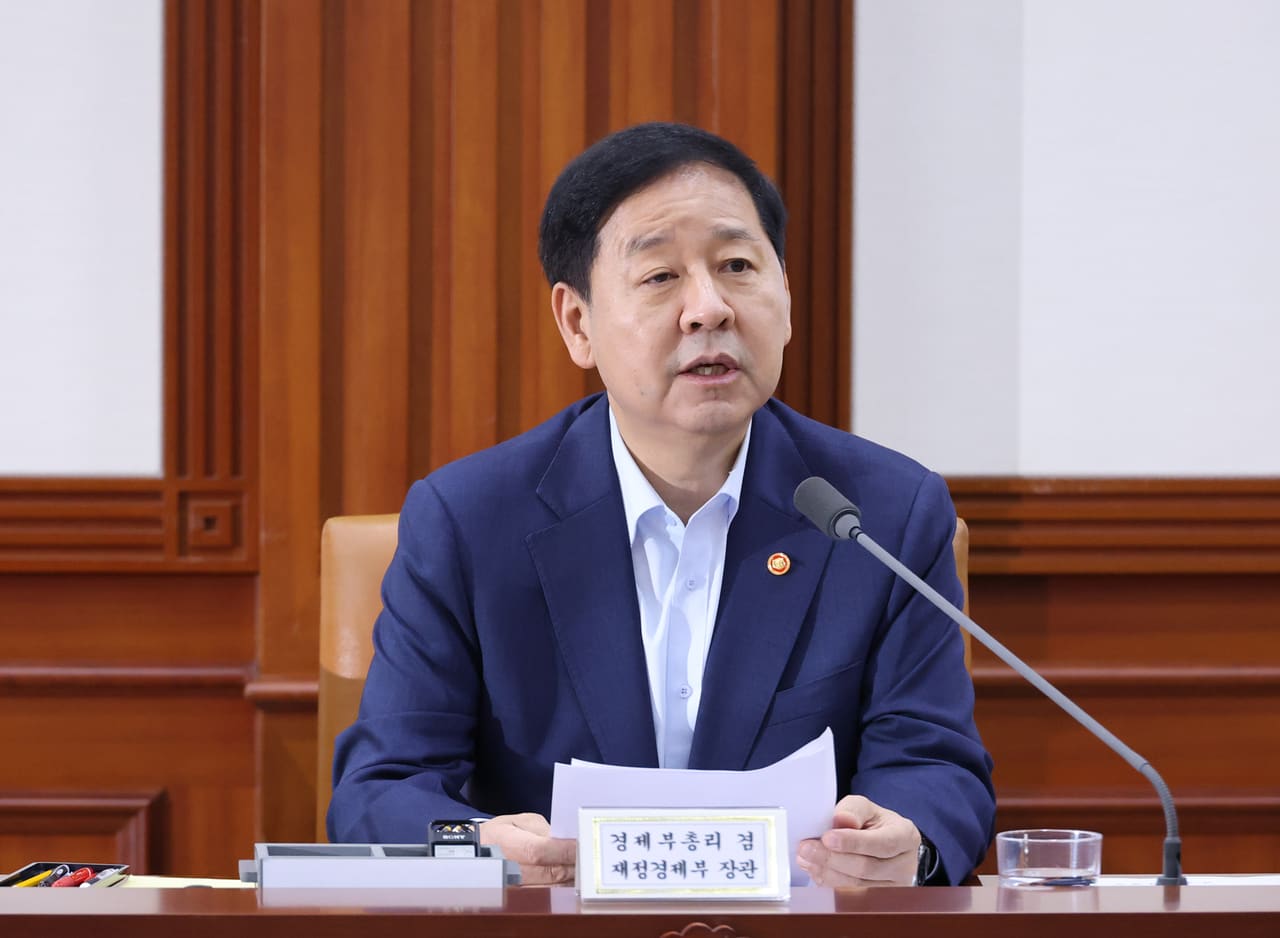
Finance Minister Koo Yun-cheol told a gathering of economy-related ministers in Seoul on Thursday that the nation is delivering results across multiple fronts, according to official statements. The assertion comes as regional peers grapple with uneven recoveries and as Seoul faces pressure to demonstrate resilience in export-dependent sectors.
"The South Korean economy is more solid than ever and is achieving unprecedented results," Koo said during the ministerial meeting. He pointed to what he characterized as robust real-economy indicators alongside favorable macroeconomic readings spanning growth, export volumes, inflation trends, and sentiment gauges among both consumers and businesses.
Commitment to Market Stability
The finance chief's remarks included a pledge to deploy measures aimed at stabilizing the country's stock market, which has experienced heightened volatility in recent months alongside broader turbulence in Asian equities. While Koo did not outline specific tools or timelines, the commitment signals Seoul's willingness to use fiscal or regulatory levers to shore up investor confidence.
South Korea's equity benchmark has tracked regional swings tied to shifting expectations around U.S. monetary policy, semiconductor demand cycles, and geopolitical friction affecting supply chains. The government's vow to act reflects concern that sustained volatility could dampen corporate investment and household wealth effects, both critical to domestic consumption.
Export Engine and Inflation Dynamics
Koo's confidence rests in part on export performance, a perennial pillar of South Korea's growth model. Shipments of semiconductors, batteries, and automotive components have remained elevated even as global trade volumes show pockets of weakness. The minister's reference to inflation suggests price pressures have moderated from earlier peaks, offering room for the Bank of Korea to maintain accommodative policy settings if needed.
Consumer and business sentiment indicators, often early signals of spending and hiring intentions, have also held up better than in some neighboring economies where pandemic-era fiscal support has fully unwound. That resilience gives Seoul's policymakers a buffer, though external shocks from energy markets or abrupt shifts in Chinese demand remain latent risks.
Regional Context and Policy Maneuvering
Seoul's upbeat messaging contrasts with more cautious tones struck by finance officials in Tokyo and Jakarta, where growth forecasts have been trimmed and fiscal headroom has narrowed. South Korea's relatively contained debt-to-GDP ratio and current-account surplus afford it greater flexibility to respond to shocks, whether through direct market support or expanded public investment.
The finance ministry has historically used tools ranging from pension-fund equity purchases to foreign-exchange smoothing operations when markets dislocate. Market participants will watch for clarity on whether the latest pledge translates into coordinated action with the Financial Services Commission or the central bank.
What Lies Ahead
The coming quarters will test whether Koo's assessment holds as global interest rates remain elevated and as China's stimulus measures yield mixed results for Korean exporters. Any government intervention in equities will also invite scrutiny over market distortion and the sustainability of support measures.
For now, Seoul is projecting confidence, betting that strong fundamentals and proactive policy can insulate the economy from regional crosswinds. Whether that optimism is rewarded depends on variables largely beyond the finance ministry's control, from semiconductor pricing to geopolitical stability across the Taiwan Strait and the Korean Peninsula.
RELATED STORIES
Homeplus Secures Funding and Resumes Operations as Court Deadline Looms
Jun-ho Seo · 4 min
Incheon Airport Launches Korea's First Passenger-to-Freighter Conversion Service
Cheng Wei-Lun · 3 min
Washington's Polysilicon Tariffs Set to Squeeze Korean Solar Producers
Cheng Wei-Lun · 3 min
South Korea's Food Costs Surge as Summer Heat Ravages Farms
Jun-ho Seo · 5 min
Spot something wrong? Email editor@briefasia.com. We log every correction publicly.