Finance · Markets
Seoul's Leveraged-ETF Flip Reopens Korea Discount Debate
Whiplash rule change on single-stock products raises fresh doubts about policy consistency in Asia's fourth-largest equity market
KEY TAKEAWAYS
- ·South Korea reversed approval of single-stock leveraged ETFs within weeks, tightening rules amid conflicting signals from senior officials.
- ·The whiplash has revived concerns that regulatory unpredictability contributes to the country's persistent equity valuation discount versus regional peers.
- ·Asset managers and institutional investors are calling for clearer consultation processes and advance notice before major rule changes take effect.
Policy Whiplash
South Korea's financial regulators have handed global investors a fresh reminder of the policy uncertainty that many believe underpins the country's chronic equity discount. Within weeks of approving single-stock leveraged exchange-traded funds, authorities moved to tighten the rules, a reversal that unfolded against a backdrop of mixed signals from senior officials.
The speed and opacity of the shift have turned what might have been a technical adjustment into a broader test of Seoul's regulatory credibility. For asset managers who had begun planning product launches and retail brokers who had started marketing the instruments, the episode underscores a familiar pattern: policy frameworks in Asia's fourth-largest equity market can change faster than the business cycle.
Financial Services Commission officials initially greenlit the products earlier this year, citing demand for sophisticated hedging tools and the need to deepen domestic capital markets. The instruments, which amplify daily moves in individual stocks using derivatives, had been pitched as a way to attract younger, more active traders and narrow the gap between Seoul's market infrastructure and that of Hong Kong or Tokyo.
Yet by mid-summer, the tone had shifted. Regulators announced stricter leverage caps, enhanced disclosure requirements, and cooling-off periods for retail investors. The pivot came after internal debates within the commission and public criticism from lawmakers concerned about speculative excess.
Conflicting Signals
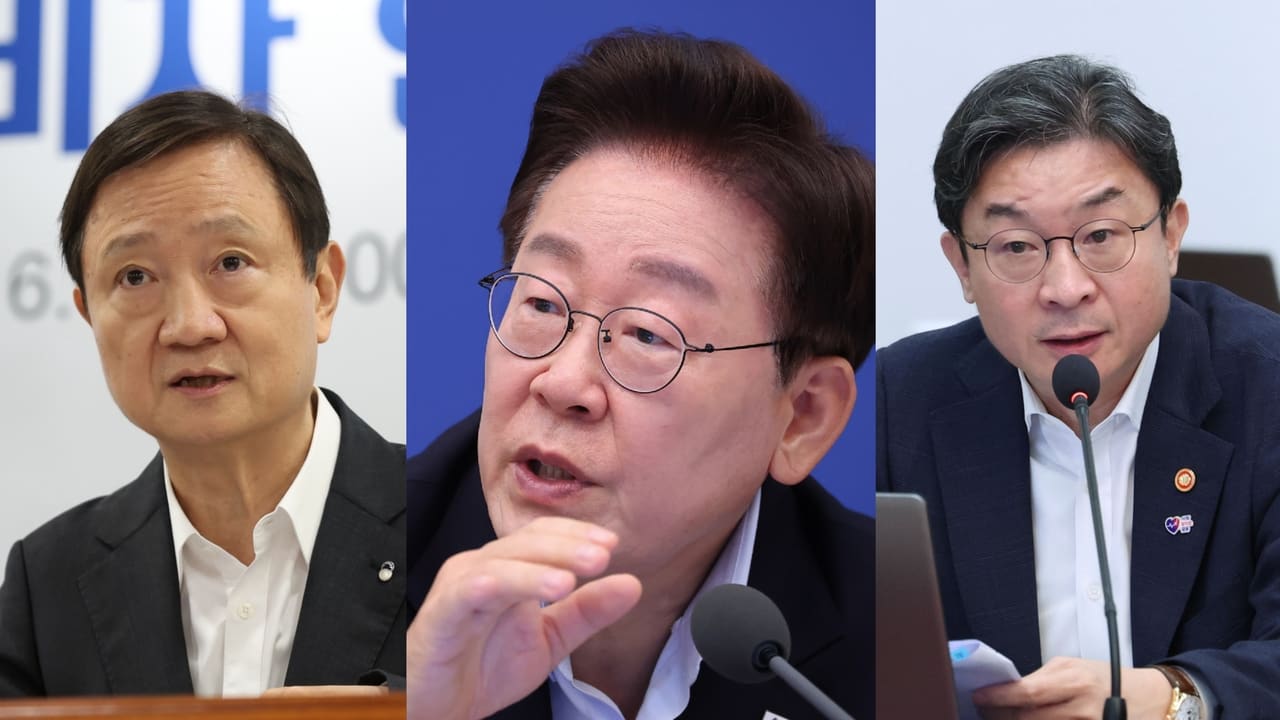
What unsettled market participants was not the tightening itself but the conflicting commentary that accompanied it. One senior official suggested the original approval had been premature; another defended the products as essential for market modernization. The dissonance fed perceptions that policy was being made on the fly, without a clear roadmap or consensus.
For foreign institutional investors, the episode is less about leveraged ETFs than about the predictability of the rule book. South Korean equities have long traded at a discount to regional peers, a gap that analysts attribute to governance concerns, family-controlled conglomerates, and dividend policies. Regulatory inconsistency adds another variable to an already complex risk equation.
The Korea Exchange, which had prepared systems to list the new products, declined to comment on the timeline for any launches. Several asset managers privately acknowledged they had paused development work until the regulatory environment stabilizes.
The Broader Context
Seoul is not alone in grappling with how to regulate high-octane retail products. Regulators in Tokyo, Singapore, and Hong Kong have all imposed or debated restrictions on leveraged instruments in recent years, particularly after episodes of retail speculation in meme stocks or cryptocurrency-linked funds.
The difference lies in process. In markets with more transparent rule-making, consultations are published, timelines are known, and policy shifts are telegraphed through discussion papers or pilot programs. When changes do occur, they follow a pattern that market participants can anticipate.
South Korea's approach has been more reactive. The initial approval of single-stock leveraged ETFs appeared to reflect enthusiasm for financial innovation; the subsequent pullback suggested concern about retail risk. Neither phase involved extensive public consultation or a clear articulation of the trade-offs.
Investor Implications
For the asset management industry, the uncertainty complicates product development and capital allocation. Firms that invest in systems, legal reviews, and marketing campaigns need reasonable confidence that the rules will remain stable long enough to recover those costs. When that confidence erodes, the rational response is to delay or redirect resources to more predictable jurisdictions.
The episode also matters for retail investors. South Korea has one of the world's most active retail trading cultures, with millions of individuals holding equity accounts and a growing appetite for derivatives. Inconsistent regulation can leave those investors exposed to sudden rule changes that affect portfolio strategies or lock in losses.
Pension funds and sovereign wealth funds that allocate to Korean equities are watching as well. While single-stock leveraged ETFs are a niche product, the handling of the issue feeds into broader assessments of governance and rule-of-law risk. For long-term allocators, policy volatility is a discount factor in valuation models.
What Comes Next
The Financial Services Commission has signaled it will conduct a broader review of leveraged and inverse products, including those tied to indices rather than single stocks. The review is expected to take several months, during which the regulatory framework will remain in flux.
Market participants are calling for clearer communication and more structured consultation. Industry groups have proposed formal comment periods for rule changes, advance notice requirements, and published criteria for when products will be approved or restricted.
Whether Seoul will adopt those practices remains an open question. The Korea discount has persisted for years despite periodic reform efforts, and regulatory culture does not change overnight. For now, the leveraged-ETF reversal stands as the latest chapter in a longer story about credibility, consistency, and the cost of policy uncertainty in one of Asia's most dynamic but undervalued markets.
RELATED STORIES

Japan Deploys $96.5 Billion in Currency Intervention to Halt Yen's Slide
Aiko Nakamura · 3 min
Seoul Markets Tumble as Tech Selloff Ripples Across Asia
Cheng Wei-Lun · 3 min

Samsung Biologics Plans $2.2 Billion Rights Offering to Fund Peptide Acquisition
Jun-ho Seo · 3 min
South Korea Extends Trading Hours to Attract Foreign Capital
Anand Sundaram · 2 min
Spot something wrong? Email editor@briefasia.com. We log every correction publicly.