Finance · Markets
Seoul's KOSPI Surges Record 18% as Chip Stocks Rebound on Microsoft Earnings
South Korea's benchmark index reclaimed the 6,500-point threshold in its largest single-day gain, reversing a three-session rout as semiconductor optimism returned
KEY TAKEAWAYS
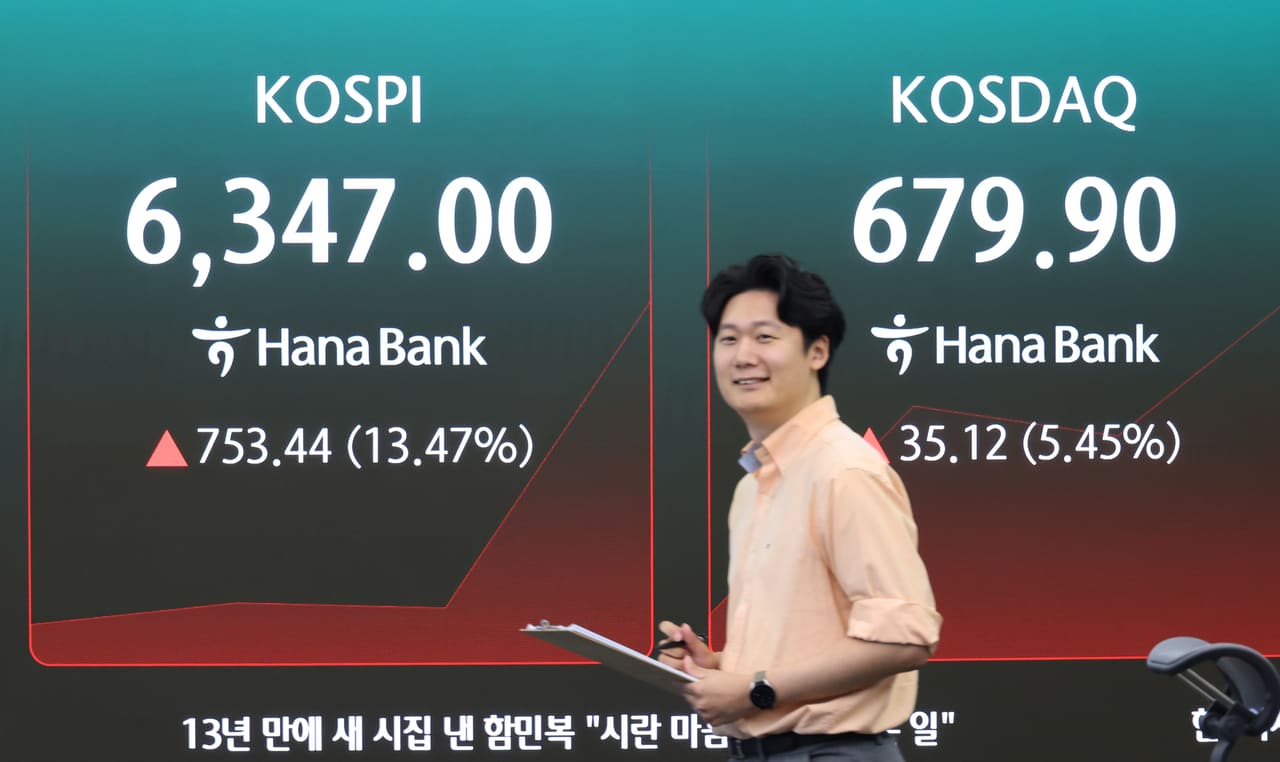
- ·South Korea's KOSPI jumped 1,001.89 points to close at 6,595.45, a record 17.91 percent single-day gain.
- ·Semiconductor stocks led the recovery after Microsoft reported stronger-than-expected AI infrastructure spending in quarterly results.
- ·The rally reversed a three-session selloff but volatility is expected to persist pending additional cloud provider earnings.
Historic Rally Ends Three-Day Slide
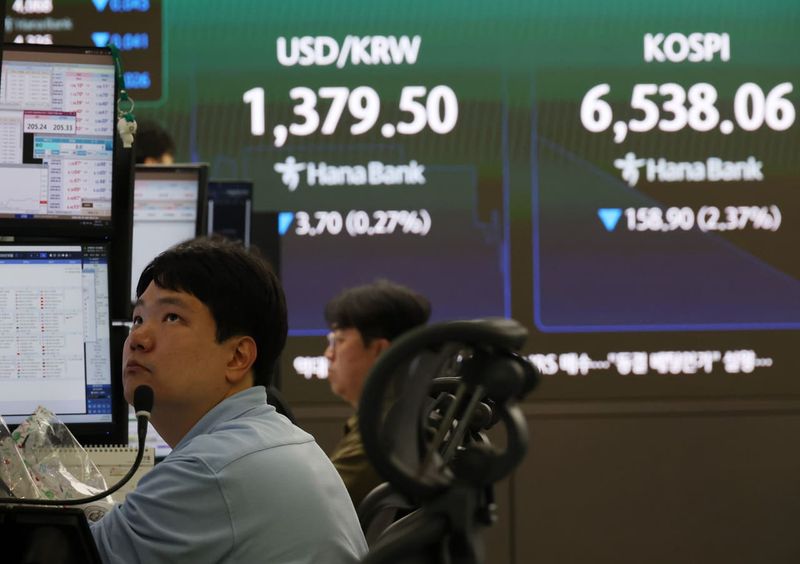
South Korea's equity market delivered its strongest single-session performance on record Friday, with the Korea Composite Stock Price Index climbing 1,001.89 points to close at 6,595.45. The 17.91 percent surge marked a dramatic reversal from a three-day selloff that had pushed the benchmark below 5,600 points earlier in the week.
The rally was fueled primarily by semiconductor stocks, which had been at the center of the recent downturn. Investor sentiment shifted sharply after Microsoft reported quarterly results that exceeded Wall Street expectations, signaling that enterprise spending on artificial intelligence infrastructure remains robust despite earlier concerns about return on investment.
The won strengthened against the dollar as foreign capital flows returned to Korean equities. Trading volumes spiked across major exchanges as institutional and retail investors rushed back into technology names that had been oversold during the prior week's panic.
Chip Sector Leads Recovery
Semiconductor manufacturers led the rebound, with the sector's outsized weight in the KOSPI amplifying the index's gains. The recovery reflects renewed confidence in the AI hardware supply chain, particularly among investors who had grown anxious about whether hyperscale cloud providers would maintain their capital expenditure plans.
Microsoft's earnings call provided concrete evidence that demand for AI-optimized chips and memory products continues to accelerate. The Redmond-based company disclosed higher-than-anticipated data center investments for the coming quarters, a signal that eased fears of a spending pullback among the major cloud platforms.
Korean chipmakers have been caught in the crossfire of competing narratives this year. On one side, booming AI demand has driven memory prices higher and pushed foundry utilization rates near capacity. On the other, investors have worried that the rapid pace of infrastructure buildout might not be sustainable, creating the risk of a sharp correction if enterprise adoption of AI tools fails to keep pace with supply.
Friday's rally suggests the market is now pricing in a more optimistic scenario, at least in the near term. Analysts note that the speed and magnitude of the rebound indicate significant short covering, as traders who had bet against Korean tech stocks scrambled to exit positions.
Regional Context and Capital Flows
The KOSPI's performance stands out even in a region known for volatility. While other Asian markets have experienced sharp swings tied to technology sector sentiment, few have seen single-day moves of this scale. The index's rebound also highlights South Korea's concentrated exposure to the semiconductor cycle, which accounts for a substantial portion of the country's exports and market capitalization.
Foreign institutional investors, who had been net sellers during the previous week's downturn, returned as buyers on Friday. The shift in positioning reflects both technical factors and a reassessment of earnings risk. With Microsoft's results offering a template for what other hyperscalers might report in the coming weeks, portfolio managers appear willing to re-enter positions they had trimmed.
The won's appreciation against the dollar also supported equity inflows, as currency hedging costs declined and the relative attractiveness of Korean assets improved. Central bank data will be watched closely in coming sessions to gauge whether the capital inflow represents a sustained shift or a short-term tactical move.
Volatility Likely to Persist
Despite Friday's dramatic recovery, market participants caution that volatility is likely to remain elevated. The KOSPI's 18 percent single-day gain, while historic, follows an equally severe selloff that erased weeks of prior gains. The back-and-forth price action underscores the degree to which sentiment around AI spending can drive rapid revaluations of technology-heavy indexes.
Upcoming earnings reports from other major cloud and semiconductor companies will be critical in determining whether the rebound has staying power. If results align with Microsoft's positive tone, Korean chip stocks could extend their gains. However, any disappointment or cautious guidance could trigger another round of selling.
Market analysts also point to broader macroeconomic factors that could influence near-term direction. Interest rate expectations, trade policy developments, and China's economic trajectory all carry weight for Korean equities, particularly given the country's export-oriented growth model.
For now, the record rally has restored confidence among investors who endured a bruising few sessions. Whether the 6,500-point level holds will depend on the durability of AI demand and the ability of Korean chipmakers to sustain their competitive positioning in a rapidly evolving landscape.
RELATED STORIES
Seoul Stocks Drop on Mideast Tensions and Oil Price Surge
Tran Quoc Bao · 3 min
Samsung Electronics Drops 8% as Market Questions Buyback Strategy
Cheng Wei-Lun · 2 min
Index Funds Face Hidden Concentration Risk From AI Boom
Cheng Wei-Lun · 3 min
Seoul Markets Tumble as Tech Selloff Ripples Across Asia
Cheng Wei-Lun · 3 min
Spot something wrong? Email editor@briefasia.com. We log every correction publicly.