Finance · Markets
Seoul's KOSPI Jumps 13 Percent as Chip Stocks Rally on Microsoft Earnings
South Korean equities rebounded sharply after three days of losses, lifted by semiconductor shares tracking overnight U.S. tech gains
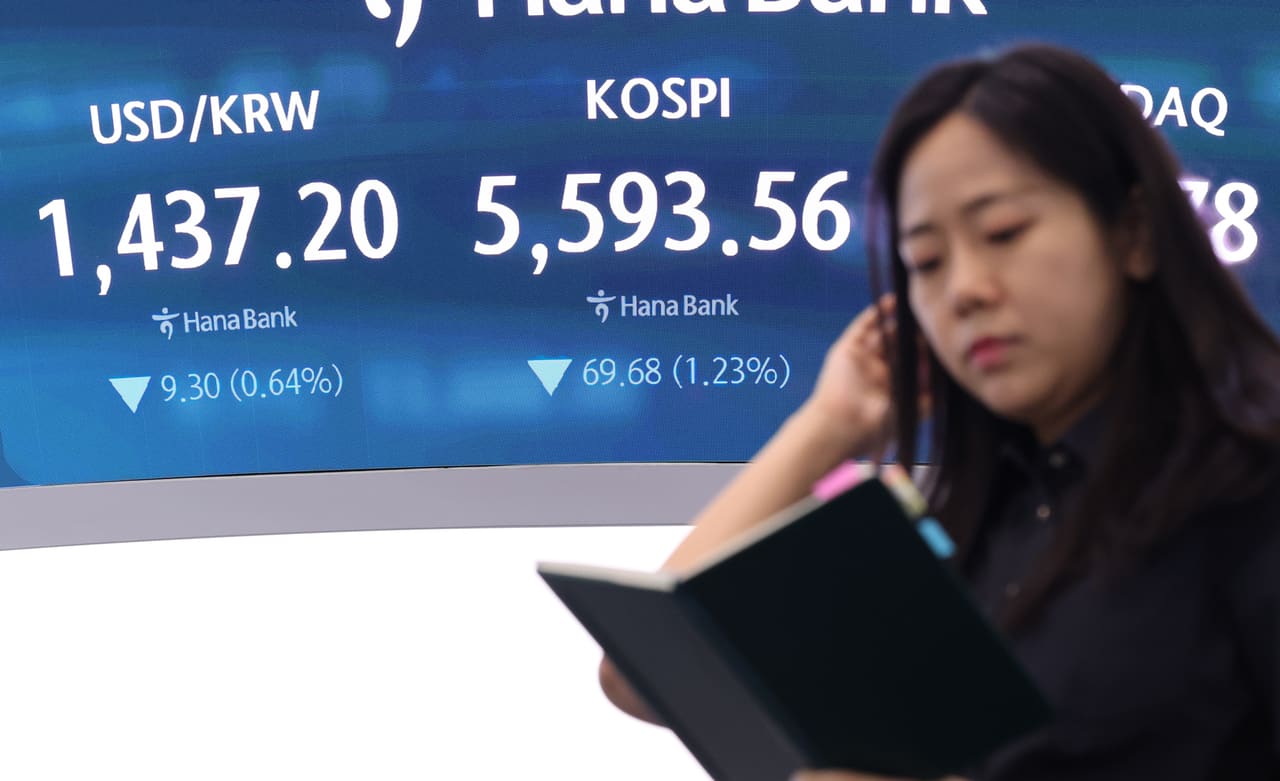
KEY TAKEAWAYS
- ·South Korea's KOSPI surged 727 points to 6,320.98 in early trading Friday, a 13 percent gain reversing three consecutive sessions of losses.
- ·Semiconductor stocks drove the rally after Microsoft reported strong quarterly earnings, lifting sentiment for Asian chip suppliers tied to U.S. tech demand.
- ·The rebound's durability depends on follow-through buying and whether Korean chipmakers confirm improving order trends in their own earnings reports.
Sharp Rebound After Three-Day Selloff
South Korean equities opened with explosive gains Friday morning, climbing 727 points to reach 6,320.98 as of 9:15 a.m. local time. The Korea Composite Stock Price Index surged 13 percent from the previous close, marking one of the sharpest single-session recoveries this year.
The benchmark had opened 1.15 percent higher before widening gains rapidly in the first minutes of trading. The rally follows three consecutive sessions of steep declines that had pushed the index near multi-month lows.
Semiconductor stocks led the advance, tracking overnight strength in U.S. technology shares. Microsoft reported quarterly earnings that exceeded analyst expectations, triggering a broad rally across American tech giants and lifting sentiment for Asian chip manufacturers that supply components and manufacturing capacity to the sector.
Regional Chip Exposure Drives Volatility
South Korea's equity market carries concentrated exposure to the global semiconductor cycle through major manufacturers and suppliers. When U.S. tech demand signals strengthen, Korean chip stocks typically respond with amplified moves, both upward and downward.
The sharp reversal underscores how tightly Asian technology equities remain tied to earnings momentum among American platform companies. Microsoft's results offered concrete evidence of sustained enterprise spending on cloud infrastructure and artificial intelligence workloads, categories that drive orders for memory chips, logic semiconductors, and advanced packaging services.
Korean chipmakers have faced headwinds in recent quarters from inventory corrections and softer consumer electronics demand. A reacceleration in hyperscale data center buildouts would provide material relief, particularly for memory chip producers that have seen pricing pressure ease but volumes remain below peak levels.
Broader Market Implications
The magnitude of Friday's opening surge reflects both the depth of the prior selloff and the sensitivity of Korean equities to external signals. A 13 percent single-session gain is rare outside crisis periods and suggests that positioning had become heavily skewed toward caution.
Institutional investors had reduced exposure to Korean stocks amid concerns over slowing Chinese growth, uncertain U.S. monetary policy, and cyclical headwinds in key export sectors. The Microsoft earnings report appears to have catalyzed a sharp reassessment of near-term risk.
Whether the rally sustains through the trading session will depend on follow-through buying from domestic institutions and foreign portfolio managers. Opening moves can reverse quickly if profit-taking emerges or if broader Asian markets fail to confirm the rebound.
What Comes Next
Traders will watch whether the KOSPI can hold above the 6,000 level through the close, a threshold that had provided support earlier in the year. Sustained strength would require confirmation from earnings reports by Korean semiconductor manufacturers themselves, not just reflected optimism from U.S. tech results.
The broader context remains mixed. While American technology earnings have started the reporting season on a strong note, economic data from China continues to show weakness in manufacturing and domestic consumption. South Korea's export-driven economy remains vulnerable to any slowdown in its largest trading partner.
Currency moves will also factor into the durability of the equity rally. A stronger won could dampen export competitiveness, while further weakness might signal capital outflows that offset equity gains. The Bank of Korea has maintained a cautious stance on monetary policy, leaving rates steady as it balances growth concerns against persistent inflation.
For now, the sharp opening rebound offers relief to investors who endured three difficult sessions. Whether it marks a turning point or a temporary reprieve will become clearer as the session progresses and as more data emerges from corporate earnings across the region.
RELATED STORIES
South Korea Extends Trading Hours to Attract Foreign Capital
Anand Sundaram · 2 min
Seoul Stocks Drop on Mideast Tensions and Oil Price Surge
Tran Quoc Bao · 3 min
Seoul Markets Tumble as Tech Selloff Ripples Across Asia
Cheng Wei-Lun · 3 min
Samsung Electronics Drops 8% as Market Questions Buyback Strategy
Cheng Wei-Lun · 2 min
Spot something wrong? Email editor@briefasia.com. We log every correction publicly.