Asia · Trade
Seoul's Industry Chief Returns to Washington as Trade Pressure Mounts
Kim Jung-kwan's trip underscores Seoul's efforts to navigate escalating bilateral tensions over tariffs and investment commitments
KEY TAKEAWAYS
- ·Industry Minister Kim Jung-kwan traveled to Washington as the US presses South Korea to speed up investment pledges tied to bilateral tariff agreements.
- ·Washington views delays in factory and semiconductor facility construction as a test of Seoul's reliability as a trade partner.
- ·The visit reflects growing transactional friction in US-Korea trade relations, with American officials linking market access to concrete capital inflows.
Another Mission to Washington
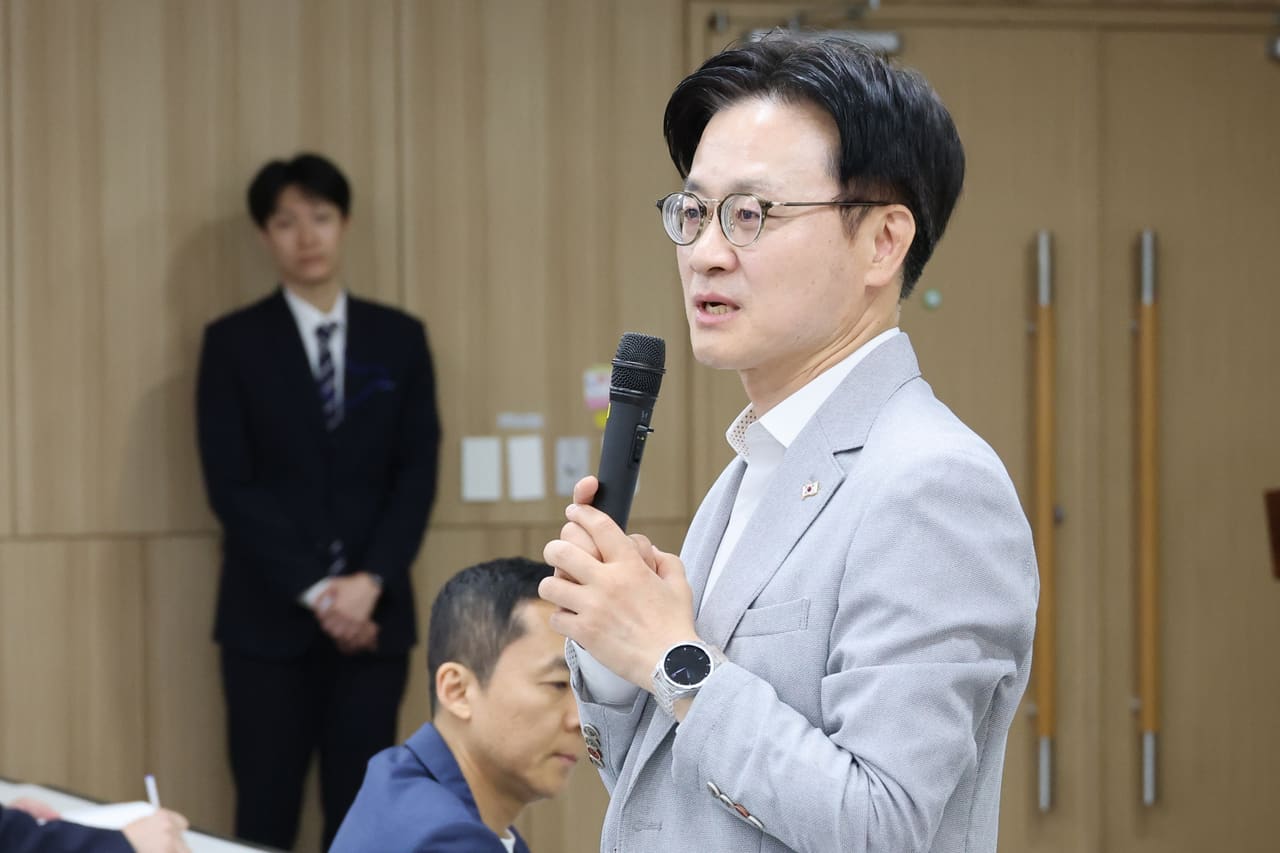
Industry Minister Kim Jung-kwan left for the United States early Sunday, marking his latest effort to manage a deteriorating trade relationship between Seoul and Washington. The visit comes as American officials ratchet up demands that South Korea deliver faster on investment promises linked to tariff relief agreements struck earlier this year.
The timing reflects the fragility of the bilateral economic relationship. Multiple trade disputes remain unresolved, and Washington has signaled impatience with the pace of South Korean corporate commitments. Kim's ministry indicated that US authorities plan to announce results from ongoing tariff discussions, though no firm date has been disclosed.
Investment Pledges Under Scrutiny
At the heart of the current friction lies a bilateral tariff framework negotiated in recent months. Under that arrangement, South Korea secured relief on certain exports in exchange for commitments to expand manufacturing and technology investments on American soil. US trade officials now argue that Seoul's execution has lagged behind the timetable both sides agreed upon.
The pressure extends beyond tariff relief. Washington has pushed Korean conglomerates to accelerate factory construction, semiconductor facility expansions, and battery plant development across several US states. These projects carry multibillion-dollar price tags and face logistical, permitting, and supply-chain hurdles that Seoul insists require more time.
American negotiators, however, view the delays as a test of South Korea's reliability as a trade partner. With midterm political cycles approaching in the US, trade deals that fail to produce visible job creation or capital inflows risk becoming political liabilities for the administration that signed them.
A Pattern of High-Level Diplomacy
Kim's trip is not his first to Washington this year. The minister has shuttled between Seoul and the US capital repeatedly as both governments attempt to stabilize a relationship strained by competing economic priorities. South Korea depends on access to the American market for key exports, including automobiles, electronics, and advanced manufacturing components. The US, meanwhile, seeks to diversify supply chains away from China and views South Korea as a critical partner in that effort.
Yet the partnership has grown more transactional. Washington increasingly frames trade concessions as contingent on concrete investment flows, a shift from earlier frameworks that prioritized market access and regulatory alignment. Seoul has struggled to meet these expectations while balancing domestic political pressures and corporate risk assessments.
What Comes Next
The outcome of Kim's visit will likely determine the near-term trajectory of US-Korea trade relations. If Washington announces new tariff measures or enforcement actions, Seoul will face difficult choices about how to respond without triggering a broader escalation. Conversely, if both sides reach an interim understanding on investment timelines, the current tension may ease temporarily.
South Korean officials privately acknowledge that the US holds significant leverage. American tariffs on key Korean exports could disrupt supply chains and erode the competitiveness of major exporters. At the same time, Seoul's negotiators believe that overpromising on investment timelines risks creating future diplomatic crises if projects fall short.
For now, Kim's presence in Washington signals Seoul's recognition that the trade relationship requires constant attention and high-level engagement. Whether that effort translates into tangible progress remains uncertain, but the alternative - allowing tensions to fester - carries risks neither capital can afford.
RELATED STORIES
Seoul Races to Salvage $200 Billion US Investment Rollout
Cheng Wei-Lun · 3 min
Trump Exemption Opens US Naval Contracts to Foreign Yards
Cheng Wei-Lun · 3 min
SK Keyfoundry Commits $64 Million to Expand 8-Inch Wafer Capacity
Cheng Wei-Lun · 3 min
South Korea's Brokerages Face New Civil Liability Risk After Samsung Securities Ruling
Cheng Wei-Lun · 3 min
Spot something wrong? Email editor@briefasia.com. We log every correction publicly.