Asia · Business
Schoo CEO Launches New Venture in Fukuoka to Support Regional Business Growth
Kenshiro Mori establishes Lolll as part of strategy to strengthen entrepreneurship outside Tokyo's traditional tech corridors
KEY TAKEAWAYS
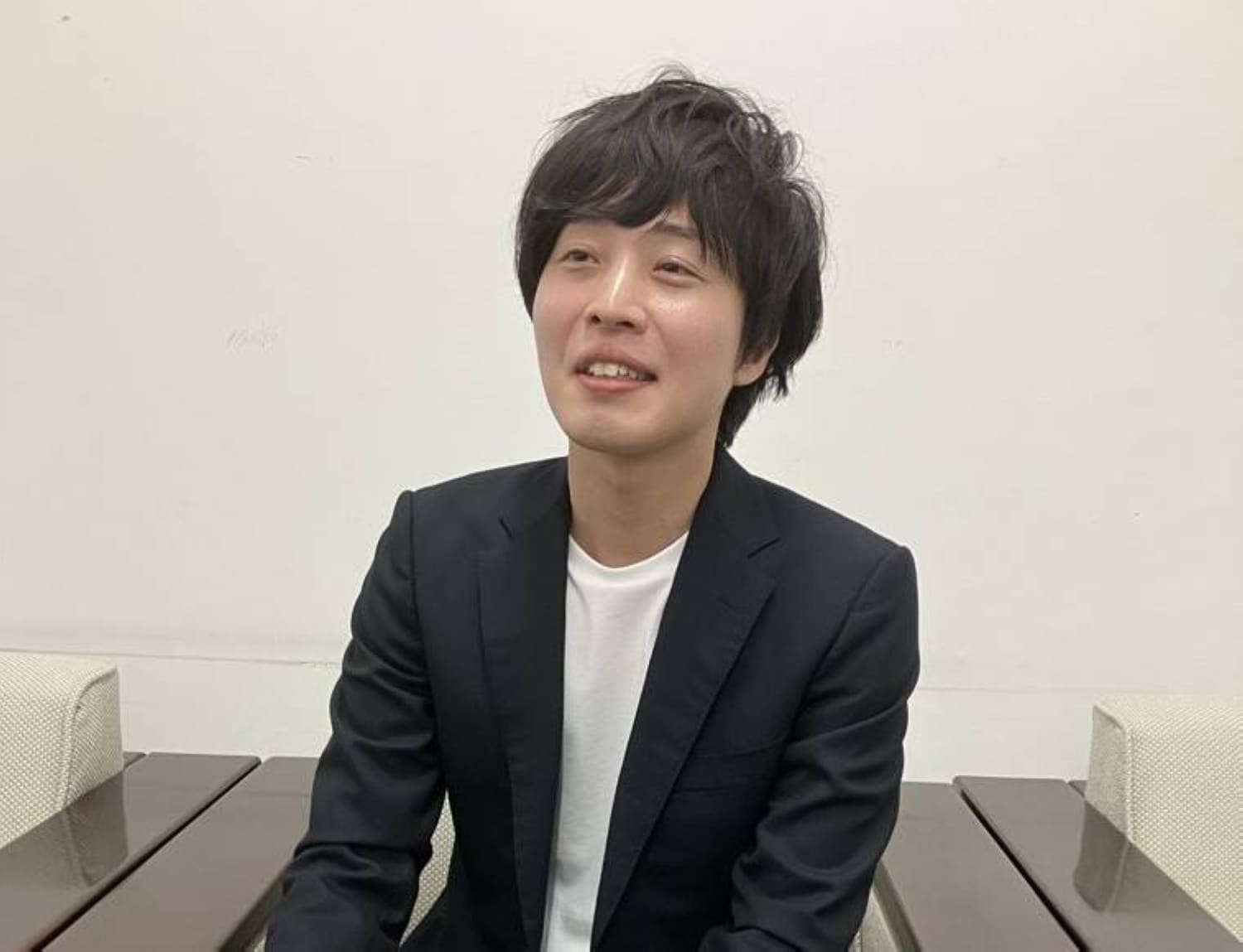
- ·Kenshiro Mori, president of online learning platform Schoo, has founded a new company called Lolll in Fukuoka to support regional business growth.
- ·Fukuoka has positioned itself as Japan's leading regional startup hub, offering lower costs and government support compared to Tokyo.
- ·The venture tests whether proven entrepreneurs can build successful companies outside Japan's capital and attract investment to regional cities.
A Bet on Southern Japan
Kenshiro Mori is making a calculated wager on Fukuoka. The president of Schoo, an established online learning platform serving Japan's corporate training market, has launched a new entity called Lolll in the southern city. The move signals a deliberate shift of capital and attention toward regional entrepreneurship, away from the gravitational pull of Tokyo.
Fukuoka has quietly built a reputation as Japan's most startup-friendly regional hub. The city offers lower operating costs than Tokyo, a municipal government that actively courts tech companies, and proximity to the rest of Asia. Mori's decision to base Lolll there reflects a broader trend among Japanese entrepreneurs: regional cities can offer strategic advantages that the capital cannot.
Why Fukuoka Matters Now
Japan's regional economies have struggled with depopulation and capital flight to Tokyo for decades. Fukuoka stands out as one of the few exceptions. The city's population has grown steadily, and its municipal government has invested in startup support infrastructure, including co-working spaces, accelerator programs, and streamlined business registration processes.
Mori's background in online education gives him a particular lens on regional development. Schoo has built its business on democratizing access to professional skills training, reaching users across Japan regardless of geography. That same philosophy appears to underpin Lolll, though the specifics of the new company's business model remain to be detailed publicly.
The choice of name, Lolll, breaks from conventional Japanese corporate branding. It suggests a company designed for digital-first operations, where naming conventions prioritize memorability and domain availability over traditional signaling of corporate gravitas.
The Regional Growth Puzzle
For decades, Japanese policymakers have struggled to reverse the economic centralization in Tokyo. Despite various incentive programs and subsidy schemes, most venture capital, corporate headquarters, and high-growth startups remain concentrated in the capital. Fukuoka has emerged as a partial counterexample, but the city still captures only a small fraction of Japan's total startup activity.
Mori's move is significant precisely because it comes from an operator with an existing successful business. Many regional initiatives are driven by policy mandates or first-time entrepreneurs. A founder with a proven track record choosing to build in Fukuoka sends a different signal to investors and talent.
The broader question is whether Lolll can demonstrate a viable model for regional growth that other companies might replicate. If the venture succeeds, it could validate Fukuoka's positioning and encourage more capital to flow south. If it struggles, it may reinforce the prevailing view that Tokyo remains the only viable base for scaling a Japanese startup.
What Comes Next
The details of Lolll's operations will determine whether this is a symbolic gesture or a substantive bet on regional entrepreneurship. The company's sector focus, team composition, and funding structure will all matter. So will Mori's ability to leverage his existing network from Schoo while building something distinct.
For Fukuoka, the stakes are high. The city has invested heavily in its startup ecosystem, and high-profile failures could dampen momentum. Success stories, on the other hand, tend to compound. One successful exit or breakout company can attract the next wave of founders, investors, and employees.
Mori's track record with Schoo suggests he understands the mechanics of building sustainable, revenue-generating businesses in Japan's conservative corporate market. Whether that expertise translates to a new venture in a different city remains to be seen. But the decision to try signals confidence that regional Japan offers opportunities worth pursuing, not just problems to be solved.
RELATED STORIES
China Imposes Anti-Dumping Measures on Japanese Semiconductor Chemical Imports
Jun-ho Seo · 3 min

Mitsubishi Motors Brings Back Pajero SUV With Thailand Launch
Cheng Wei-Lun · 3 min

Berkshire Hathaway Eyes Larger Stakes in Japan's Top Trading Houses
Cheng Wei-Lun · 3 min

Malaysia's Rare Earth Deposits Draw Foreign Interest Ahead of China Export Controls
Priyanka V. Rao · 3 min
Spot something wrong? Email editor@briefasia.com. We log every correction publicly.