Technology · Dev
Samsung's Mobile Unit Faces 211% Memory Price Surge
The company's smartphone division is absorbing steep cost increases from the global memory shortage, even as its chip business posts record profits from the same market dynamics
KEY TAKEAWAYS
- ·Samsung's Device eXperience division paid approximately 211 percent more for externally sourced mobile memory in the first half of 2026 compared to the 2025 annual average, totaling 5.04 trillion won.
- ·The memory shortage creates diverging outcomes within Samsung itself, with the smartphone unit absorbing higher costs while the semiconductor division posts record margins from the same tight supply conditions.
- ·Industry forecasts suggest elevated memory pricing will persist through Q3 2026, with relief potentially arriving as new manufacturing capacity comes online in late 2026 and early 2027.
The Cost Squeeze
Samsung Electronics' smartphone business is paying sharply higher prices for a critical component, revealing the asymmetric impact of tight memory markets across the technology sector. The company's Device eXperience division saw external mobile memory costs climb roughly 211 percent in the first half of 2026 compared to the full-year 2025 average, according to a regulatory filing released Friday.
The disclosure puts a concrete figure on the pressure facing device manufacturers during the current memory shortage. External purchases of mobile memory reached 5.04 trillion won for the period, reflecting both higher volumes and substantially elevated unit prices. The spike underscores how supply constraints in DRAM and NAND flash markets translate into margin compression for companies assembling finished products.
Diverging Fortunes Within Samsung
The filing illuminates an unusual dynamic within Samsung's own operations. While the Device eXperience unit absorbs cost increases for memory it must source externally, Samsung's semiconductor division benefits from the same tight supply conditions that are driving prices higher across the industry. The chip business has reported record operating margins in recent quarters as memory prices recover from the cyclical trough seen in 2023 and early 2024.
Samsung remains the world's largest memory chip producer, manufacturing both DRAM used in mobile devices and NAND flash for storage. Yet the company's smartphone division still relies on external suppliers for portions of its memory needs, particularly specialized mobile DRAM variants and certain storage configurations. This internal transfer pricing and external procurement mix means Samsung experiences both sides of the memory market simultaneously.
Industry data shows contract prices for mobile DRAM rose approximately 30 to 40 percent quarter-on-quarter through the first half of 2026, with spot market pricing climbing even more steeply during periods of acute shortage. NAND flash prices have followed a similar trajectory, though with somewhat less volatility.
Supply Constraints and Asia's Memory Ecosystem
The memory shortage stems from a confluence of factors that have tightened supply across Asia's semiconductor manufacturing hubs. Production capacity additions have lagged demand growth, particularly for advanced process nodes used in flagship smartphone memory. Yield challenges at several major fabrication facilities in South Korea and Taiwan have further constrained output.
Geopolitical factors have also played a role. Export controls on advanced chipmaking equipment have slowed capacity expansion plans at some Chinese memory manufacturers, reducing the pace at which new supply enters the market. This has concentrated more pricing power among the incumbent producers in South Korea and the United States.
For smartphone makers, memory represents one of the most significant cost components after the application processor. A typical flagship device contains 12 to 16 gigabytes of DRAM and 256 to 512 gigabytes of NAND storage. Mid-range models use somewhat less, but memory still accounts for roughly 15 to 20 percent of total bill-of-materials costs at current pricing levels.
Margin Pressure and Pricing Strategy
The cost increases arrive as smartphone demand in key Asian markets shows mixed signals. Premium segment sales in South Korea, Japan, and Singapore have held steady, supported by replacement cycles and 5G adoption. Volume shipments in price-sensitive markets including India, Indonesia, and Vietnam face headwinds from economic uncertainty and consumer spending caution.
Samsung has historically absorbed component cost fluctuations rather than passing them directly to consumers mid-cycle, preserving pricing consistency for products already in market. The company typically adjusts retail pricing and product configurations during major launch windows rather than making incremental changes. This approach protects brand positioning but compresses margins when input costs rise faster than anticipated.
The memory price environment is expected to remain elevated through at least the third quarter of 2026, according to industry forecasts. Several large memory manufacturers have indicated that new capacity coming online in late 2026 and early 2027 should begin to ease supply tightness, though the timing and magnitude of any price correction remains uncertain.
Implications for the Device Market
The cost dynamics revealed in Samsung's filing extend across the broader smartphone and consumer electronics industry. Apple, Xiaomi, Oppo, and other major device makers face similar memory procurement challenges, though vertically integrated manufacturers with captive memory production enjoy some insulation from spot market volatility.
Smaller brands operating on thinner margins have less flexibility to absorb cost increases, potentially accelerating consolidation in segments of the Android ecosystem. Several second-tier manufacturers in China and Southeast Asia have already scaled back production plans or shifted product mixes toward lower-specification models that use less expensive memory configurations.
The situation illustrates the strategic importance of supply chain positioning in Asia's technology sector. Companies with long-term supply agreements secured before the price surge have gained a temporary competitive advantage, while those relying more heavily on spot market purchases face steeper headwinds. Samsung's disclosure offers a rare quantitative glimpse into cost pressures that typically remain opaque in corporate reporting.
RELATED STORIES
Samsung Fold8's Wider Aspect Ratio Pulls New Buyers into Foldable Market
Jun-ho Seo · 3 min
Samsung Breaks Ground on $4.3 Billion HBM Packaging Plant in South Korea
Cheng Wei-Lun · 4 min
Samsung Display Unveils Technology to Fix Brightness Drop in Foldable Screens
Cheng Wei-Lun · 2 min
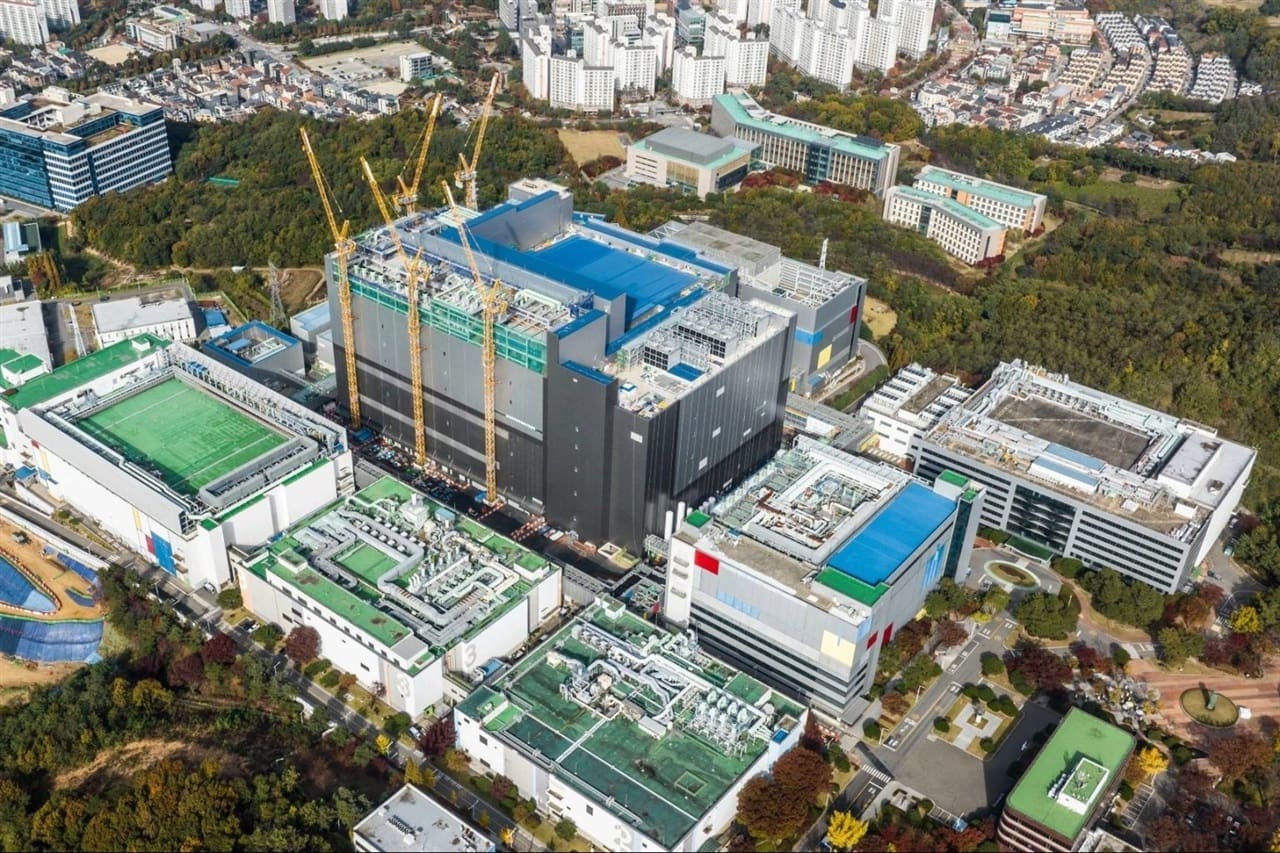
Samsung Eyes R&D Facility Conversion to Boost Foundry Output
Cheng Wei-Lun · 2 min
Spot something wrong? Email editor@briefasia.com. We log every correction publicly.