Technology · Products
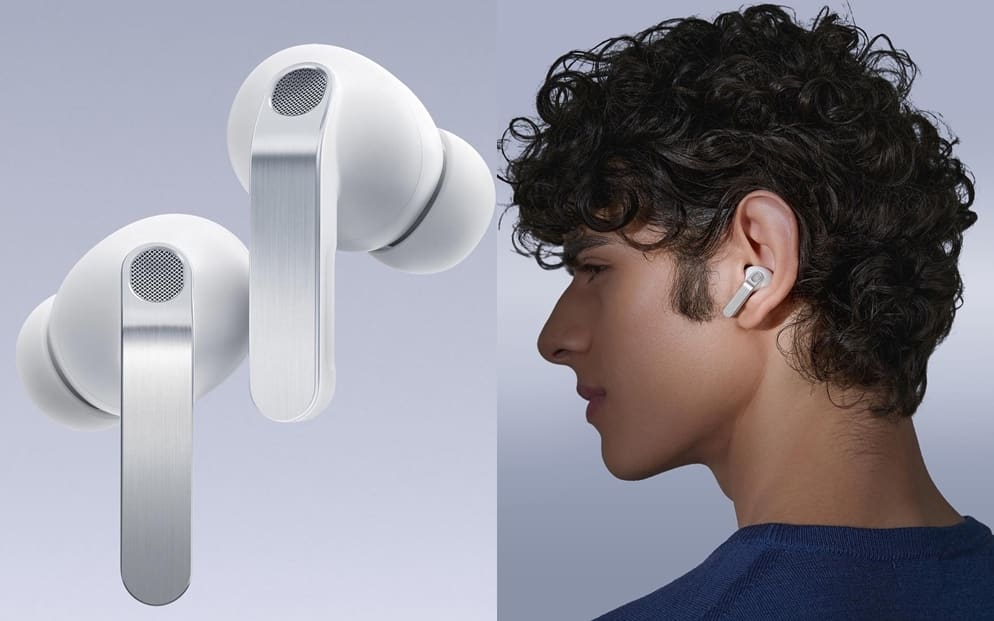
Samsung Galaxy Buds Clear FDA Review as Over-the-Counter Hearing Aids
The clearance allows two premium earbud models to function as hearing aids without prescription, marking Samsung's entry into accessible hearing health technology
KEY TAKEAWAYS
- ·Samsung received FDA clearance for Galaxy Buds3 Pro and Buds4 Pro to function as over-the-counter hearing aids, launching in the US and select markets in Q4 without requiring prescriptions.
- ·The clearance follows an FDA pathway established in 2022 for devices addressing mild to moderate hearing loss, positioning Samsung against Apple's similar AirPods Pro 2 feature approved in 2024.
- ·Samsung has not announced rollout plans for South Korea, and pricing advantages over traditional hearing aids could drive adoption among cost-sensitive users facing early hearing decline.
A Consumer Device Crosses into Medical Territory
Samsung Electronics announced that the US Food and Drug Administration has cleared its Galaxy Buds for use as over-the-counter hearing aids, a regulatory milestone that transforms consumer earbuds into accessible medical devices. The clearance applies specifically to the Galaxy Buds3 Pro and Galaxy Buds4 Pro models, which will offer the hearing aid functionality in the United States and select international markets beginning in the fourth quarter of this year.
The FDA approval means users can activate hearing aid features without obtaining a prescription or visiting an audiology clinic. Samsung disclosed the clearance Tuesday but has not announced deployment plans for South Korea, its home market.
The Asia Hardware Play
The move positions Samsung alongside Apple, which received similar FDA clearance for AirPods Pro 2 hearing aid features in late 2024. Both companies are leveraging existing consumer hardware to address mild to moderate hearing loss, a condition affecting approximately 30 million adults in the United States alone according to FDA estimates. By embedding clinical-grade audio processing into devices consumers already own or intend to purchase, Samsung and Apple are bypassing traditional audiology distribution channels that typically involve specialist appointments and devices costing several thousand dollars.
For Samsung, the clearance represents a strategic expansion of its Galaxy ecosystem beyond entertainment and productivity. The company has been investing heavily in health sensors across its wearables line, including ECG and blood oxygen monitoring in Galaxy Watch models and sleep tracking algorithms. Hearing aid functionality adds another clinical capability to devices that consumers carry daily, a pattern consistent with broader industry trends toward multipurpose health hardware.
Regulatory Pathway and Market Timing
The FDA established an over-the-counter hearing aid category in October 2022, creating a new regulatory pathway for devices intended to amplify sound for adults with perceived mild to moderate hearing loss. The rule change was designed to increase competition, lower prices, and improve access to hearing technology without requiring professional fitting or audiologist involvement for less severe cases.
Samsung's clearance follows this framework, allowing the company to market hearing aid features directly to consumers through retail channels rather than medical distribution networks. The timing of the fourth-quarter rollout suggests Samsung may align the feature launch with holiday shopping cycles in the United States, when premium earbud sales typically peak.
Industry observers note that integrating hearing aid functionality into mainstream earbuds could accelerate adoption among younger users who experience early hearing decline but resist traditional hearing aids due to stigma or cost. Conventional hearing aids in the United States range from USD 1,000 to USD 6,000 per pair, while Galaxy Buds3 Pro retail for approximately USD 250.
Technical and Competitive Context
While Samsung has not detailed the technical specifications of its hearing aid feature, over-the-counter devices in this category typically include sound amplification tuned to specific frequency ranges where users experience hearing loss, background noise reduction, and customizable audio profiles. Users generally perform self-administered hearing tests through smartphone apps, which then configure the earbuds accordingly.
Apple's AirPods Pro 2 implementation, cleared by the FDA in September 2024, uses a built-in hearing test and personalized amplification profile. Samsung's approach will likely follow similar design principles, leveraging the advanced audio processing chips already present in its premium earbud models.
The absence of announced plans for South Korea is notable given Samsung's domestic market dominance. Regulatory frameworks for over-the-counter hearing aids vary by country, and Samsung may be navigating different approval processes in Asian markets. Japan and Singapore have explored similar regulatory pathways, but implementation timelines differ.
What This Opens Up
The FDA clearance expands the addressable market for Samsung's premium earbuds by adding a medical use case to entertainment and communication functions. It also signals that major consumer electronics manufacturers view hearing health as a viable product category within their existing hardware lines, rather than a separate vertical requiring dedicated devices.
For Samsung, the feature could drive upgrades among existing Galaxy users and attract new customers seeking dual-purpose devices. The company's challenge will be educating consumers on the hearing aid functionality and ensuring the feature meets clinical performance expectations without professional fitting or follow-up care.
RELATED STORIES

Samsung Closes Gap on SK Hynix With Sharp HBM4 Yield Gains
Cheng Wei-Lun · 2 min
Samsung Accelerates US Campus Recruiting to Secure Chip Talent
Cheng Wei-Lun · 3 min

Samsung Pushes Taylor Fab Qualification as 2nm Demand Reshapes US Capacity Strategy
Cheng Wei-Lun · 3 min

Samsung Doubles BOE Panel Orders as Chinese Suppliers Tighten Grip on TV Display Market
Cheng Wei-Lun · 3 min
Spot something wrong? Email editor@briefasia.com. We log every correction publicly.