Finance · Markets
Ringgit Climbs as Weak US GDP Data Drags Dollar Below 100 Index Mark
Malaysian currency strengthened to 4.08 per dollar as softer US growth figures and cooling inflation signal Federal Reserve may hold rates steady
KEY TAKEAWAYS
- ·Malaysia's ringgit strengthened to 4.0800 per US dollar as the Dollar Index fell 1.01 per cent to 99.864 following weaker US economic data.
- ·US GDP expanded just 1.5 per cent in Q2 2026, below the 2.1 per cent forecast, while the Fed's preferred inflation gauge cooled to 3.7 per cent in June.
- ·Analysts expect the ringgit to trade between 4.07 and 4.08 as prospects of Fed rate stability reduce dollar momentum ahead of the September meeting.
Dollar Loses Ground on Growth Concerns
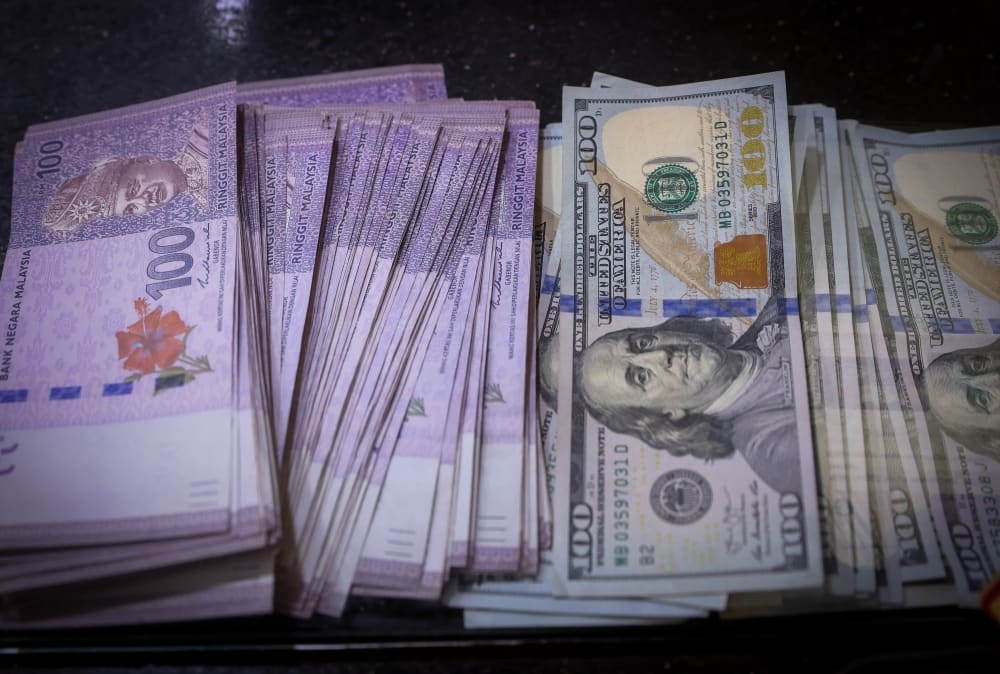
Malaysia's ringgit opened trading Friday at 4.0800 per US dollar, appreciating from Thursday's close of 4.0875, as weaker-than-expected US economic indicators pushed the greenback down across Asian markets.
The US Dollar Index dropped 1.01 per cent to 99.864, slipping below the psychologically significant 100-point threshold for the first time in recent sessions. The decline followed the release of second-quarter GDP figures showing the US economy expanded just 1.5 per cent, missing consensus estimates of 2.1 per cent growth, according to data from Bank Muamalat Malaysia.
The softer growth reading comes as the Federal Reserve navigates a delicate balance between containing inflation and avoiding a sharp economic slowdown. Dr Mohd Afzanizam Abdul Rashid, chief economist at Bank Muamalat Malaysia, noted that the combination of decelerating growth and moderating price pressures reduces the urgency for further monetary tightening.
Inflation Signals Turn Favorable
The Personal Consumption Expenditures Price Index, the Fed's preferred inflation gauge, eased to 3.7 per cent in June from 4.1 per cent the previous month. The deceleration marks a notable shift after months of stubborn inflation that kept policymakers on alert.
Retail fuel prices offer additional evidence of cooling price pressures. Average US petrol prices fell to 4.39 dollars per gallon in July from 4.54 dollars in June, suggesting household cost pressures may continue to ease in coming months.
The data collectively supports the Federal Reserve's recent decision to hold its benchmark interest rate steady. With growth slowing and inflation declining, policymakers appear comfortable maintaining the current monetary stance rather than pushing rates higher.
Rate Path Implications for Asian Currencies
The prospect of a prolonged Fed pause, or even potential rate cuts later in the year, has shifted sentiment across currency markets. A weaker dollar typically benefits emerging Asian currencies by reducing pressure on central banks to match US rate increases and improving the attractiveness of local assets to foreign investors.
Dr Mohd Afzanizam expects the ringgit to trade in a range between 4.07 and 4.08 per dollar in the near term, supported by the dollar's loss of momentum. The September Federal Reserve meeting will be closely watched for signals about the rate trajectory through year-end.
Mixed Performance Against Regional Peers
While the ringgit gained ground against the dollar, its performance against other currencies was uneven. The Malaysian currency strengthened to 225.2 per 1,000 Indonesian rupiah from 225.7 previously, and appreciated to 6.62 per Philippine peso from 6.64.
However, it weakened against the Singapore dollar, slipping to 3.1820 from 3.1701, and lost ground versus the Thai baht, moving to 12.2225 from 12.1637. The ringgit also declined against major developed-market currencies, falling to 2.5465 per 100 Japanese yen, 4.7014 per euro, and 5.4917 per British pound.
The divergent moves reflect varying monetary policy trajectories and growth outlooks across the region. Singapore's persistent strength and Japan's shifting policy stance continue to influence cross-rates independently of dollar dynamics.
Outlook Hinges on Fed Signals
Currency traders across Asia will be parsing upcoming US economic releases for clues about the Federal Reserve's next moves. Employment data, consumer spending figures, and further inflation readings will shape expectations heading into the September policy meeting.
For now, the ringgit's gains reflect a broader recalibration in currency markets as investors adjust to a less aggressive Fed outlook. If US growth continues to disappoint while inflation moderates, the dollar's recent weakness may extend, providing further support for emerging Asian currencies through the third quarter.
RELATED STORIES
Malaysian Ringgit Strengthens on Strong US Jobs Data
Tran Quoc Bao · 3 min
Ringgit Strengthens as Malaysia's Stable Rates Signal Policy Flexibility
Mariel D. Santos · 3 min

Blackstone's AirTrunk Lines Up S$2 Billion Loan for Singapore REIT IPO
Anand Sundaram · 3 min

Blackstone's AirTrunk Pursues $1.6 Billion Loan Ahead of Singapore REIT Listing
Jun-ho Seo · 3 min
Spot something wrong? Email editor@briefasia.com. We log every correction publicly.