Finance · Deals
Blackstone's AirTrunk Lines Up S$2 Billion Loan for Singapore REIT IPO
The data centre operator's planned offering tests Asia's appetite for infrastructure debt as banks grow more selective on sector exposure
KEY TAKEAWAYS
- ·AirTrunk is negotiating a S$2 billion loan in Singapore dollars and yen with maturities of three to seven years to finance a REIT backed by its data centre assets.
- ·The offering tests bank appetite for infrastructure debt as regional data centre loans have surged to nearly US$29 billion since early 2025, pushing lenders toward sector exposure limits.
- ·AirTrunk's Blackstone backing continues to attract credit despite tighter conditions, while smaller operators face rejection as banks prioritise established sponsors with proven cash flows.
Multi-Currency Debt Package
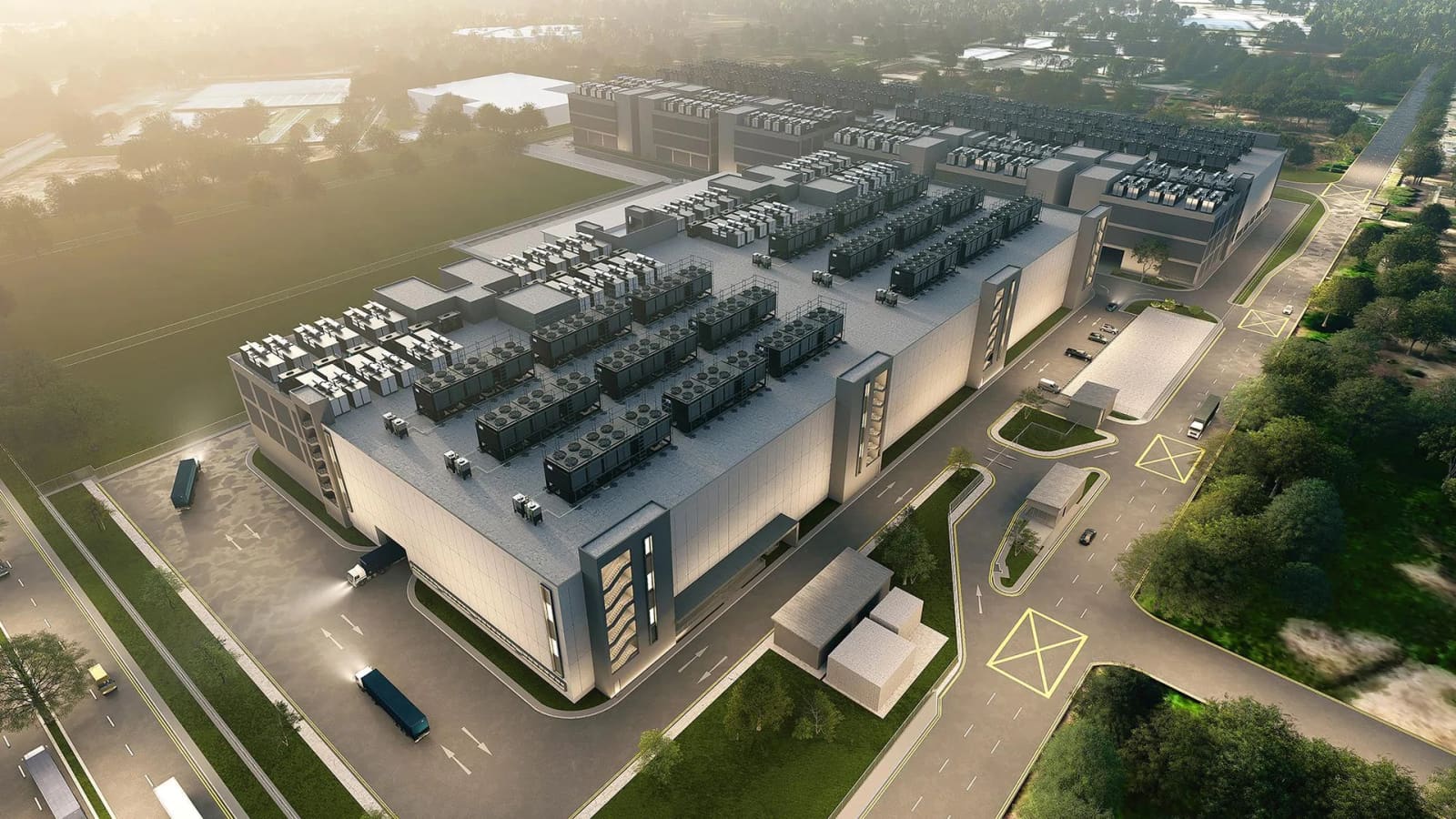
AirTrunk, the data centre operator controlled by Blackstone, is negotiating a roughly S$2 billion loan facility with banks to support the public listing of a real estate investment trust backed by its infrastructure assets, according to people with knowledge of the discussions.
The company has approached lenders seeking multiple tranches of debt with maturities ranging from three to seven years, denominated in Singapore dollars and Japanese yen, the people said. The financing, which will be raised by the REIT entity itself, is expected to fund asset acquisitions from AirTrunk and refinance existing obligations. Terms remain under discussion and may shift as negotiations progress.
AirTrunk and Blackstone both declined to comment on the financing plans.
Sector Funding Under Pressure
The proposed REIT initial public offering in Singapore arrives at a critical juncture for data centre financing across Asia. Regional banks are bumping against internal sector exposure limits and applying stricter criteria to infrastructure lending decisions.
Data centre loan volumes in Asia have climbed to nearly US$29 billion since the beginning of 2025, according to compiled figures. The rapid accumulation of commitments has forced lenders to explore alternative structures, including asset-backed securities, to free up balance sheet capacity for additional deals. AirTrunk is examining those options as well.
By packaging assets into a publicly traded REIT, AirTrunk can tap a broader investor base and reduce reliance on bank debt alone. The structure also allows the parent company to recycle capital into new development projects while maintaining operational control.
Track Record of Aggressive Expansion
AirTrunk has established itself as one of the region's most active borrowers in the data centre space. The firm recently secured a US$2.3 billion green loan to finance a hyperscale facility in Johor Bahru, Malaysia, underscoring its appetite for large-scale infrastructure investment.
Despite tightening credit conditions, AirTrunk's affiliation with Blackstone continues to attract bank participation. Lenders remain willing to extend credit to operators backed by established private equity sponsors, even as they turn away smaller or less prominent developers, people familiar with bank lending strategies said.
The contrast reflects a flight to quality among infrastructure financiers. Banks are prioritising borrowers with proven cash flows, experienced management teams, and access to long-term equity capital. AirTrunk ticks those boxes, benefiting from Blackstone's US$1 trillion asset base and deep relationships across global financial markets.
IPO Timeline and Structure
AirTrunk is close to filing confidentially for the REIT initial public offering, people familiar with the plans said in June. Earlier estimates suggested the offering could raise approximately US$1.5 billion, though final size will depend on asset valuations and market conditions at launch.
The REIT structure is well established in Singapore, where listed trusts own portfolios of commercial real estate, logistics warehouses, and increasingly, data centres. Singapore-based REIT operators have recently pursued acquisition opportunities in Japan, seeking to diversify beyond their home market as land and power constraints tighten in the city-state.
AirTrunk's decision to list in Singapore rather than Sydney or Hong Kong reflects the depth of the local REIT market and investor familiarity with infrastructure assets. Singapore's regulatory framework for REITs is transparent, and the market has demonstrated appetite for technology-related property plays.
Regional Infrastructure Appetite
The financing package will serve as a benchmark for future data centre debt deals in Asia. If banks commit the full S$2 billion across multiple tranches and currencies, it signals continued willingness to support large-scale digital infrastructure despite sector concentration concerns.
Conversely, if the loan is scaled back or priced at wider spreads, it may indicate that even blue-chip sponsors face headwinds in securing favourable terms. The outcome will be closely watched by other data centre operators weighing IPO or refinancing plans.
Asia's data centre boom is driven by cloud computing expansion, artificial intelligence workloads, and growing enterprise demand for colocation services. Hyperscale operators like AirTrunk build facilities designed to house tens of thousands of servers, requiring substantial upfront capital and long lead times before revenue begins flowing.
The REIT model offers a path to monetise completed assets while construction continues on the next wave of campuses. For investors, data centre REITs provide exposure to digital infrastructure growth without the execution risk of ground-up development.
AirTrunk's loan request and planned IPO underscore the scale of capital required to keep pace with Asia's connectivity needs. Whether banks and public markets can continue absorbing that demand will shape the region's digital infrastructure landscape for years to come.
RELATED STORIES

Blackstone's AirTrunk Pursues $1.6 Billion Loan Ahead of Singapore REIT Listing
Jun-ho Seo · 3 min
CIMB Commits to 55% Dividend Floor as Regional Portfolio Offsets Indonesia Pressure
Priyanka V. Rao · 4 min

Singapore Targets High-Value Data Centre Workloads as Neighbors Scale Up Capacity
Cheng Wei-Lun · 3 min

Southeast Asian Firms Overlook Digital Pact Worth USD 2 Trillion
Lim Hui Ying · 4 min
Spot something wrong? Email editor@briefasia.com. We log every correction publicly.