Finance · Deals
Ping An Eyes Hong Kong ETF Market as Beijing Opens Cross-Border Insurance Capital
China's largest insurer by market cap signals intent to deploy funds into Hong Kong-listed exchange-traded products under new regulatory framework
KEY TAKEAWAYS
- ·Ping An Insurance intends to invest in Hong Kong-listed ETFs following Beijing's approval of cross-border allocations for mainland insurers.
- ·The policy enables Chinese insurance firms collectively managing trillions of yuan to diversify into Hong Kong equity products under regulatory limits.
- ·The move could channel tens of billions of dollars into Hong Kong's ETF market and reinforce the SAR's role as Greater China's offshore financial hub.
Mainland Insurance Capital Flows South
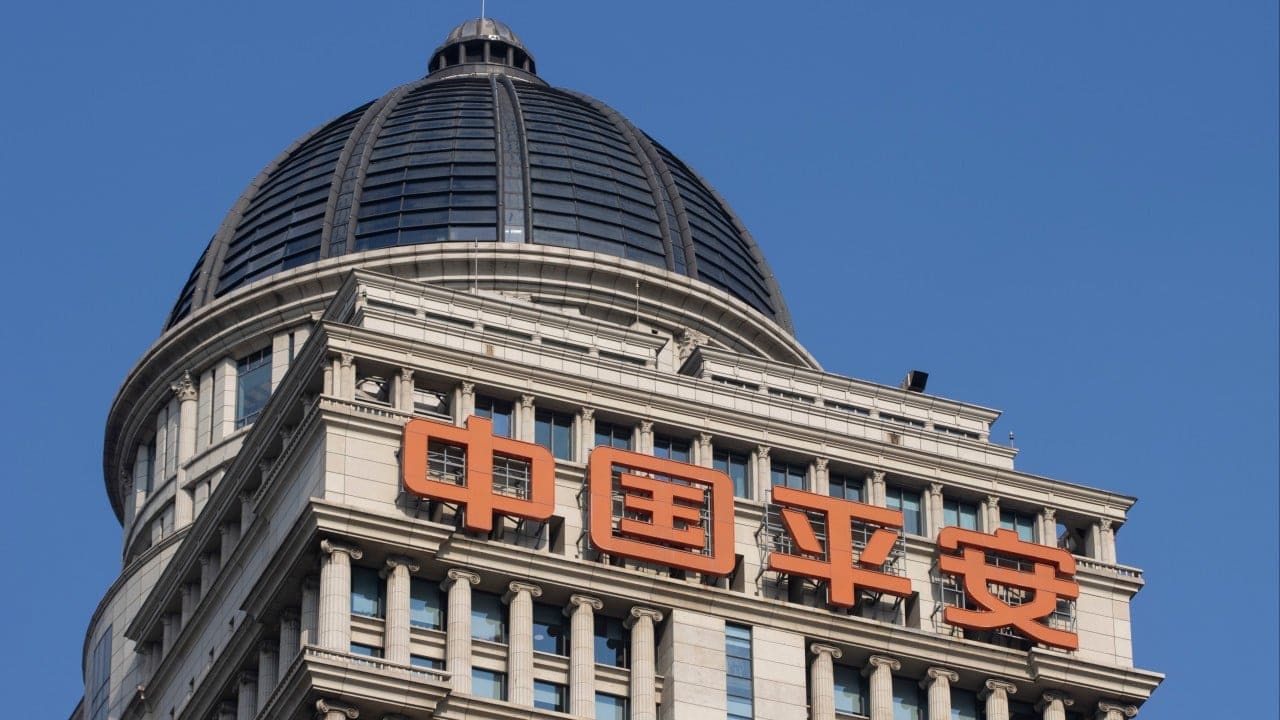
Ping An Insurance (Group) is preparing to allocate capital into Hong Kong-listed exchange-traded funds, the company disclosed this week. The move follows regulatory clearance from Beijing allowing mainland insurers to deploy assets across the border, opening a channel that could redirect billions in institutional capital toward Hong Kong's equity market.
Richard Sheng, secretary of Ping An's board, told reporters that the policy shift strengthens the financial linkage between Hong Kong and mainland markets. Ping An holds the position of China's largest insurer measured by market capitalization, and any allocation decision by the firm carries weight across the sector.
The approval represents the latest step in a years-long effort to deepen capital market connectivity within Greater China. Previous initiatives, including the Shanghai-Hong Kong Stock Connect launched in 2014 and the Shenzhen-Hong Kong link two years later, established equity trading corridors. The new ETF provision extends that framework to pooled investment vehicles managed by mainland insurance firms.
What the Regulatory Shift Enables
Under the updated rules, mainland insurance companies can now purchase Hong Kong-listed ETFs that meet specific criteria. The policy does not lift all restrictions; eligible funds must track indices approved by regulators, and aggregate exposure limits remain in place for each insurer's overseas portfolio.
For Ping An, the change offers a route to diversify holdings beyond domestic equities and bonds. Chinese insurers collectively manage trillions of yuan in assets, much of it concentrated in onshore instruments. Access to Hong Kong ETFs introduces exposure to sectors and geographies not easily replicated on mainland exchanges, including international blue-chips dual-listed in the SAR and Asia-Pacific indices.
The timing coincides with Beijing's broader push to channel domestic savings into productive investments while maintaining oversight. By limiting cross-border flows to regulated funds rather than direct stock purchases, authorities preserve a degree of control over capital movements.
Implications for Hong Kong's ETF Industry
Hong Kong's ETF sector has grown steadily but remains modest compared to onshore China or regional hubs like Tokyo. Total assets under management in Hong Kong-listed ETFs stood below USD 80 billion as of mid-2026, a fraction of the mainland's market. The entry of large institutional buyers such as Ping An could inject fresh demand, particularly for products tracking Hang Seng benchmarks or Asia ex-Japan indices.
Fund managers have already begun tailoring products to meet mainland investor preferences. Several issuers launched ETFs in the past year designed to comply with insurance capital requirements, emphasizing liquid, large-cap holdings and transparent index methodologies.
The policy also benefits Hong Kong's positioning as a financial gateway. The city has faced competition from Singapore and Tokyo for regional capital flows, and deeper integration with mainland institutions reinforces its role as the primary offshore hub for renminbi assets.
Ping An's Portfolio Strategy
Ping An has historically maintained a conservative investment posture, prioritizing fixed income and blue-chip equities to match long-term liabilities from life insurance policies. The company's investment portfolio exceeded CNY 4 trillion as of the latest disclosure, with roughly 40 percent allocated to bonds and the remainder split between equities, alternative assets, and cash.
Adding Hong Kong ETFs would allow the insurer to gain equity exposure without the operational burden of managing individual stock positions across a foreign exchange. ETFs also offer daily liquidity, an important consideration for insurers that must manage cash flow to cover policyholder claims.
Sheng did not specify a timeline or target allocation for Hong Kong ETF investments, and the company has not disclosed which funds it is evaluating. Industry observers expect Ping An to begin with modest test allocations before scaling up, a pattern consistent with how mainland institutions have approached previous cross-border programs.
Sector-Wide Momentum
Ping An is not alone in exploring the opportunity. Other major mainland insurers, including China Life and PICC, have indicated interest in cross-border ETF investments. The collective firepower of China's insurance sector, combined with the new regulatory green light, could translate into tens of billions of dollars moving into Hong Kong-listed funds over the next several years.
The shift arrives as Hong Kong's equity market seeks a catalyst. The Hang Seng Index has traded sideways for much of 2026, weighed down by concerns over China's economic growth and geopolitical uncertainties. Sustained inflows from mainland institutions would provide a structural bid, particularly for large-cap names that dominate Hong Kong ETF indices.
For Beijing, the policy serves multiple objectives: it offers insurers a controlled outlet for diversification, supports Hong Kong's financial sector, and reinforces the SAR's integration into national economic planning. The approach reflects a careful balancing act, expanding cross-border capital flows while keeping guardrails in place to prevent destabilizing outflows.
RELATED STORIES

Alibaba Raises $13 Billion in Hong Kong to Accelerate AI Infrastructure Push
Cheng Wei-Lun · 3 min
Alibaba Raises HK$80 Billion to Accelerate AI Infrastructure Build-Out
Cheng Wei-Lun · 3 min

Alibaba Targets $10 Billion Equity Raise to Expand AI Infrastructure
Cheng Wei-Lun · 3 min

Hang Seng Index Expands to 95 Stocks with Chipmaker Addition
Cheng Wei-Lun · 3 min
Spot something wrong? Email editor@briefasia.com. We log every correction publicly.