Finance · Markets
Hang Seng Index Expands to 95 Stocks with Chipmaker Addition
Hua Hong Grace Semiconductor and Weichai Power join Hong Kong's benchmark as index deepens tech exposure
KEY TAKEAWAYS
- ·Hong Kong's Hang Seng Index will expand to 95 constituents on September 7, adding chipmaker Hua Hong Grace Semiconductor and truck maker Weichai Power.
- ·The inclusion deepens the index's technology weighting as China builds domestic semiconductor capacity amid U.S. export restrictions.
- ·Passive funds tracking the index will purchase shares before the effective date, typically creating buying pressure for newly added stocks.
Two New Entrants Approved
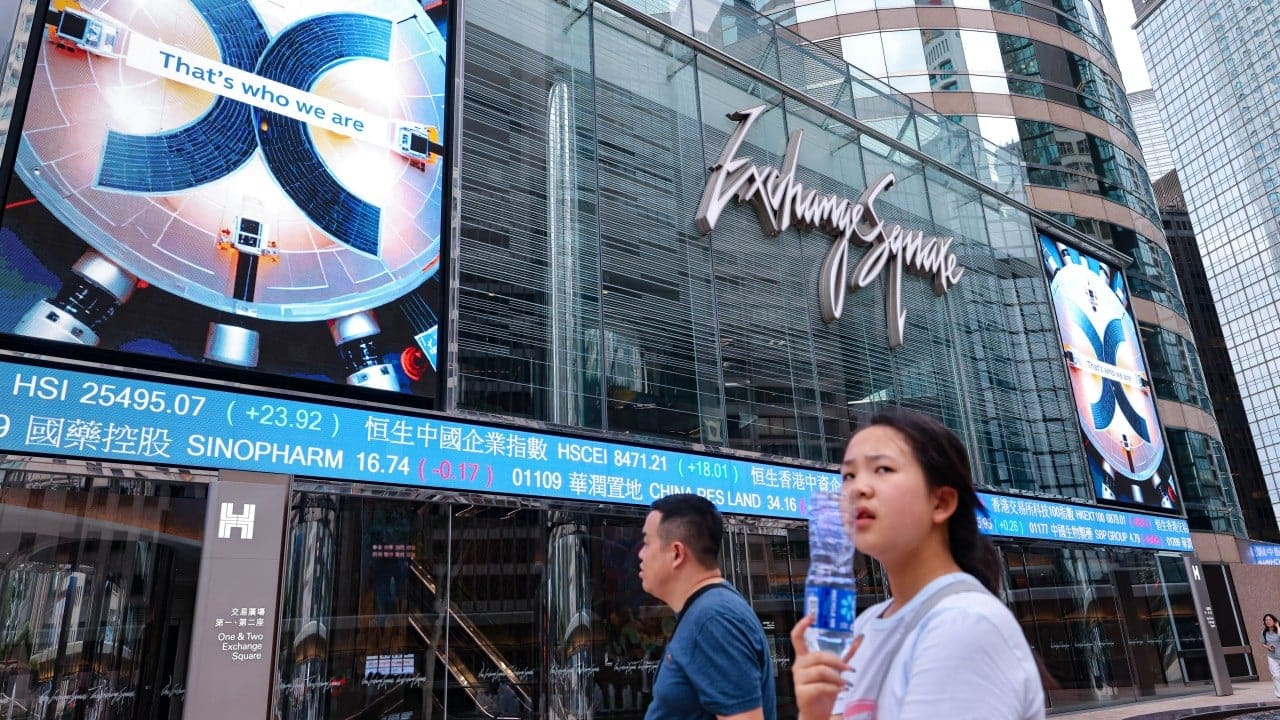
Hong Kong's Hang Seng Index will expand from 93 to 95 constituents next month, according to Hang Seng Indexes Company. The additions include Hua Hong Grace Semiconductor, a major Chinese contract chipmaker, and Weichai Power, a truck and engine manufacturer. The changes take effect September 7.
The inclusion of Hua Hong Grace marks the latest step in the benchmark's ongoing pivot toward technology stocks. Contract chipmaking remains a strategic sector for China as the country works to build domestic semiconductor capacity amid export restrictions from the United States and its allies.
The Semiconductor Play
Hua Hong Grace operates as one of China's leading foundries, producing chips for third-party clients rather than designing its own semiconductors. The company focuses on mature-node processes used in automotive, industrial, and consumer electronics rather than cutting-edge chips for smartphones or AI servers.
This positioning has become increasingly relevant as Chinese firms seek alternatives to Taiwan Semiconductor Manufacturing Company and other offshore foundries that face pressure to limit advanced chip sales to mainland customers. Hua Hong Grace's Hong Kong listing provides international investors access to China's foundry sector without navigating mainland exchanges.
The addition follows a broader pattern. Over the past two years, the Hang Seng Index has gradually increased its weighting toward technology and reduced exposure to property developers and traditional financials. This shift reflects both the changing composition of Hong Kong's listed universe and index managers' efforts to keep the benchmark relevant to global capital allocators focused on Asia's growth sectors.
Industrial Heavyweight Joins
Weichai Power's inclusion brings a different profile. The Shandong-based manufacturer produces heavy-duty diesel engines, transmissions, and commercial vehicles. The company supplies China's domestic truck market and exports components to Europe and other regions.
While less aligned with the index's tech tilt, Weichai represents China's industrial base and benefits from infrastructure spending and logistics demand across Asia. The company has also invested in hydrogen fuel-cell technology and electric powertrains, positioning itself for the energy transition in commercial transport.
Index Mechanics and Market Impact
Expanding the constituent count gives the Hang Seng Index broader sectoral coverage without requiring existing members to be removed. The index currently includes 93 stocks, down from a peak of more than 100 in earlier configurations. Adding two names increases diversification and reduces concentration risk, though the largest constituents still dominate index movements.
Passive funds tracking the Hang Seng Index will need to purchase shares of both companies before the September 7 effective date. This typically creates buying pressure in the weeks leading up to inclusion, as index-tracking assets adjust their portfolios. Hong Kong-listed exchange-traded funds and mutual funds benchmarked to the Hang Seng collectively hold tens of billions of dollars in assets.
The timing coincides with a quarterly review cycle that index providers use to assess eligibility based on market capitalization, liquidity, and listing tenure. Hua Hong Grace and Weichai Power both meet the thresholds for size and trading volume, qualifying them for inclusion under the index methodology.
Regional Context
The Hang Seng Index serves as a barometer for investor sentiment toward Hong Kong-listed Chinese companies. Its composition influences capital flows, as inclusion or exclusion can shift billions of dollars into or out of individual stocks. For portfolio managers allocating to Greater China equities, the index provides a liquid, internationally accessible benchmark.
The semiconductor sector's growing presence in the index mirrors developments across Asia. Taiwan's TAIEX remains heavily weighted toward TSMC and other chip names, while South Korea's KOSPI is anchored by Samsung Electronics and SK Hynix. Adding Hua Hong Grace aligns the Hang Seng with this regional pattern, reflecting the centrality of semiconductors to Asian manufacturing and exports.
Weichai's addition, meanwhile, underscores the continued importance of traditional industrials in China's economy. Despite the policy focus on high-tech sectors, heavy machinery and commercial vehicles remain significant contributors to GDP and employment. The company's presence in the index ensures that this dimension of China's economy stays visible to international investors.
The September 7 effective date gives market participants two weeks to adjust positions and for liquidity to normalize around the new weights.
RELATED STORIES
Beijing's Tax Sweep Puts $1.2 Trillion in Offshore Wealth Under Pressure
Cheng Wei-Lun · 4 min

Fidelity International Eyes Exit From China Fund Business After Three Years
Cheng Wei-Lun · 3 min
China's Tax Enforcement Push Tests Offshore Trust Structures
Cheng Wei-Lun · 3 min
Geely Auto Appoints New Chairman as Founder Steps Back from Listed Unit
Cheng Wei-Lun · 2 min
Spot something wrong? Email editor@briefasia.com. We log every correction publicly.