Asia · Business
Geely Auto Appoints New Chairman as Founder Steps Back from Listed Unit
Eric Li hands chairmanship of Hong Kong-listed automaker to An Conghui while retaining control of parent Geely Holding Group
KEY TAKEAWAYS
- ·An Conghui becomes chairman of Hong Kong-listed Geely Auto while Gan Jiayue takes the CEO role, effective Tuesday.
- ·Founder Eric Li steps back from the listed subsidiary but retains chairmanship of parent Geely Holding Group after 40 years.
- ·The reshuffle creates clearer separation between strategic oversight and operations as Chinese automakers face intensifying competition.
Leadership Transition at Major Chinese Automaker
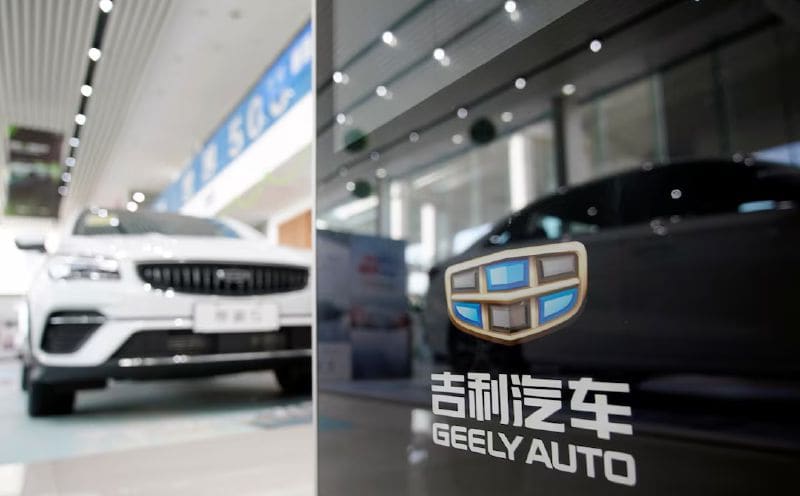
Geely Auto announced a significant management reshuffle Tuesday, with An Conghui assuming the chairman role at the Hong Kong-listed subsidiary. The move marks a strategic leadership transition at one of China's largest automotive groups, positioning a new generation of executives at the helm of the publicly traded entity.
An Conghui succeeds Eric Li, who established Geely four decades ago and has led the company through its transformation from a refrigerator manufacturer into a global automotive player. Li will continue as chairman of Geely Holding Group, the parent company that controls the listed arm, according to a regulatory filing.
New CEO Takes Operational Helm
Alongside the chairman transition, Gan Jiayue will assume the chief executive officer position at Geely Auto, taking over operational leadership from An. The dual appointment creates a clear separation between strategic oversight and day-to-day management at the publicly traded automaker.
The reshuffle reflects a broader pattern among Chinese automotive conglomerates, where founding entrepreneurs maintain control at the holding company level while delegating listed subsidiary management to professional executives. This structure allows founders to focus on long-term strategy and capital allocation across multiple ventures while operational leaders handle quarterly performance and market pressures.
Geely's Complex Corporate Architecture
Geely Holding Group operates a sprawling automotive empire that extends beyond the Hong Kong-listed Geely Auto. The parent company holds stakes in Volvo Cars, Polestar, Lotus, and Proton, along with significant positions in Daimler and Aston Martin. This multi-brand portfolio strategy has positioned Geely as a bridge between Chinese manufacturing capabilities and European automotive heritage.
The listed Geely Auto entity focuses primarily on the domestic Chinese market and select export markets, selling vehicles under the Geely, Geometry, and Lynk & Co brands. Separating leadership at the listed subsidiary level gives management dedicated focus on this core operation while Li orchestrates the broader group strategy from the holding company.
Implications for Investors and Strategy
For investors in the Hong Kong-listed shares, the leadership change signals continuity rather than disruption. An Conghui has deep experience within the Geely ecosystem, ensuring institutional knowledge remains intact during the transition. The appointment of Gan as CEO creates a two-tier leadership structure common among major Asian conglomerates, with strategic direction flowing from the chairman while operational execution rests with the CEO.
The timing of the reshuffle comes as Chinese automakers navigate intensifying competition in both domestic and international markets. Electric vehicle penetration continues accelerating in China, while traditional automakers face pressure to demonstrate credible electrification roadmaps. Geely Auto has invested heavily in hybrid and battery-electric platforms, but execution will determine whether these bets translate into market share gains.
Li's decision to step back from the listed subsidiary while maintaining the holding company chairmanship suggests he intends to focus on portfolio management and strategic investments rather than operational details. This approach mirrors patterns at other founder-led Asian conglomerates, where first-generation entrepreneurs transition into capital allocator roles as professional managers handle business units.
The management changes took effect Tuesday, with both appointments formalized through regulatory filings to the Hong Kong Stock Exchange. Markets will watch how the new leadership team navigates China's shifting automotive landscape, where subsidies are phasing out, competition is intensifying, and export ambitions are colliding with trade tensions in key markets.
RELATED STORIES
China Moves to Tax Offshore Insurance Returns for Mainland Residents
Cheng Wei-Lun · 3 min

Hong Kong Moves to Expand Treasury Centre Tax Breaks
Cheng Wei-Lun · 2 min
USD-CNY Overtakes Hong Kong Dollar Trading in Historic Shift
Cheng Wei-Lun · 3 min
SF Reit Reports Income Decline Amid Stable Hong Kong Logistics Occupancy
Cheng Wei-Lun · 3 min
Spot something wrong? Email editor@briefasia.com. We log every correction publicly.