Finance · Deals
Alibaba Raises HK$80 Billion to Accelerate AI Infrastructure Build-Out
The Hangzhou tech giant plans a Hong Kong share placement to fund global AI expansion, following quarterly revenue that beat expectations on cloud demand.
KEY TAKEAWAYS
- ·Alibaba plans to raise HK$80 billion through a Hong Kong equity placement dedicated entirely to expanding its AI infrastructure and full-stack capabilities.
- ·The fundraising follows a quarterly revenue report of 269 billion yuan, up nine percent year-on-year, driven by strong demand for cloud services amid the AI boom.
- ·Proceeds will fund GPU clusters, data centers, and geographic expansion to support Alibaba's open-source Qwen AI models and cloud operations across Asia.
Capital for the AI Race
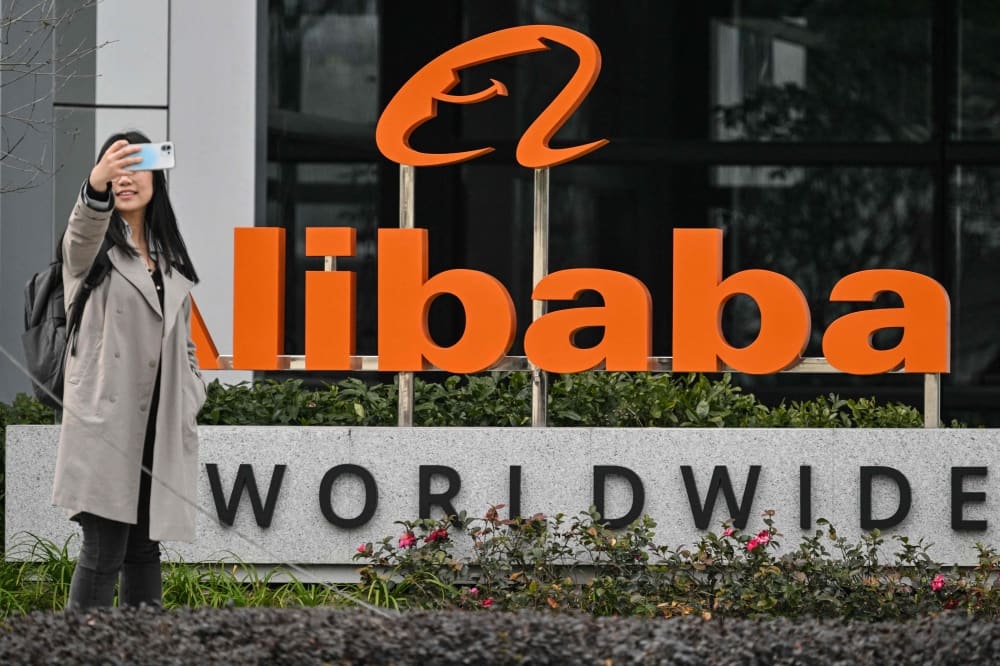
Alibaba Group unveiled plans to raise HK$80 billion (US$10.3 billion) through a new share placement in Hong Kong, earmarking the entire proceeds for artificial intelligence infrastructure and capabilities. The Hangzhou-based technology conglomerate disclosed the equity placement in a statement, signaling its determination to compete in the global AI arms race that has reshaped technology investment priorities across Asia and beyond.
The company stated the capital will support its "full stack AI capabilities," including expanded infrastructure to power its machine learning operations. For Alibaba's shareholders, the move represents a concrete deployment strategy for AI spending that has already reached tens of billions of dollars over recent quarters.
Revenue Growth Meets AI Ambition
The fundraising follows Alibaba's latest quarterly results, which showed revenue of 269 billion yuan (US$37 billion), marking a nine percent increase from the same period last year. That performance exceeded market expectations and reflected surging demand for the company's cloud computing services, driven largely by enterprises adopting AI tools and models.
Alibaba has positioned its open-source Qwen family of large language models as a cornerstone of its AI strategy. Qwen has attracted a global developer community, particularly in markets where alternatives to Western AI platforms are sought. The models compete directly with offerings from OpenAI, Anthropic, and Google in certain use cases, though Alibaba benefits from deep integration with its existing cloud and e-commerce ecosystems.
The revenue bump comes as Chinese technology firms navigate a complex landscape of domestic regulatory oversight, slowing consumer spending at home, and intensifying competition from rivals including Tencent, ByteDance, and Baidu in the AI domain. Alibaba's cloud division has been a bright spot, with AI workloads contributing meaningfully to growth after years of heavy investment in data center capacity.
Infrastructure at Scale
The HK$80 billion will flow into physical and software infrastructure required to train, deploy, and serve AI models at scale. This includes additional GPU clusters, networking hardware, and data center facilities across Asia. Alibaba operates cloud regions in Singapore, Indonesia, Malaysia, Japan, and other markets, and the capital injection will likely support geographic expansion alongside capacity upgrades in existing sites.
Building and operating AI infrastructure at the scale Alibaba envisions requires not only hardware but also energy supply agreements, cooling systems, and specialized engineering talent. The company has previously partnered with chip designers including NVIDIA and domestic semiconductor firms to secure access to advanced processors, a critical bottleneck in the current AI cycle.
The placement also reflects broader capital allocation trends among Chinese tech giants. After years of regulatory crackdowns that constrained expansion into new sectors, Beijing has signaled support for AI and semiconductor development as strategic priorities. Alibaba's decision to raise fresh equity rather than rely solely on cash flow suggests management views the current window as pivotal for establishing leadership before the market matures.
What Comes Next
Investors will watch how quickly Alibaba can translate infrastructure spending into revenue growth, particularly through its cloud services and AI-enabled products for enterprise clients. The company faces pressure to demonstrate return on investment as AI hype cycles in and out of favor across global markets.
The Hong Kong placement will dilute existing shareholders modestly, but the move provides Alibaba with a war chest to compete against well-funded rivals in both China and international markets. How the firm balances infrastructure expansion with profitability in its AI division will shape its narrative over the next twelve to eighteen months.
Alibaba's bet is clear: AI infrastructure is the foundation for the next generation of cloud services, e-commerce optimization, logistics automation, and digital advertising. Whether that bet pays off depends on execution, market adoption, and the pace at which AI workloads convert into sustainable revenue streams.
RELATED STORIES
Alibaba Targets $10 Billion Equity Raise to Expand AI Infrastructure
Cheng Wei-Lun · 3 min

China's Tax Enforcement Push Tests Offshore Trust Structures
Cheng Wei-Lun · 3 min
Hang Seng Index Expands to 95 Stocks with Chipmaker Addition
Cheng Wei-Lun · 3 min
Beijing's Tax Sweep Puts $1.2 Trillion in Offshore Wealth Under Pressure
Cheng Wei-Lun · 4 min
Spot something wrong? Email editor@briefasia.com. We log every correction publicly.