Finance · Banking
OCBC Posts Record Quarterly Profit as Fee Income Offsets Margin Squeeze
Singapore's second-largest lender raises 2026 loan growth forecast after April-June earnings beat analyst expectations by 15 percent
KEY TAKEAWAYS
- ·OCBC reported second-quarter net profit of S$2.22 billion, a 22 percent year-on-year increase that beat the S$1.93 billion analyst consensus by 15 percent.
- ·The bank raised its 2026 loan growth forecast to high-single-digit or low-double-digit from mid-single-digit, despite net interest margin falling to 1.70 percent from 1.92 percent a year earlier.
- ·Strong wealth management and trading fee income offset margin pressure, with OCBC declaring a 47 Singapore cent interim dividend and confirming its S$2.5 billion capital return plan remains on track.
Strong Fee Performance Drives Earnings Beat
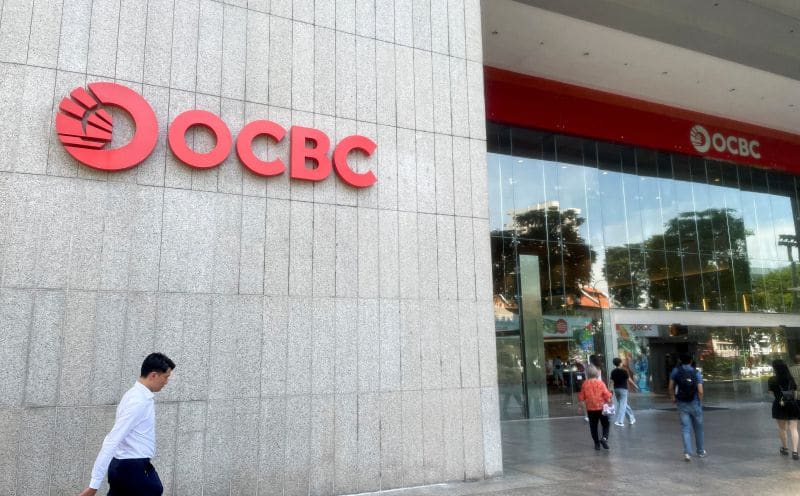
Oversea-Chinese Banking Corp reported net profit of S$2.22 billion for the April to June period, according to the bank's Friday announcement. The figure marks a 22 percent increase from the prior-year quarter and represents the highest quarterly profit in the institution's history.
The result exceeded the average analyst estimate of S$1.93 billion, according to LSEG data. Three analysts surveyed had anticipated lower earnings, making the 15 percent beat particularly notable for Singapore's second-largest lender by assets.
Fee income from wealth management, transaction banking, and trading activity compensated for pressure on the bank's core lending business. The diversified revenue mix reflects a strategic shift across Singapore's banking sector as institutions adapt to a changing interest rate environment.
Margin Compression Continues
OCBC's net interest margin contracted to 1.70 percent in the second quarter, down from 1.92 percent in the same period of 2025. The 22 basis point decline underscores the challenge facing regional lenders as central bank policy shifts reduce the profitability of traditional loan portfolios.
The margin metric measures the difference between what banks earn on loans and pay on deposits. Its trajectory has become a focal point for investors assessing how Asian financial institutions navigate monetary easing cycles while maintaining profitability.
Despite the margin squeeze, CEO Tan Teck Long said total income is expected to grow in 2026 even as net interest income experiences a slight decline. The bank now forecasts high-single-digit to low-double-digit loan growth for the year, up from its previous mid-single-digit estimate.
Capital Return Plan on Track
OCBC maintained its 50 percent ordinary dividend payout ratio and confirmed it remains on course to complete a S$2.5 billion capital return program by year-end 2026. The bank declared an interim dividend of 47 Singapore cents per share, a 15 percent increase from the 41 cents paid in the prior-year period.
Return on equity climbed to 14.4 percent in the second quarter from 12.3 percent a year earlier, reflecting improved capital efficiency. The bank expects its cost-to-income ratio to remain in the low 40 percent range, while credit costs are projected at 20 to 25 basis points.
Strong capital, funding, and liquidity positions will support growth while providing a buffer against external shocks, according to Tan. He cited uncertainty stemming from the evolving Middle East conflict and energy market volatility, alongside what he described as divergent economic trajectories across major economies.
Regional Wealth Management Boom
The earnings report arrives as Singapore-based lenders benefit from sustained inflows into the city-state's wealth management sector. Geopolitical uncertainty and robust regional equity markets have driven affluent clients across Asia to park assets in established financial hubs.
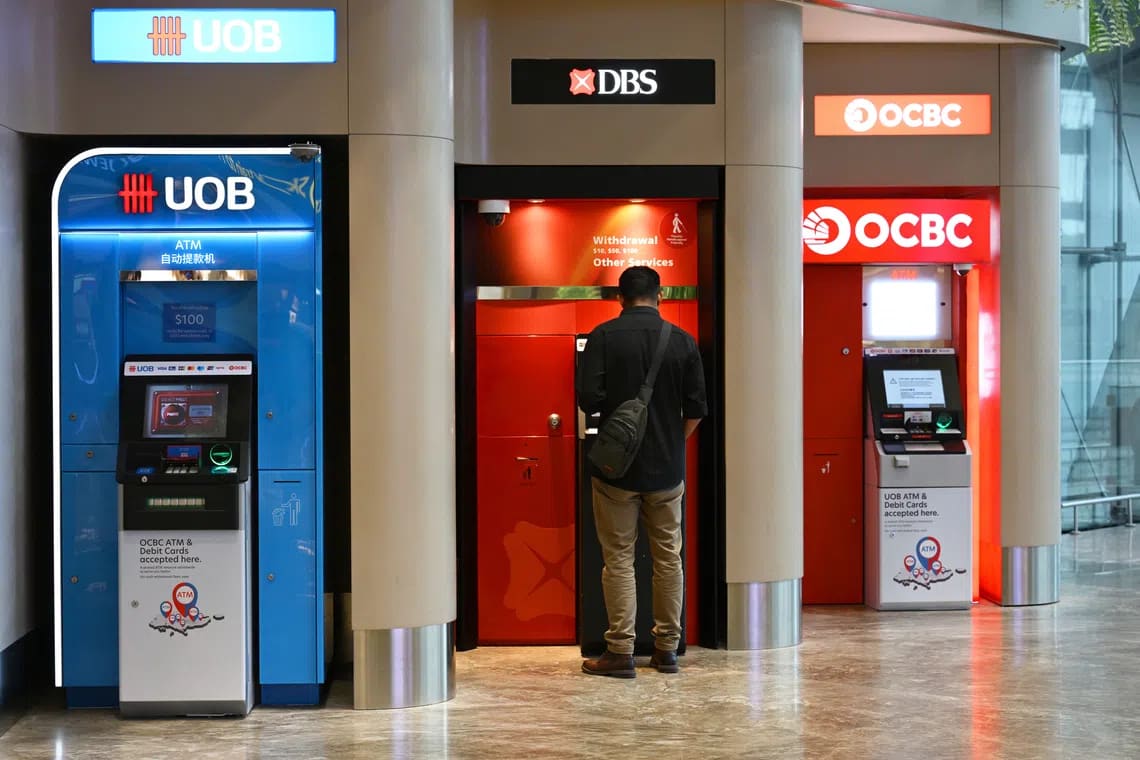
OCBC's performance mirrors results from local peers. UOB reported a 10 percent rise in second-quarter net profit on the same day, supported by record wealth fees. DBS Group posted a 9 percent profit increase the day prior, also reaching a quarterly record and exceeding analyst expectations.
Asia-focused international banks HSBC and Standard Chartered have similarly reported strong wealth management fee growth, underscoring the sector-wide trend. Singapore's position as a regional wealth hub continues to deepen as clients seek regulatory stability and access to diverse investment products.
Outlook and Guidance
OCBC's updated loan growth forecast signals management confidence in the bank's ability to expand its lending book despite macroeconomic headwinds. The high-single-digit to low-double-digit range suggests the institution sees opportunities in both corporate and consumer segments across its geographic footprint.
The projection also reflects expectations that Southeast Asian economies will maintain growth momentum through the remainder of 2026, even as developed markets face slower expansion. OCBC operates across the region, with significant exposure to trade finance and infrastructure lending.
Credit quality remains a management priority. The bank's guidance for credit costs at 20 to 25 basis points indicates expectations for stable asset quality, with provisions remaining within historical norms. This outlook assumes no major deterioration in borrower health across key sectors or geographies.
The combination of rising fee income, controlled costs, and manageable credit losses positions OCBC to sustain profitability growth even as traditional lending margins face ongoing pressure from the interest rate environment.
RELATED STORIES
Singapore Banks Split as DBS and OCBC Hit Record Highs While UOB Lags
Priyanka V. Rao · 3 min
Singapore's Big Three Banks Post Solid First-Half Gains as Wealth Offsets Margin Pressure
Priyanka V. Rao · 3 min
OCBC Lifts Dividend as Wealth Management Drives 22% Profit Jump
Priyanka V. Rao · 2 min
Singapore Banks Ride Wealth Boom as Lending Margins Compress
Priyanka V. Rao · 3 min
Spot something wrong? Email editor@briefasia.com. We log every correction publicly.