Technology · Policy
Musk Dismisses Tesla China Exit Plan as Supply Chain Debate Intensifies
The denial comes as tech firms across Asia weigh manufacturing footprints amid geopolitical uncertainty
KEY TAKEAWAYS
- ·Elon Musk denied reports that Tesla developed contingency plans to separate its China operations, which include the Shanghai Gigafactory producing hundreds of thousands of vehicles annually.
- ·The episode highlights ongoing supply chain recalibration across Asia's technology sector, with firms exploring manufacturing diversification in Southeast Asia and India.
- ·Tesla faces operational complexity in any China reconfiguration given billions invested in Shanghai facilities and an extensive local supplier network for critical components.
Musk's Public Rebuttal
Elon Musk has publicly dismissed reports claiming Tesla prepared internal contingency plans for a potential separation of its China operations. The CEO's denial came in response to coverage suggesting the electric vehicle maker had developed strategies to address scenarios involving its manufacturing base in Shanghai.
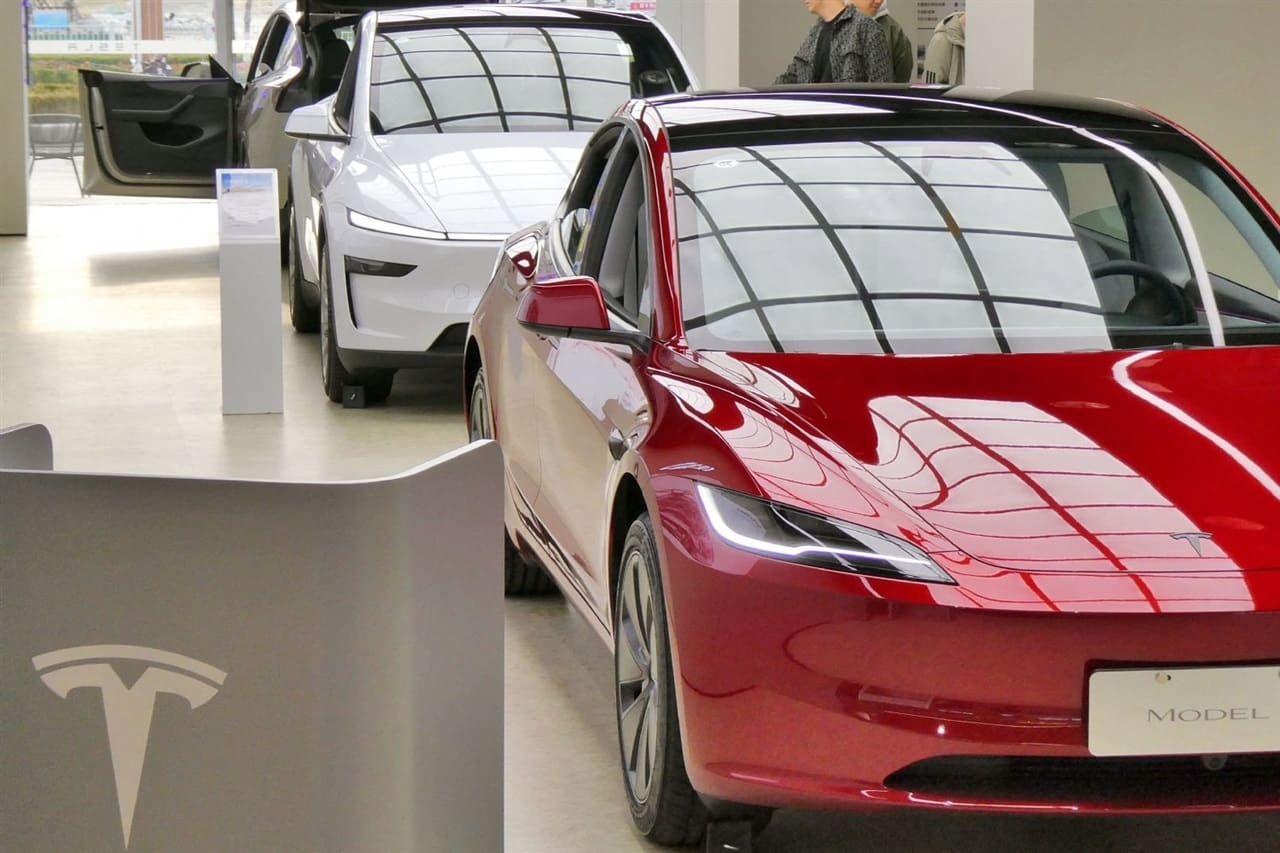
Tesla operates one of its largest production facilities in China, where it manufactures vehicles for both domestic sale and export to markets across Asia and Europe. The Shanghai Gigafactory has served as a cornerstone of the company's global manufacturing network since production began in late 2019, delivering hundreds of thousands of vehicles annually.
Wider Industry Context
The discussion arrives as technology manufacturers throughout Asia reassess their supply chain configurations. Companies with significant exposure to cross-border manufacturing networks have faced mounting pressure to diversify production locations, driven by evolving trade frameworks and policy shifts across major economies.
Several multinational firms have announced adjustments to their manufacturing footprints over the past eighteen months. Electronics producers, semiconductor companies, and automotive manufacturers have explored alternative production sites in Southeast Asia, India, and other regions to complement existing facilities.
China's Role in Tesla's Global Network
Tesla's China operations extend beyond vehicle assembly. The Shanghai facility produces battery packs, electric drive units, and other critical components that flow into the company's global supply chain. The plant achieved a production milestone of over 1 million vehicles in cumulative output during 2023, according to company disclosures.
China also represents one of Tesla's largest customer markets. Domestic sales in the country have fluctuated quarter to quarter, influenced by competition from local electric vehicle makers including BYD, NIO, and XPeng. Price adjustments and incentive programs have marked Tesla's approach to maintaining market share in the region.
Regional Manufacturing Trends
The broader conversation about supply chain localization has accelerated across Asia. Governments in Vietnam, Thailand, Indonesia, and India have introduced incentive packages aimed at attracting foreign manufacturing investment. These programs typically offer tax benefits, infrastructure support, and streamlined regulatory processes for companies willing to establish or expand production capacity.
Japan and South Korea have simultaneously launched domestic initiatives encouraging their own multinational corporations to reshore certain high-value manufacturing activities. Taiwan's semiconductor industry has faced similar discussions, with foundries evaluating capacity expansion both on the island and in partner markets.
Tesla's Strategic Considerations
For Tesla, any significant reconfiguration of its China manufacturing setup would involve substantial capital expenditure and operational complexity. The company has invested billions of dollars in the Shanghai facility and developed an extensive network of local suppliers for components ranging from battery cells to interior trim.
Export logistics from Shanghai provide Tesla with efficient access to markets throughout the Asia-Pacific region. Vehicles produced in China reach customers in Australia, New Zealand, Japan, and Southeast Asian nations, often with shorter lead times and lower shipping costs than alternatives manufactured in the United States or Europe.
Forward Implications
Industry observers note that even discussions of contingency planning reflect the heightened uncertainty facing multinational manufacturers. Companies with operations spanning multiple jurisdictions must now account for a wider range of regulatory, trade, and geopolitical scenarios in their strategic planning processes.
Tesla's situation illustrates the challenge faced by firms that have achieved deep integration with China's manufacturing ecosystem. The country offers scale, supplier density, and infrastructure advantages that remain difficult to replicate elsewhere, even as companies explore risk mitigation strategies.
The coming quarters will likely bring further clarity on how technology and automotive firms balance efficiency gains from concentrated manufacturing against the resilience benefits of geographic diversification. For now, Tesla's public stance suggests continuity in its China operations, while the broader industry continues to evaluate its options.
RELATED STORIES
China's Battery Dominance Faces Quality Test as CALB Defect Spreads
Anand Sundaram · 3 min

Li Auto Expands Battery Roster with CALB as Third Supplier
Siti Nuraini · 2 min
China's Auto Chip Race Shifts to Volume as Horizon Robotics Crosses 15 Million Units
Jun-ho Seo · 3 min
BYD Sets Sights on 2 Million Overseas Sales in 2026 After Brazil, Europe Surge
Cheng Wei-Lun · 3 min
Spot something wrong? Email editor@briefasia.com. We log every correction publicly.