Sustainability · Mobility
Mumbai's Electric Bus Push Leaves Drivers in Precarious Contracts
India's shift to wet-lease operators for its iconic red fleet has cut costs but slashed wages, eroded job security, and raised safety concerns among workers and advocacy groups.
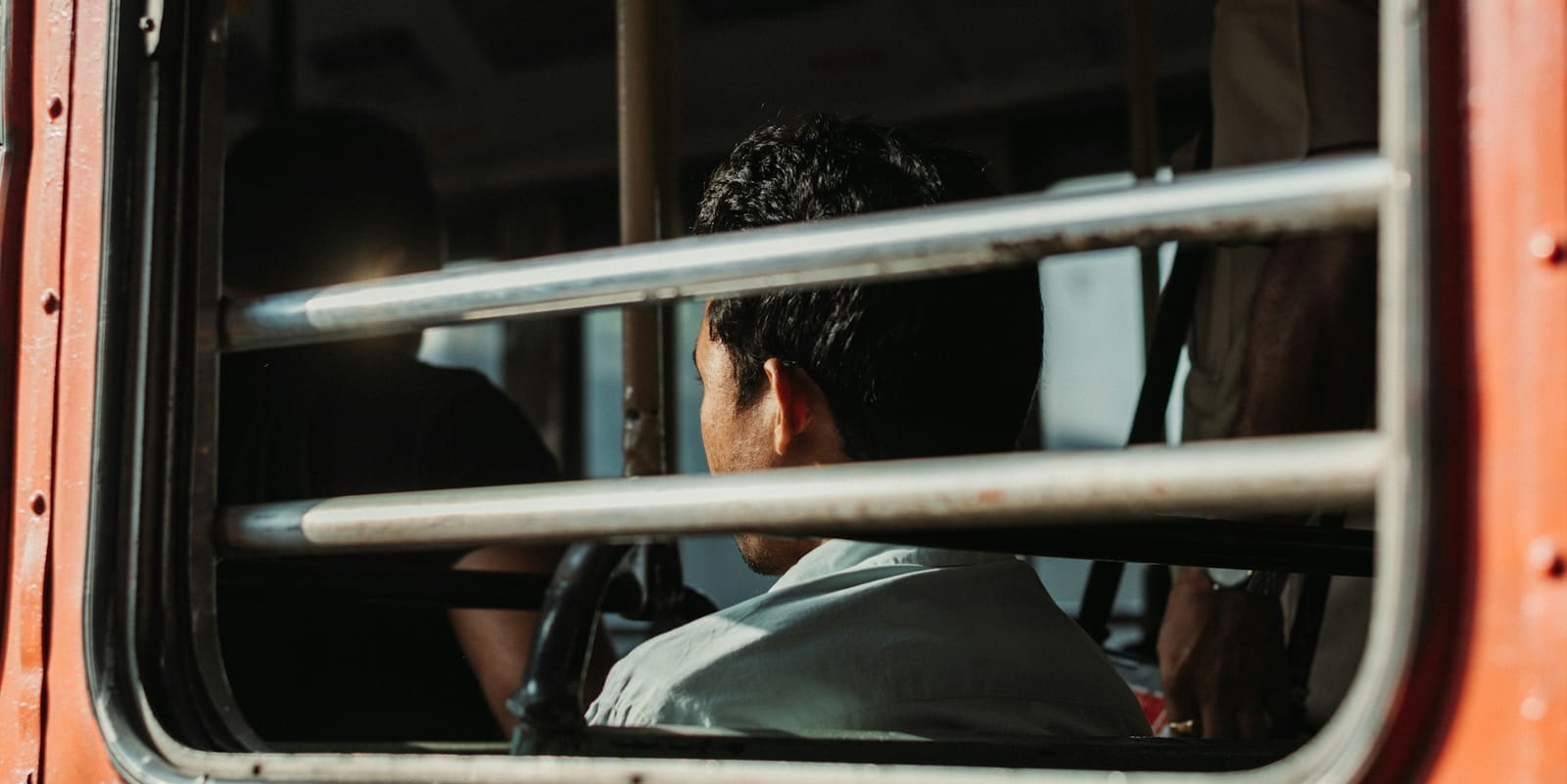
KEY TAKEAWAYS
- ·Nearly half of Mumbai's 2,743 BEST buses were electric by December 2025, with full electrification targeted for 2027 under a wet-lease model that shifts procurement and maintenance to private contractors.
- ·Contracted drivers earn roughly 19,300 rupees per month compared to 39,000 rupees for permanent staff, work up to 15-hour shifts without overtime, and lack job security or medical benefits.
- ·A series of accidents in 2026, including one fatality, has raised concerns about inadequate driver training, poor vehicle maintenance by contractors, and the absence of accountability mechanisms.
A Century-Old Fleet Goes Electric
Mumbai's red public buses have been a fixture of the city for a hundred years, transporting more than 5.5 million passengers daily across India's financial capital. Managed by Brihanmumbai Electric Supply and Transport, the fleet now stands at 2,743 vehicles, second only to the city's railway network in ridership. By December 2025, nearly half had switched from diesel and compressed natural gas to battery power, part of an ambitious target to reach full electrification by 2027.
The transition aligns with Mumbai's climate commitments to cut greenhouse gas emissions 30 percent by 2030 and 44 percent by 2040, with transport accounting for one-fifth of the city's total emissions in 2019. But the speed and scale of the rollout have come at a cost borne largely by the people behind the wheel.
The Wet-Lease Model and Its Trade-Offs
Electric buses carry a price premium of 30 to 70 percent over comparable diesel vehicles, according to the International Energy Agency, and municipal operators have struggled to absorb the capital outlay. To shift that burden, BEST turned to a wet-lease arrangement in which private contractors procure the buses, handle maintenance, and manage operations. BEST pays a per-kilometer fee under what is known as a gross cost contract.
The model converts a large upfront purchase into operating expenses spread over a decade or more, transferring asset, technology, and maintenance risk to third parties. Policies introduced in 2022 and 2023, including the National Electric Bus Programme and PM e-Bus Sewa, have encouraged this public-private structure across India.
But the arrangement has also replaced permanent BEST employees with short-term contract workers. Shashank Rao, general secretary of the BEST Workers' Union, said the agency has not hired a permanent driver since 2015. That shift has pushed drivers into what one mobility researcher describes as an informal gig-worker category, with fewer protections and less bargaining power.
Wages, Hours, and Access
One contracted driver, who requested anonymity and is referred to here as Suresh Gaikwad, has been operating an electric BEST bus since 2019. He earns 19,300 rupees per month, roughly $202, a figure that has risen 13.5 percent over seven years. He works one day off per week and receives no other benefits. On some days his shifts stretch to 12 or 15 hours, with no overtime pay. Traffic fines are deducted directly from his salary, and emergency leave results in further cuts, leaving him with as little as 12,000 to 13,000 rupees in hand.
By comparison, a newly hired permanent BEST driver would have earned a minimum of around 39,000 rupees per month, plus annual leave, sick leave, and employee benefits, according to Rao. Salaries also vary among contractors, creating inconsistency across the same workforce.
Contracted workers report being denied access to depot washrooms and medical benefits available to permanent staff. Gaikwad raised particular concern for women conductors who change into uniforms at work. Drivers say the fear of termination discourages them from voicing complaints, and high turnover has created persistent staff shortages that affect service reliability.
On 18 August, members of the BEST Workers' Union began an indefinite hunger strike over demands for permanent jobs, wage parity, and better conditions for wet-lease workers. The protest ended four days later after BEST agreed to discuss the issues at its next committee meeting.
Training Gaps and Maintenance Concerns
Training for contracted drivers typically lasts two days of recruitment tests and five days of workshops on road safety and traffic law, followed by a few practice rounds inside the depot. Permanent BEST drivers, by contrast, underwent training lasting three to six months. Rao noted that contractors, perpetually short-staffed, cannot afford to be selective.
Driving in Mumbai requires anticipating motorbikes and pedestrians emerging without warning, rapid braking, and quick acceleration to recover time lost in congestion. Gaikwad said the electric buses are poorly maintained, resulting in brake failures and other mechanical issues. In the event of an accident, wet-lease drivers receive no support from either BEST or the contractor.
A series of crashes has heightened scrutiny. In June 2026, a BEST electric bus collided with multiple vehicles, killing one person and injuring six. The driver cited a technical fault. This month, another wet-lease bus injured three people, with driver error reported as the cause.
Rupesh Shelatkar, founder of citizen advocacy group Aapli BEST Aaplyachsathi, said contractors appear focused on maximizing returns rather than preventive maintenance, leading to declining fleet reliability and safety concerns for the traveling public.
Under the gross cost contract model, private operators are legally responsible for hiring trained drivers, insuring the fleet, and conducting routine maintenance. But state-owned operators like BEST must ensure contractors deliver on those obligations and hold them accountable, according to Anumita Roychowdhury, executive director of the Centre for Science and Environment.
What Comes Next
India registered 3,730 electric buses in 2024, 4,441 in 2025, and 2,944 in the first half of 2026 alone. The market is expanding, and the contractual model is spreading to other cities, including Bengaluru and Chennai, where labor unions have raised similar concerns.
Roychowdhury called for safeguards built into the electric bus transition, including enforceable labor standards, social security provisions, grievance mechanisms, upskilling programs, and independent compliance monitoring. She stressed the need to review and reform the contractual model to ensure wage parity, labor rights, and occupational safety across the bus sector.
Mumbai's push to decarbonize its iconic fleet has delivered measurable progress toward climate targets. Whether that progress can be sustained without undermining the livelihoods and safety of the people who operate the system remains an open question.
RELATED STORIES
Human Development Patterns Drive Assam's Deadly 2026 Floods
Priyanka V. Rao · 3 min
South Asia Loses 31 Million Full-Time Jobs Annually to Extreme Heat
Priyanka V. Rao · 3 min
Oil Stockpiles Fall as Hormuz Disruption Stalls Middle East Shipments
Cheng Wei-Lun · 3 min
India's Young Farmers Adopt Drones and Digital Tools to Navigate Climate Pressures
Priyanka V. Rao · 5 min
Spot something wrong? Email editor@briefasia.com. We log every correction publicly.