Asia · Trade
Oil Stockpiles Fall as Hormuz Disruption Stalls Middle East Shipments
Global crude inventories decline with Japan's reserves down 18% since conflict began, pushing prices higher
KEY TAKEAWAYS
- ·Global crude oil inventories are declining again as the Strait of Hormuz closure blocks Middle Eastern shipments, with Japan's reserves down 18% since the conflict began.
- ·Uncertainty over US production capacity to quickly offset the shortfall is limiting supply response, leaving Asian importers scrambling for alternative sources at higher costs.
- ·Asian governments are exploring emergency measures including strategic reserve releases, state-backed tanker insurance, and long-term supply agreements as the impasse shows no signs of resolution.
Inventory Drawdown Accelerates
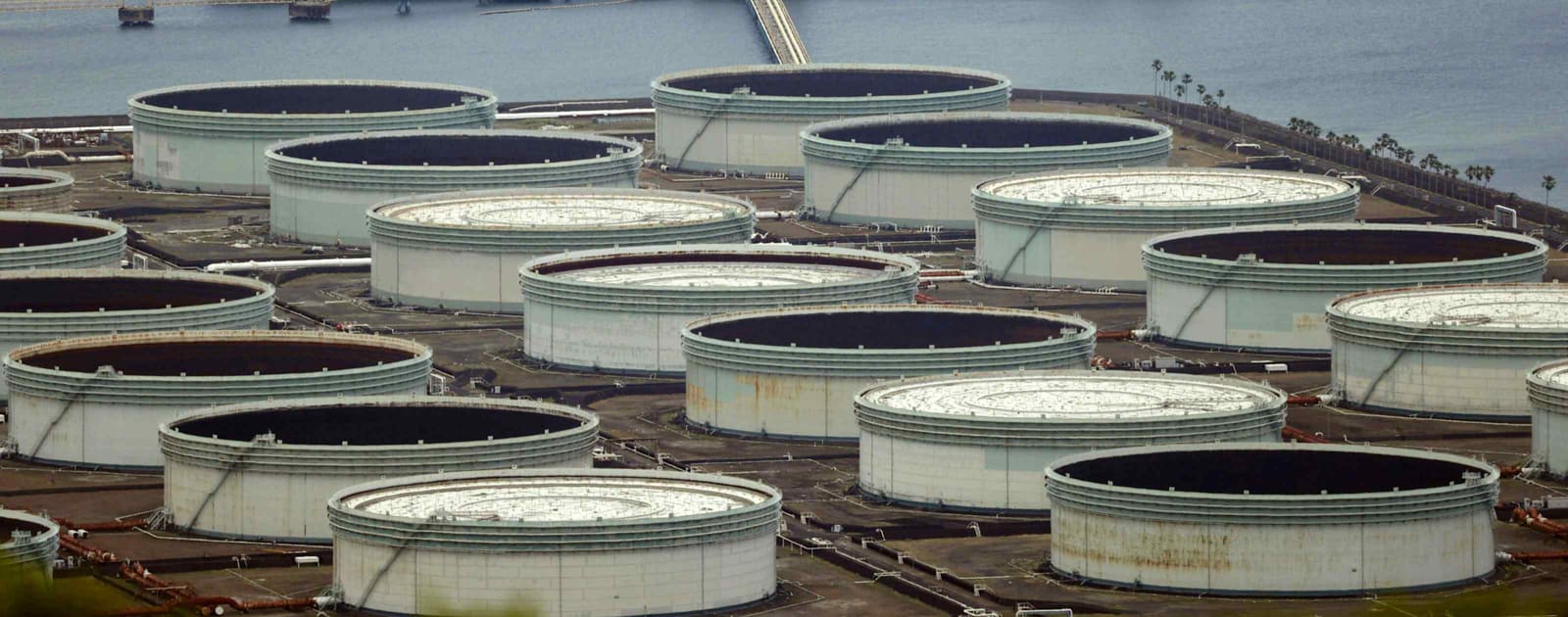
Global crude oil stockpiles have resumed their decline as the effective closure of the Strait of Hormuz continues to block Middle Eastern shipments. The supply disruption is tightening markets and pushing prices upward across Asia and beyond.
Japan's crude inventory has fallen 18% since the start of the Iran conflict, reflecting the scale of the supply shock hitting major consuming nations. The drawdown marks a reversal from earlier stabilization efforts and signals renewed pressure on energy security across the region.
The strait, which handles roughly one-fifth of global oil trade under normal conditions, remains impassable for commercial tanker traffic. The standoff has forced Asian buyers to scramble for alternative supplies from the Atlantic Basin, West Africa, and the Americas at significantly higher freight costs.
US Production Response in Question
Uncertainty surrounds the United States' ability to ramp up production quickly enough to offset the shortfall. Market volatility and infrastructure constraints are limiting the speed at which American producers can respond to price signals.
Traditionally, US shale operators have acted as the swing producer in global markets, adjusting output within months when prices rise. But the current environment presents new challenges. Equipment availability, labor shortages, and hesitation among investors concerned about price sustainability are all slowing the response.
The situation leaves Asian importers with limited options. China, Japan, South Korea, and India together account for more than half of global crude imports, and all four have seen their strategic reserves decline since the conflict began.
Regional Supply Chains Under Strain
The inventory decline is rippling through refining and petrochemical sectors across Asia. Refiners in Japan and South Korea have cut run rates, reducing output of gasoline, diesel, and jet fuel. Some plants have switched to lighter crude grades from non-Middle Eastern sources, requiring operational adjustments that reduce efficiency.
India, which had built up substantial reserves before the conflict, is now drawing them down faster than anticipated. The country's refiners have increased purchases from Russia and central Asia, but logistical bottlenecks and higher premiums are squeezing margins.
Southeast Asian nations face particular challenges. Smaller importers like Thailand, the Philippines, and Vietnam lack the strategic reserve capacity of their larger neighbors and are more exposed to price spikes. Several governments are exploring emergency sharing agreements and coordinated reserve releases to manage the crisis.
Price Pressure Builds
Benchmark crude prices have climbed steadily as inventories tighten. Brent futures have added more than 15% since the start of the Hormuz closure, with Asian spot premiums widening further. The price structure has shifted into backwardation, with near-term contracts trading above longer-dated ones, a signal that traders expect continued tightness.
The pricing environment is complicating inflation management across Asia. Central banks that had begun easing monetary policy are now reassessing their outlooks as energy costs feed through to broader price indices. Japan's Ministry of Economy, Trade and Industry has indicated it may tap national reserves if the situation deteriorates further.
What Comes Next
The trajectory of global oil inventories will depend heavily on how long the Hormuz impasse persists and whether alternative supply routes can be scaled up quickly. Efforts to establish overland pipeline export capacity from the Gulf are advancing, but major infrastructure projects require months or years to complete.
In the near term, Asian governments are weighing a range of measures. Japan is considering state-backed reinsurance for tankers willing to navigate higher-risk routes. South Korea is accelerating talks with the US and Canada to secure long-term supply agreements. China has remained relatively quiet but is understood to be drawing on its substantial strategic reserves while negotiating expanded pipeline imports from Russia and Kazakhstan.
The current drawdown underscores the vulnerability of Asia's oil-dependent economies to Middle Eastern supply shocks. With the Hormuz situation showing no sign of resolution, the region faces the prospect of sustained inventory declines and elevated prices well into next year.
RELATED STORIES

Kubota Expands Indian Production to Target Western Markets
Priyanka V. Rao · 3 min

Tokyo Holds Fire After Putin's Island Visit Amid US Policy Uncertainty
Cheng Wei-Lun · 3 min
Japan's Finance Ministry Pushes to Fold Supplementary Spending Into Main Budget
Aiko Nakamura · 2 min

Japan's Factory Orders Jump to Eight-Year High on Chip and AI Demand
Aiko Nakamura · 3 min
Spot something wrong? Email editor@briefasia.com. We log every correction publicly.